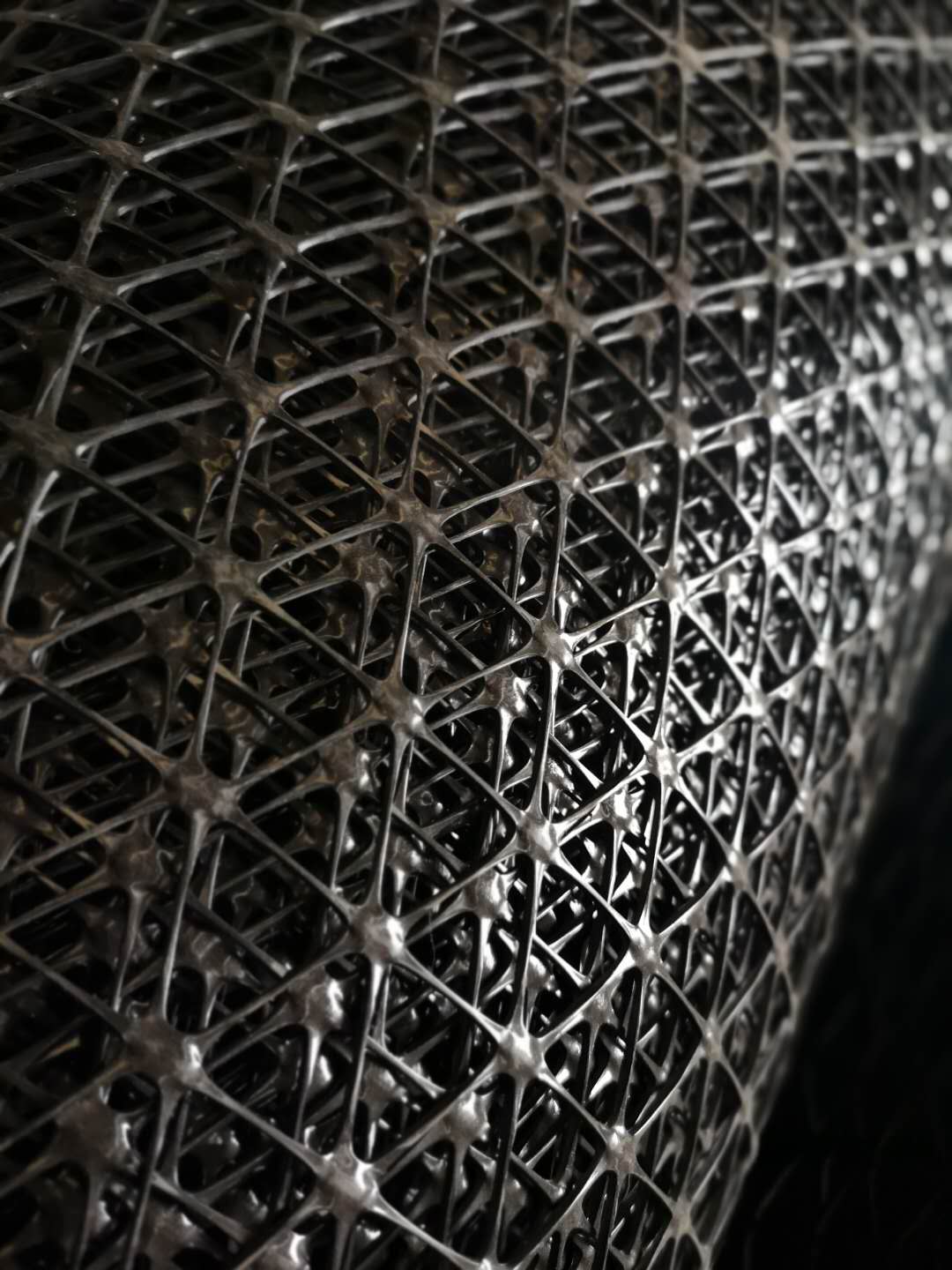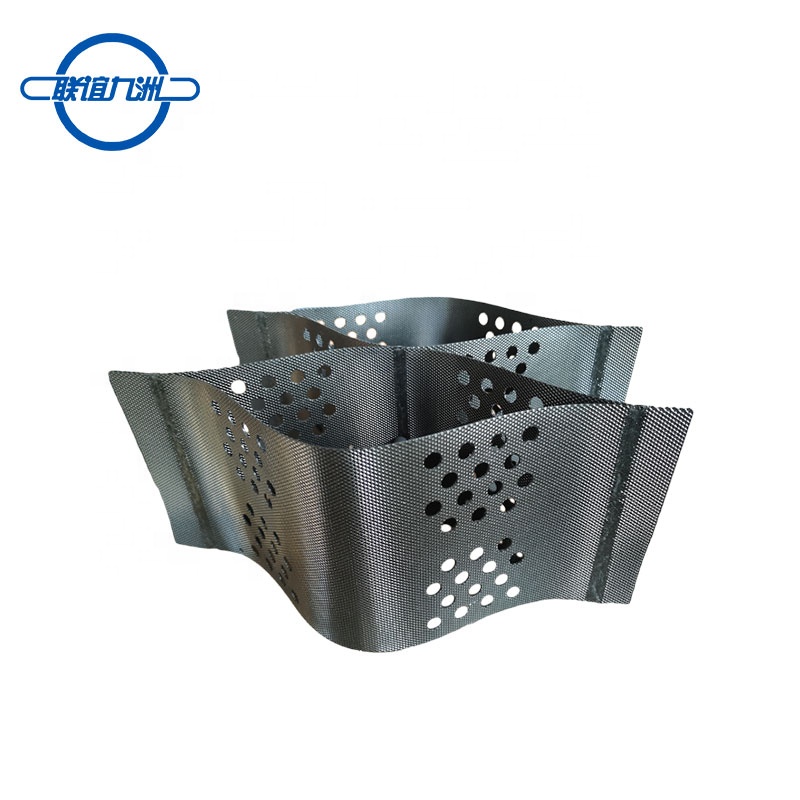
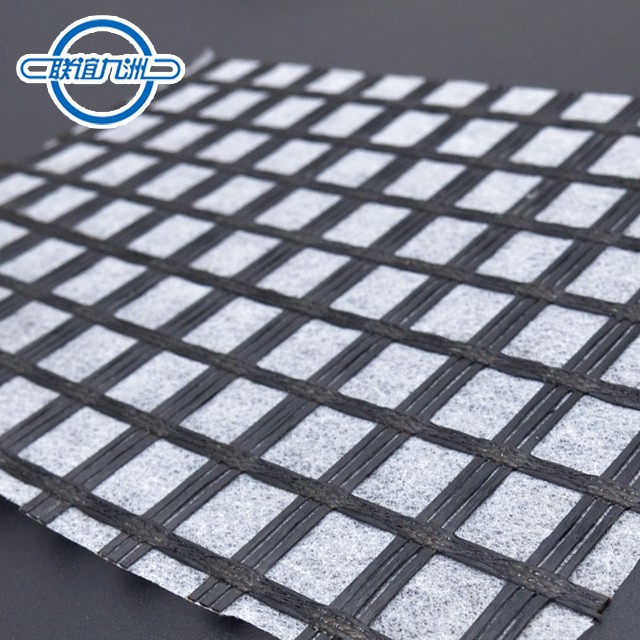


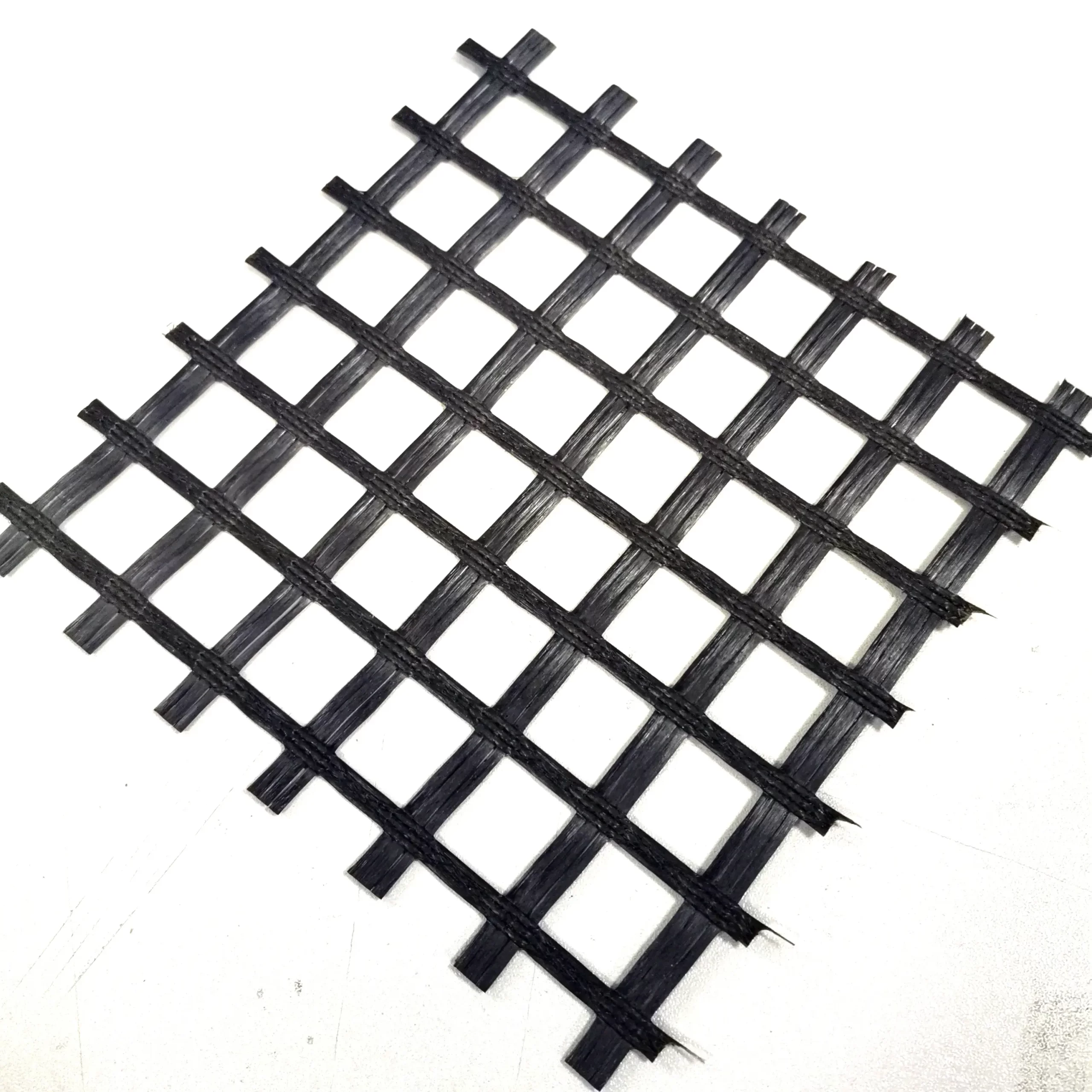
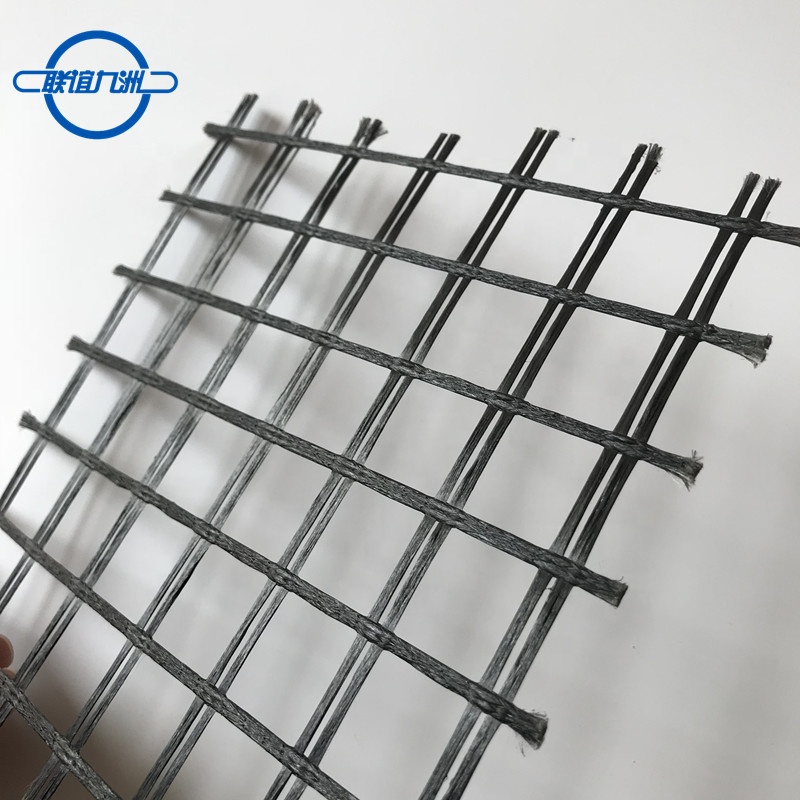
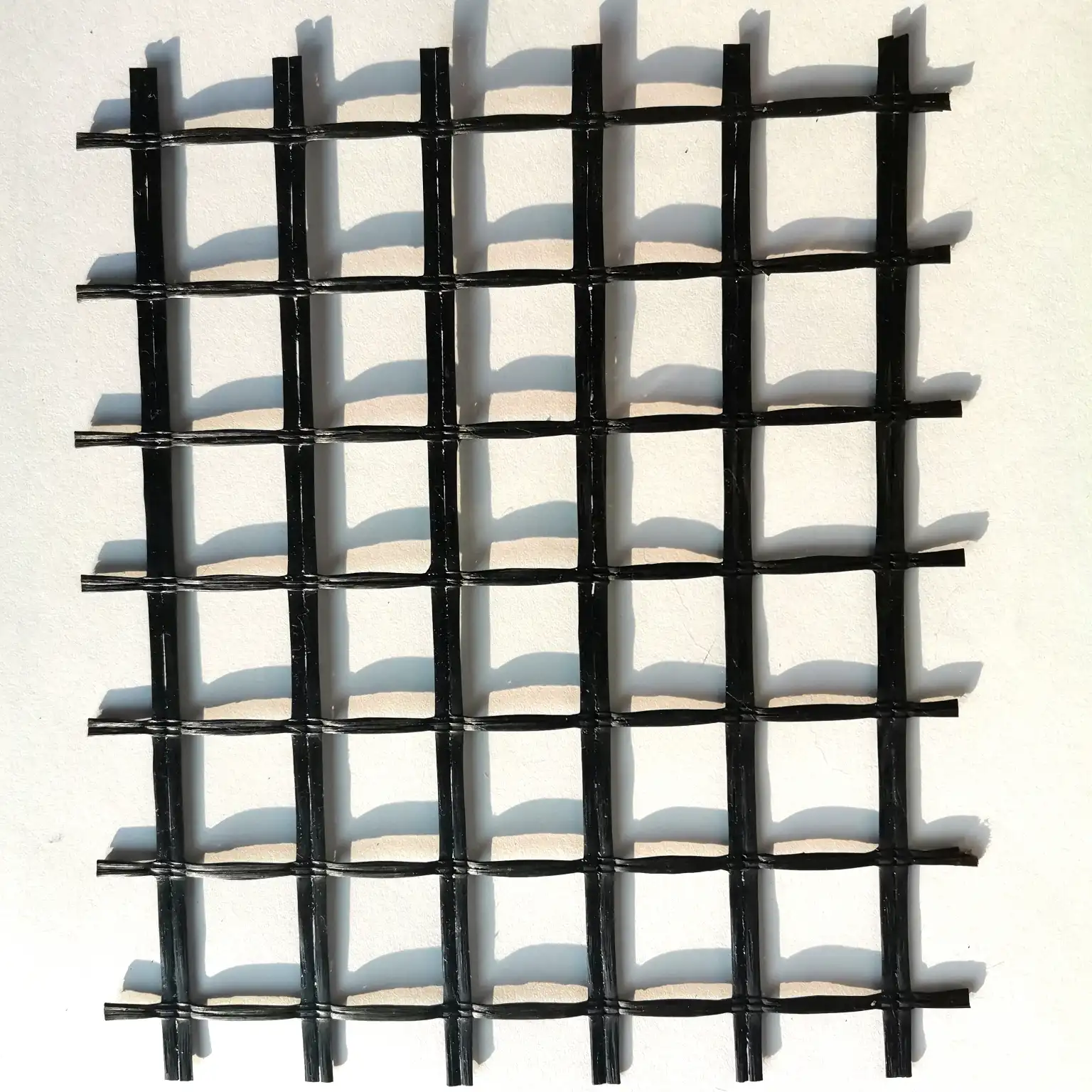


STEEL PLASTIC COMPOSITE GEOGRID
Lianyi steel plastic composite geogrids are engineered materials used in various civil engineering and geotechnical applications for soil reinforcement. These geogrids combine the high tensile strength of steel with the durability and flexibility of plastic to provide robust reinforcement solutions. Here’s an overview of the manufacturing process, quality control measures, and applications of Lianyi steel plastic composite geogrids:
Product Features
1.High tensile strength and small distortion.
2.Low creep deformation because of high carbon steel wires;
3.Anti-corrosive, the life is long, the geogrid take the plastic material as a protector, auxiliary enables it by each kind of assistant to have the anti aging, the oxidation susceptibility again, but acid proof , alkali, salt and so on adverse
circumstance corrosion. Therefore, the steel modes the earthwork gril to be possible to meet each kind of permanent work 100 years above use need, and the performance is superior, the size stability is good;
4.The construction is convenient ,the cycle is quickly short. the cost is low; the steel plastic complex geo grid to lay down, joining ,the localization to be easy, to be smooth, avoids overlapping crossover, but reduced the project cycle effectively, saved the building cost of projects by 10%-50%.
Production Applications:
The products are applied widely in railway, bridge, dock, retaining wall, dam to reinforce the soft soil and to resist the road surface’s crack.
Manufacturing Process of Lianyi Steel Plastic Composite Geogrids
We imported 5 advanced ultra-sonic welding production line to optimize steel-plastic composite geogrid performances.

Working Principle
- High-Frequency Vibrations:
- Ultrasonic welding involves the application of high-frequency (20 kHz to 40 kHz) ultrasonic acoustic vibrations to the materials to be welded.
- These vibrations are delivered through a welding horn (sonotrode) to the material, generating heat due to intermolecular friction.
- Pressure Application:
- Simultaneously, pressure is applied to the materials being welded. The combination of pressure and ultrasonic vibrations causes the materials to soften and fuse together at the molecular level.
- Solid-State Bonding:
- The materials are held together under pressure for a brief period to allow the weld to solidify, creating a strong bond without the need for adhesives or additional materials.
Production Process
- Preparation of Materials:
- Steel wires are coated with a layer of polyethylene (PE) or polypropylene (PP) through an extrusion process.
- The coated steel wires are then arranged in a grid pattern with precise spacing between the longitudinal and transverse wires.
- Positioning in the Welding Machine:
- The arranged grid is positioned in the ultrasonic welding machine. The welding horn and anvil (or fixture) are aligned with the intersections where the steel wires cross.
- Welding Process:
- Ultrasonic vibrations are applied to the intersections of the steel and plastic-coated wires.
- The vibrations generate localized heat, melting the plastic coating and allowing it to flow and bond the steel wires together.
- Pressure is applied to ensure a strong and uniform weld at each intersection.
- Cooling and Solidification:
- The welded intersections are allowed to cool and solidify, forming a durable and stable composite geogrid.
- Quality Control:
- The welded geogrid undergoes inspection and testing to ensure the strength and integrity of the welds.
- Dimensional accuracy and the overall quality of the geogrid are also checked.
Benefits of Ultrasonic Welding in Geogrid Production
- Strong and Reliable Bonds:
- Ultrasonic welding creates strong and consistent bonds at the intersections of the steel and plastic-coated wires, ensuring the durability and integrity of the geogrid.
- Fast and Efficient:
- The welding process is rapid, with welds being completed in fractions of a second, increasing production efficiency and throughput.
- No Need for Additional Materials:
- The process does not require adhesives, solvents, or additional materials, reducing costs and eliminating potential sources of contamination.
- Clean and Environmentally Friendly:
- Ultrasonic welding is a clean process that does not produce fumes, sparks, or residues, making it environmentally friendly and safe for operators.
- Precise and Controlled:
- The process allows for precise control over the welding parameters, ensuring uniform and high-quality welds across the entire geogrid.
- Reduced Energy Consumption:
- Ultrasonic welding is energy-efficient, as it only heats the materials locally and does not require the entire grid to be heated.
Features of an Ultrasonic Welding Machine for quality Geogrid Production
- High-Frequency Ultrasonic Generator:
- Generates the high-frequency vibrations required for welding.
- Welding Horn (Sonotrode):
- Transmits the ultrasonic vibrations to the materials being welded.
- Anvil or Fixture:
- Provides a stable base for positioning the materials and applying pressure.
- Pressure Control System:
- Regulates the amount of pressure applied during the welding process to ensure consistent weld quality.
- Control Panel:
- Allows operators to set and adjust welding parameters such as frequency, amplitude, and welding time.
- Safety Features:
- Includes safety mechanisms to protect operators and equipment during the welding process.