


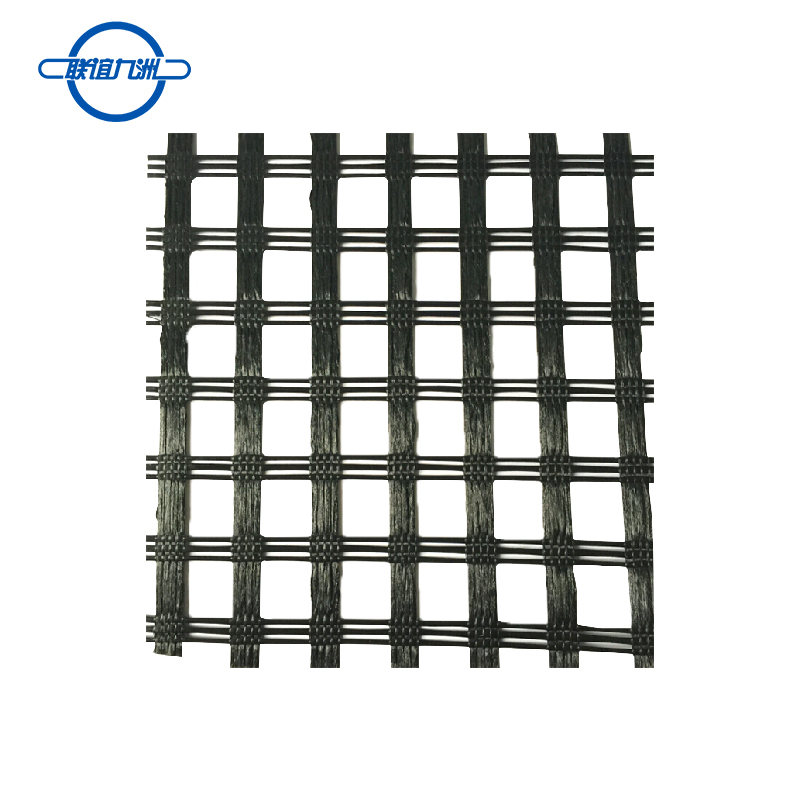
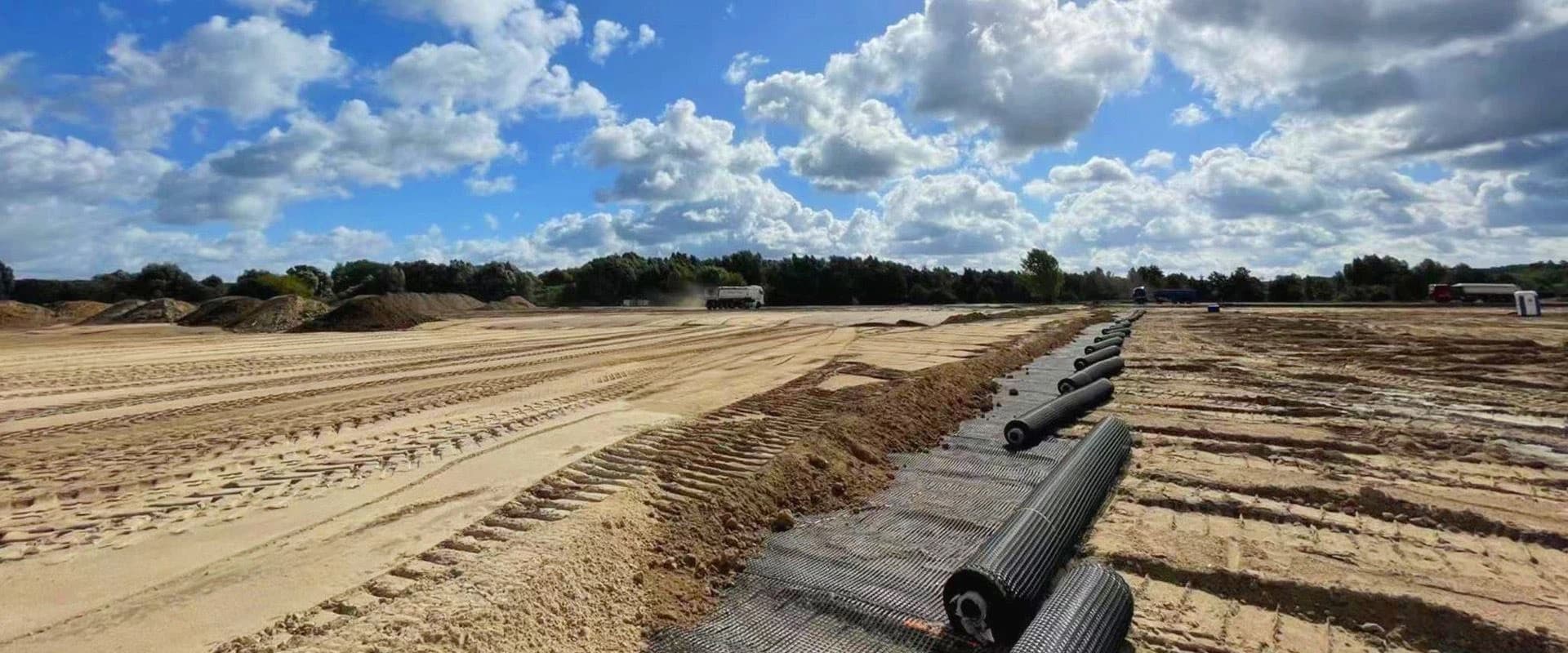
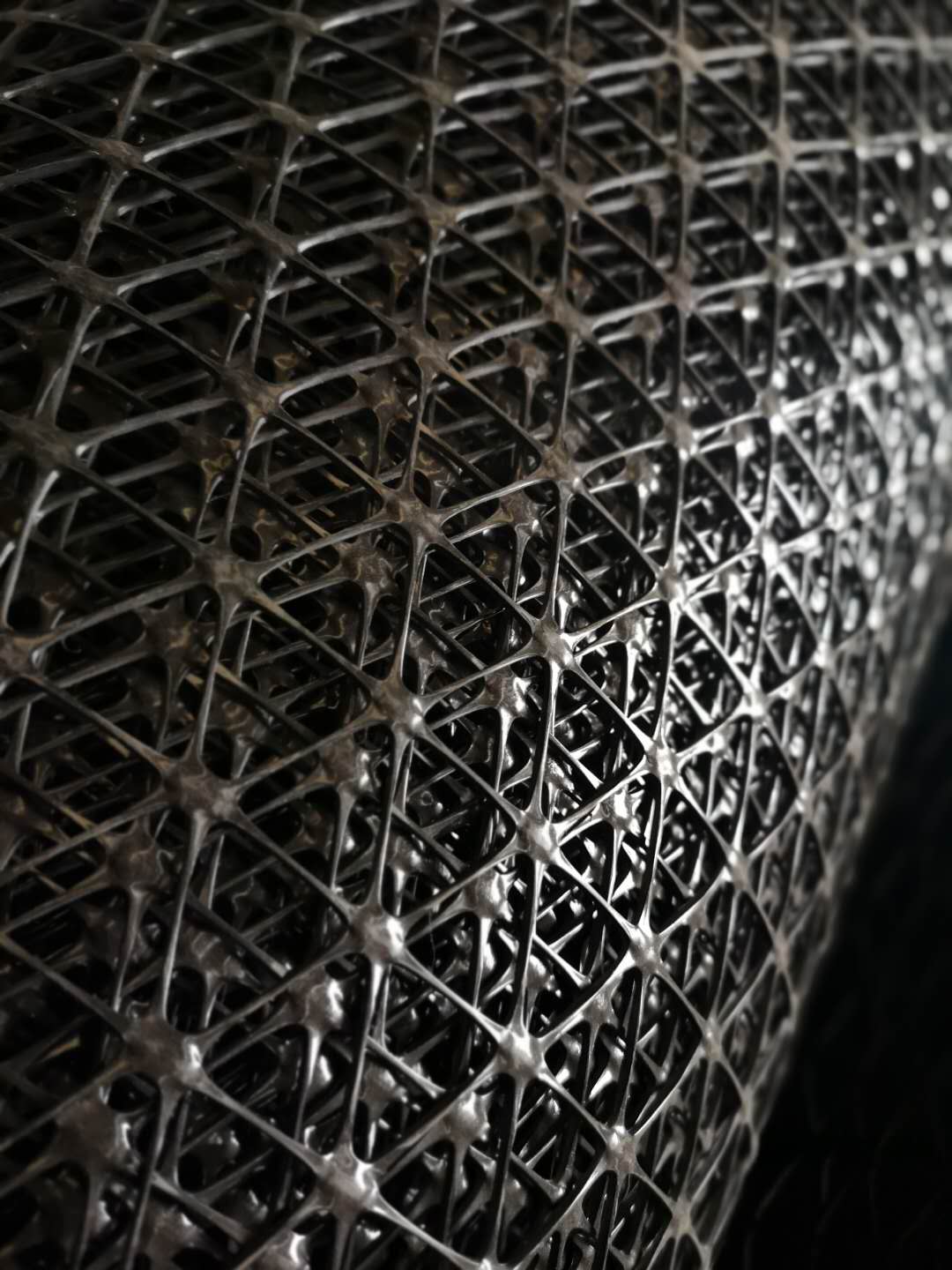


Innovative Composite Geogrid: Seamless Integration of PP Biaxial Geogrid and Nonwoven Geotextile for Enhanced Engineering Performance
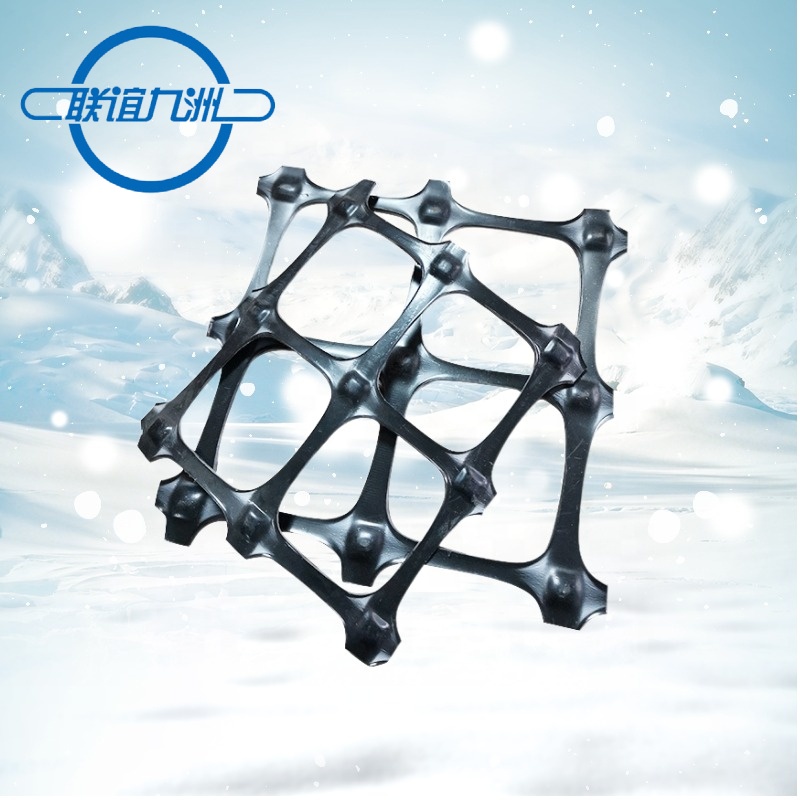
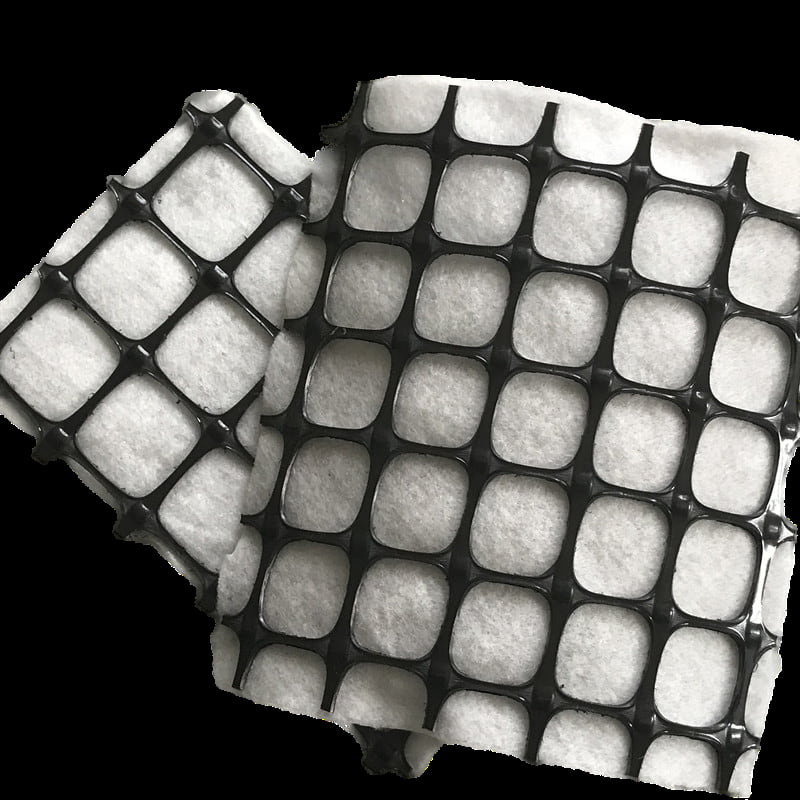
In response to the growing demand for efficient, cost-effective, and multifunctional geosynthetic solutions, we have developed a composite geogrid that combines the robust reinforcement capabilities of polypropylene (PP) biaxial geogrid with the superior separation and filtration properties of nonwoven geotextile. This hybrid material streamlines installation processes, reduces project timelines, and delivers unparalleled performance in civil engineering applications. Below is a comprehensive analysis of its manufacturing process, performance attributes, advantages, and installation protocols, supported by real-world case studies and technical insights.
1. Manufacturing Process: Precision Engineering for Optimal Performance
The production of the PP biaxial geogrid-nonwoven geotextile composite involves a meticulously controlled, multi-stage process to ensure seamless integration of both layers.
Step 1: PP Biaxial Geogrid Production
- Polymer Selection: High-grade isotactic polypropylene resin is selected for its tensile strength, chemical resistance, and flexibility.
- Extrusion: The resin is melted and extruded into flat sheets using precision extruders.
- Perforation and Stretching:
- Punching: The sheets are perforated with uniform apertures to form a grid pattern.
- Biaxial Orientation: The punched sheets are stretched longitudinally and transversely under controlled heat, aligning polymer chains to enhance tensile strength (typically 20–40 kN/m).
- Heat Setting: The stretched geogrid undergoes thermal stabilization to lock in dimensional stability and resistance to creep.
Step 2: Nonwoven Geotextile Production
- Fiber Preparation: Polyester continuous filament are carded to form a uniform web.
- Needle Punching: The web is mechanically bonded using high-speed needle-punching machines, creating a permeable, durable fabric (150g/m2 and 200 g/m²).
Step 3: Composite Formation
- Lamination:
- Thermal Bonding: The geogrid and geotextile are fused using heat, ensuring a permanent bond without adhesives.
- Edge Sealing: The composite’s edges are reinforced to prevent delamination during handling.
- Quality Assurance:
- Tensile Testing: Validates composite strength (ASTM D6637).
- Permeability Testing: Ensures filtration efficiency (ASTM D4491).
- Peel Resistance Testing: Confirms bond integrity between layers (ASTM D413).
Key Technologies:
- German-engineered extrusion and stretching systems for geogrid uniformity.
- Automated needle-punching lines for consistent geotextile density.
- Computer-controlled lamination for defect-free composites.
2. Performance in Reinforcement and Separation/Filtration
Reinforcement Capabilities
- Load Distribution: The PP biaxial geogrid redistributes vertical and horizontal stresses across its grid structure, reducing differential settlement in road bases and embankments.
- Soil Confinement: Prevents lateral spreading of granular materials, enhancing the stability of soft subgrades (e.g., clay, peat).
- Dynamic Load Resistance: Withstands heavy traffic and machinery loads, minimizing rutting in unpaved roads.
Separation and Filtration Efficiency
- Soil-Aggregate Separation: The nonwoven geotextile acts as a barrier, preventing intermixing of subgrade soil and base aggregate, preserving structural integrity.
- Hydraulic Performance:
- Filtration: Allows water to flow freely while retaining fine soil particles (≤75 µm), preventing clogging.
- Drainage: Facilitates lateral water movement, reducing pore pressure in slopes and retaining walls.
- Erosion Control: Protects vulnerable soil layers from water-induced erosion in coastal and riverbank projects.
3. Advantages of the Geogrid Composite
- Dual Functionality: Eliminates the need for separate geogrid and geotextile layers, reducing material and labor costs by 20–30%.
- Ease of Installation:
- Pre-bonded layers simplify deployment, cutting installation time by 50%.
- Lightweight rolls (<100 kg) enable manual handling without heavy machinery.
- Customizability:
- Adjustable geogrid strength (15–50 kN/m) and geotextile weight (150–200 g/m²) to meet project specifications.
- Optional UV stabilization for exposed applications.
- Durability:
- Resists chemical degradation (pH 2–13), biological attack, and prolonged UV exposure.
- Service life exceeds 50 years in harsh environments.
- Sustainability:
- Reduces aggregate consumption by 30%, lowering carbon emissions.
- Recyclable materials align with green construction practices.
4. Installation Guidelines: Simplified Workflow for Optimal Results
Pre-Installation Preparation
- Site Clearing: Remove debris, rocks, and vegetation to create a smooth subgrade.
- Subgrade Compaction: Compact soil to ≥90% Proctor density to minimize settlement.
Composite Deployment
- Unrolling:
- Position the composite with the geotextile side facing downward (against the soil).
- Maintain a 0.3–0.5 m overlap between adjacent rolls.
- Anchoring:
- Secure edges with U-shaped pins or anchor trenches (depth ≥0.3 m) to prevent wind uplift.
- Aggregate Placement:
- Spread base aggregate (e.g., crushed stone) in layers (150–300 mm thick).
- Compact using vibratory rollers, avoiding direct contact with the geotextile.
Post-Installation Inspection
- Verify overlap continuity, anchoring security, and absence of wrinkles or tears.
5. Case Study: Reinforcing a Highway in Coastal Vietnam
A highway project on weak, sandy soil utilized Feicheng Lianyi’s geogrid composite to:
- Reduce Construction Time: Composite installation was completed in 3 days, versus 7 days for traditional methods.
- Cut Costs: Saved $15,000/km by eliminating separate geotextile procurement.
- Enhance Performance: Post-construction monitoring showed zero rutting after 2 years of heavy monsoons.
6. Feicheng Lianyi’s Expertise and Commitment
As a pioneer in geosynthetics, Feicheng Lianyi Engineering Plastics Co., Ltd. delivers:
- Advanced R&D: Collaborates with global institutions to optimize composite designs.
- Scalable Production: Operates 25+ production lines with an annual output of 15 million m².
- Certifications: Complies with ISO 9001, CE, SGS, and GRI-GM17 standards.
- Global Support: Offers on-site technical guidance and 24/7 customer service.
Conclusion
The PP biaxial geogrid-nonwoven geotextile composite represents a paradigm shift in geosynthetic engineering, merging reinforcement, separation, and filtration into a single, user-friendly product. By reducing costs, accelerating timelines, and enhancing durability, it is redefining standards for infrastructure resilience. Feicheng Lianyi’s relentless innovation ensures this composite remains the go-to solution for engineers tackling complex geotechnical challenges


