


In the field of civil engineering and construction, the importance of a solid foundation cannot be overstated. Whether it’s a road, bridge, embankment, or retaining wall, the stability and durability of these structures depend heavily on the quality of the ground they are built on. One of the most effective solutions for enhancing ground stability is the use of PET Welded Geogrid. This advanced geosynthetic material is revolutionizing the way engineers and builders approach soil reinforcement, offering unparalleled strength, flexibility, and long-term performance. In this article, we will explore the key benefits of PET Welded Geogrid, its applications, and why it has become a critical component in modern construction.
Understanding Welded Geogrid
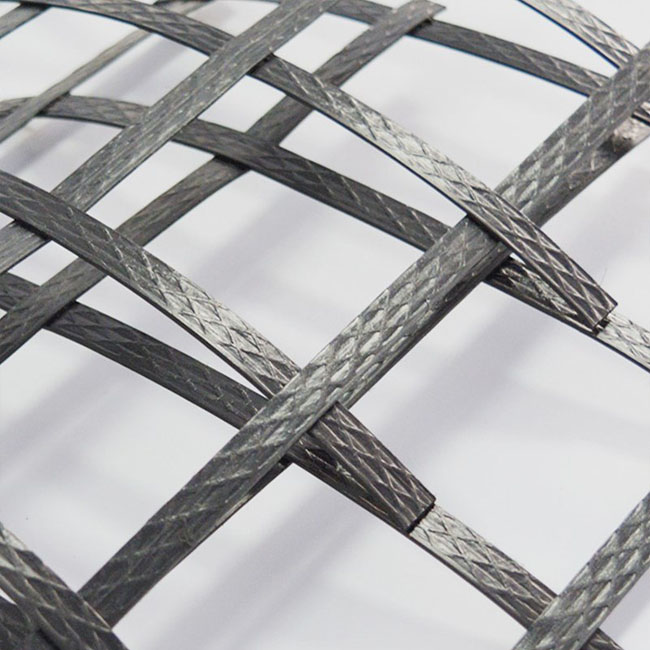
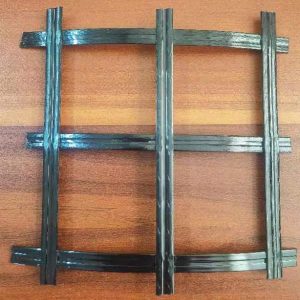
PET Welded Geogrid is a type of geosynthetic material made from high-strength polyester (PET) yarns that are welded together at their junctions to form a grid-like structure. The grid is designed to distribute loads over a larger area, reducing the stress on the soil and preventing deformation or failure. The welding process ensures that the junctions are exceptionally strong, providing superior tensile strength and rigidity compared to other types of geogrids.
One of the standout features of Welded Geogrid is its high resistance to environmental factors such as UV radiation, chemicals, and biological degradation. This makes it an ideal choice for long-term applications where durability and longevity are crucial. Additionally, Welded Geogrid is lightweight and easy to handle, making it a cost-effective solution for various construction projects.
The Role of PET Welded Geogrid in Soil Reinforcement
Soil reinforcement is a critical aspect of construction, particularly in areas with poor soil conditions or where heavy loads are expected. Welded Geogrid plays a vital role in this process by providing a stable and uniform platform for construction. When used in combination with other materials like aggregates or concrete, Welded Geogrid enhances the load-bearing capacity of the soil, preventing settlement, erosion, and other forms of ground failure.
The grid structure of Welded Geogrid allows it to interlock with the surrounding soil, creating a composite material with improved mechanical properties. This interlocking effect helps to distribute loads more evenly, reducing the risk of localized stress concentrations that could lead to failure. Furthermore, the high tensile strength of Welded Geogrid ensures that it can withstand the forces exerted by heavy loads, making it an ideal solution for reinforcing roads, highways, and other infrastructure.
Applications of PET Welded Geogrid
Welded Geogrid is a versatile material with a wide range of applications in civil engineering and construction. Some of the most common uses include:
- Road Construction: In road construction, Welded Geogrid is used to reinforce the subgrade, improving the load-bearing capacity of the soil and preventing rutting and deformation. It is particularly useful in areas with soft or unstable soils, where traditional methods of reinforcement may not be sufficient.
- Embankments and Slopes: PET Welded Geogrid is often used to stabilize embankments and slopes, preventing erosion and landslides. The grid structure provides additional support to the soil, reducing the risk of slope failure and ensuring the long-term stability of the structure.
- Retaining Walls: Retaining walls are used to hold back soil and prevent erosion in areas with steep slopes. Welded Geogrid can be used in conjunction with retaining wall systems to provide additional reinforcement, ensuring that the wall remains stable even under heavy loads.
- Railways: In railway construction, PET Welded Geogrid is used to reinforce the ballast layer, improving the stability of the track and reducing maintenance costs. The grid helps to distribute the load from passing trains more evenly, preventing deformation and settlement of the track.
- Landfills: Welded Geogrid is also used in landfill construction to reinforce the base and prevent settlement. The grid provides additional support to the waste material, reducing the risk of subsidence and ensuring the long-term stability of the landfill.
- Bridges and Overpasses: The construction of bridges and overpasses often involves the use of PET Welded Geogrid to reinforce the approach ramps and abutments. The grid provides additional stability to the soil, preventing settlement and ensuring the long-term durability of the structure.
Advantages of PET Welded Geogrid
The widespread adoption of Welded Geogrid in construction projects is due to the numerous advantages it offers over traditional reinforcement methods. Some of the key benefits include:
- High Tensile Strength: Welded Geogrid is designed to withstand high tensile forces, making it an ideal solution for reinforcing soils that are subject to heavy loads. The grid’s high tensile strength ensures that it can effectively distribute loads over a larger area, reducing the risk of ground failure.
- Durability: Welded Geogrid is highly resistant to environmental factors such as UV radiation, chemicals, and biological degradation. This makes it a durable solution for long-term applications, with a lifespan that can exceed several decades.
- Ease of Installation: Welded Geogrid is lightweight and easy to handle, making it a cost-effective solution for large-scale construction projects. The grid can be easily installed using standard construction equipment, reducing labor costs and construction time.
- Flexibility: The grid structure of Welded Geogrid allows it to conform to the contours of the ground, making it suitable for use in a wide range of applications. Whether it’s reinforcing a flat surface or stabilizing a slope, PET Welded Geogrid can be easily adapted to meet the specific requirements of the project.
- Cost-Effective: The use of Welded Geogrid can significantly reduce construction costs by minimizing the need for expensive fill materials and reducing the risk of ground failure. The grid’s durability and long lifespan also mean that maintenance costs are kept to a minimum, making it a cost-effective solution for long-term projects.
Conclusion
PET Welded Geogrid is a game-changer in the field of civil engineering and construction. Its high tensile strength, durability, and ease of installation make it an ideal solution for reinforcing soils and ensuring the long-term stability of structures. Whether it’s roads, embankments, retaining walls, or landfills, Welded Geogrid is playing a critical role in modern construction, providing engineers and builders with a reliable and cost-effective solution for ground reinforcement. As the demand for more sustainable and resilient infrastructure continues to grow, the importance of materials like Welded Geogrid will only increase, making it an essential component in the future of construction.
