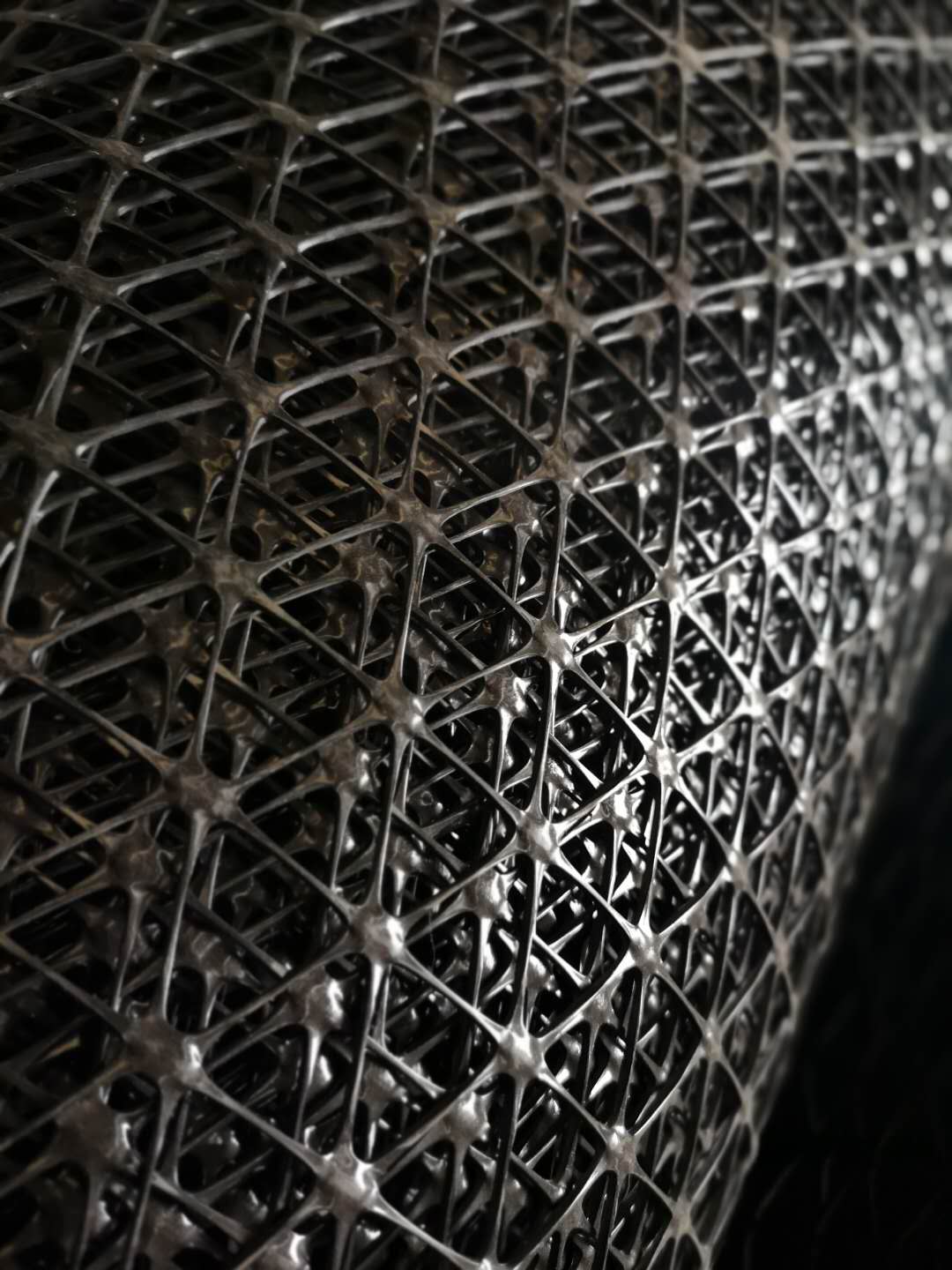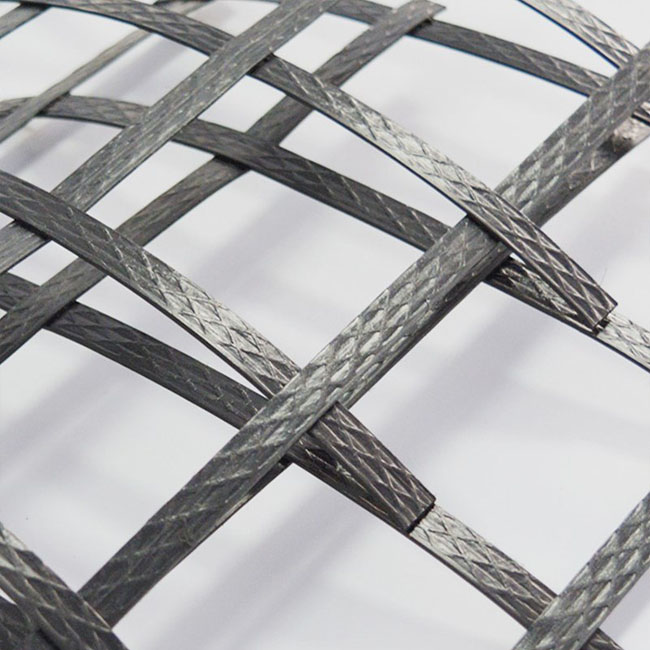
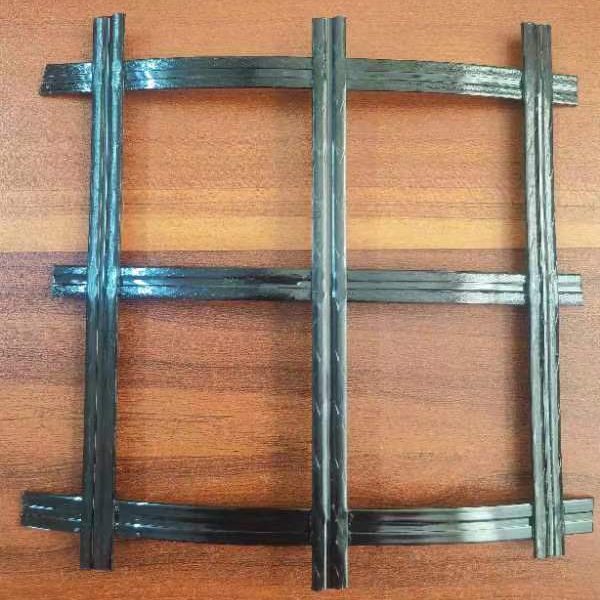


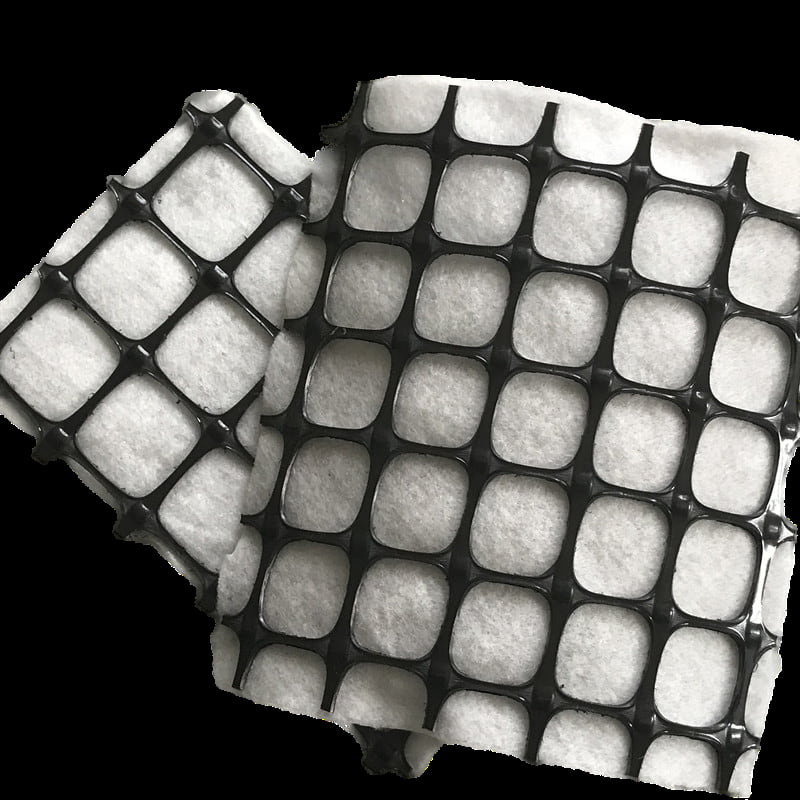






Polyester(PET) Uniaxial Geogrid
Polyester (PET) uniaxial geogrid and high-density polyethylene (HDPE) uniaxial geogrid are both used for soil reinforcement and stabilization, but they differ in material properties, performance characteristics, and applications. Here’s a detailed comparison between the two:
1. Material Composition
Polyester (PET) Uniaxial Geogrid:
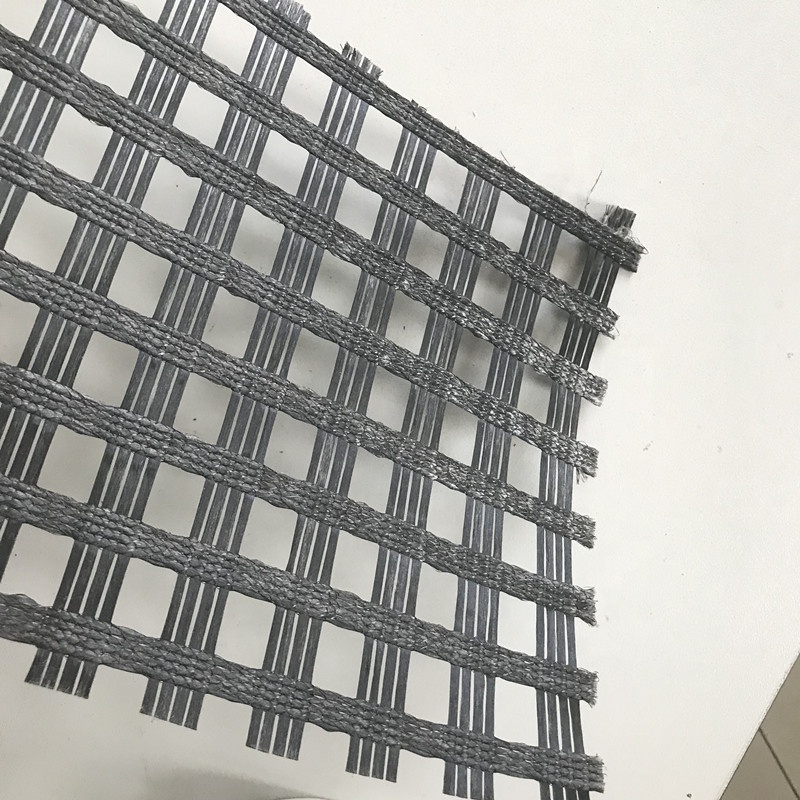
- Material: Made from high-tenacity polyester fibers.
- Coating: Often coated with PVC or other materials to enhance durability and resistance to environmental factors.
HDPE Uniaxial Geogrid:
- Material: Made from high-density polyethylene.
- Coating: Typically does not require additional coating due to the inherent durability of HDPE.
2. Tensile Strength and Modulus
Polyester (PET) Uniaxial Geogrid:
- High Tensile Strength: PET geogrids generally offer high tensile strength, which is beneficial for reinforcement applications requiring high load-bearing capacity.
- High Modulus: PET geogrids have a high tensile modulus, providing significant stiffness and minimizing elongation under load.
HDPE Uniaxial Geogrid:
- Good Tensile Strength: HDPE geogrids also offer good tensile strength, though typically lower than PET geogrids.
- Moderate Modulus: HDPE geogrids have a lower tensile modulus compared to PET, meaning they may exhibit more elongation under load.
3. Chemical and Environmental Resistance
Polyester (PET) Uniaxial Geogrid:
- Chemical Resistance: PET geogrids are resistant to a wide range of chemicals, but less resistant to strong alkalis.
- UV Resistance: PET geogrids typically have lower UV resistance compared to HDPE, but this can be mitigated with appropriate coatings.
HDPE Uniaxial Geogrid:
- Chemical Resistance: HDPE geogrids offer excellent resistance to a wide range of chemicals, including acids, alkalis, and organic solvents.
- UV Resistance: HDPE geogrids have high resistance to UV degradation, making them suitable for long-term exposure to sunlight.
4. Durability and Longevity
Polyester (PET) Uniaxial Geogrid:
- Long-Term Durability: PET geogrids are durable and suitable for long-term applications, especially when coated to enhance UV and chemical resistance.
- Temperature Sensitivity: PET is more sensitive to high temperatures compared to HDPE.
HDPE Uniaxial Geogrid:
- Excellent Durability: HDPE geogrids are highly durable and maintain their performance over long periods, even in harsh environmental conditions.
- Temperature Stability: HDPE can withstand a wider range of temperatures without significant degradation.
5. Installation and Handling
Polyester (PET) Uniaxial Geogrid:
- Flexibility: PET geogrids are generally more flexible and easier to handle during installation.
- Lightweight: They are typically lighter, which can simplify transportation and installation.
HDPE Uniaxial Geogrid:
- Stiffer Material: HDPE geogrids are stiffer and less flexible, which can make them more challenging to handle in some cases.
- Weight: They can be heavier compared to PET geogrids, potentially complicating handling and installation.
6. Typical Applications
Polyester (PET) Uniaxial Geogrid:
- Retaining Walls: Used extensively in the reinforcement of retaining walls.
- Steep Slopes: Ideal for stabilizing steep slopes and embankments due to high tensile strength.
- Bridge Abutments: Used in reinforcing soil behind bridge abutments.
HDPE Uniaxial Geogrid:
- Landfills: Suitable for reinforcing soil layers in landfills due to chemical resistance.
- Roadways and Pavements: Used in road and pavement construction for subgrade reinforcement.
- Coastal and Hydraulic Structures: Ideal for reinforcing structures exposed to harsh chemical environments, such as coastal areas and hydraulic structures.
Summary of Key Differences:
| Feature | Polyester (PET) Uniaxial Geogrid | HDPE Uniaxial Geogrid |
|---|---|---|
| Material | High-tenacity polyester fibers | High-density polyethylene |
| Tensile Strength | High | Good |
| Tensile Modulus | High (stiffer) | Moderate (more elongation) |
| Chemical Resistance | Good (less resistant to strong alkalis) | Excellent (wide range of chemicals) |
| UV Resistance | Moderate (can be enhanced with coating) | High |
| Durability | Long-term, sensitive to high temperatures | Excellent, stable across temperature range |
| Flexibility | More flexible | Stiffer |
| Weight | Lighter | Heavier |
| Typical Applications | Retaining walls, steep slopes, bridge abutments | Landfills, roadways, coastal structures |
Manufacturing Process of Polyester Yarns Knitted Uniaxial Geogrid
- Material Selection:
- Polyester Yarns: High-tenacity polyester yarns are selected for their strength, durability, and resistance to environmental factors.
- Geogrid Design: The design of the geogrid involves a single set of parallel yarns, typically oriented in the machine direction (MD), with spacing determined by the desired strength and stiffness characteristics.
- Knitting Process:
- Machine Setup: The knitting machine is set up to accommodate the specific yarn size and pattern required for the geogrid.
- Yarn Feeding: Polyester yarns are fed into the knitting machine, where they are interlooped to form a continuous structure.
- Knitting Pattern: The machine knits the yarns into a grid pattern, typically featuring parallel yarns in the machine direction (MD) and intermittent cross-over points to lock the yarns in place.
- Tension Control: Precise tension control is maintained to ensure uniformity and consistency in yarn placement and grid structure.
- Heat Setting (Optional):
- After knitting, the geogrid may undergo a heat setting process to stabilize its dimensions and enhance its mechanical properties.
- Quality Control:
- Throughout the manufacturing process, quality control measures ensure that the geogrid meets specified standards for tensile strength, elongation, aperture size, and other performance parameters.
- Sample testing and inspections are conducted to verify the integrity and quality of the geogrid.
- Rolling and Packaging:
- Once manufactured and inspected, the polyester yarns knitted uniaxial geogrids are rolled onto spools or cut into rolls of specified dimensions.
- Proper packaging ensures protection during transportation and storage, maintaining the geogrid’s quality until installation.