

In the realm of civil engineering, innovative materials and technologies continue to reshape how we approach infrastructure development and environmental management. Among these advancements, HDPE (High-Density Polyethylene) geocells have emerged as a game-changer. These three-dimensional honeycomb-like structures have revolutionized soil stabilization, erosion control, and load support. This article delves into the multifaceted applications of ASTM standard HDPE geocells, exploring their properties, benefits, and impact on modern civil engineering practices.
Understanding ASTM Standard HDPE Geocells
What are HDPE Geocells?
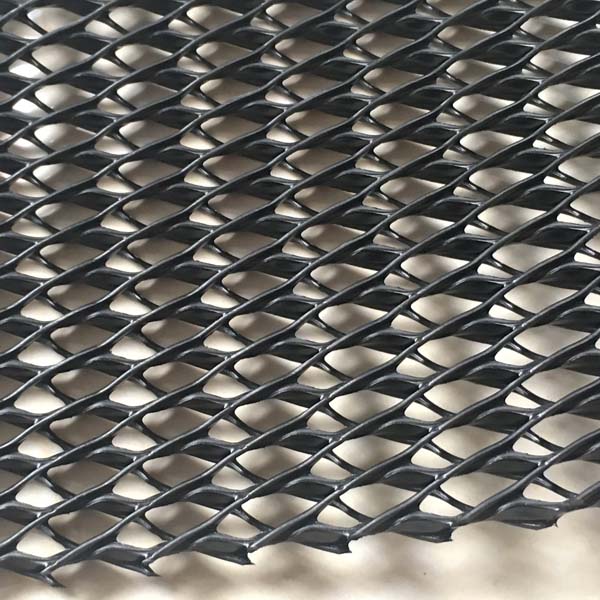
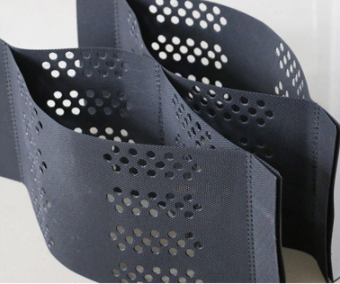
ASTM Standard HDPE Geocells are cellular confinement systems made from high-density polyethylene, a durable and flexible thermoplastic. These geocells consist of interconnected cells that form a honeycomb-like structure when expanded. The cells are typically filled with soil, aggregate, or other materials, creating a composite material that significantly enhances the load-bearing capacity and stability of the ground.
Properties of HDPE Geocells
The unique properties of ASTM Standard HDPE Geocells contribute to their effectiveness in various applications:
- Durability: HDPE geocells are resistant to degradation from ultraviolet radiation, chemicals, and environmental factors, ensuring a long service life.
- Flexibility: The material’s flexibility allows it to conform to the natural contours of the terrain, making it suitable for uneven and challenging surfaces.
- Load Distribution: The honeycomb structure evenly distributes loads across a wide area, reducing pressure on the underlying soil and preventing localized failure.
- Lightweight: Despite their strength, HDPE geocells are lightweight, making them easy to transport and install.
- Permeability: The open-cell structure allows water to flow freely, reducing the risk of waterlogging and promoting drainage.
Applications of HDPE Geocells in Civil Engineering
Soil Stabilization
One of the primary applications of ASTM Standard HDPE Geocells is soil stabilization. Unstable soil conditions can pose significant challenges in construction projects, leading to settlement, erosion, and structural failure. HDPE geocells provide an effective solution by reinforcing the soil and enhancing its load-bearing capacity.
Embankment Reinforcement
In road and railway construction, embankments are often built on weak or compressible soils. HDPE geocells are used to reinforce these embankments, distributing loads and preventing settlement. The geocells create a stable base that can withstand the weight of heavy traffic and reduce maintenance costs.
Slope Stabilization
Steep slopes are prone to erosion and landslides, especially during heavy rainfall. HDPE geocells are employed to stabilize slopes by confining the soil and preventing it from sliding. The geocells are anchored to the slope, and vegetation is often planted within the cells to provide additional reinforcement and erosion control.
Erosion Control
Erosion is a major concern in civil engineering, particularly in areas with high rainfall or strong water currents. ASTM Standard HDPE Geocells offer an effective erosion control solution by stabilizing the soil and preventing the detachment and transport of soil particles.
Channel and Riverbank Protection
Water channels and riverbanks are susceptible to erosion due to the continuous flow of water. HDPE geocells are used to protect these areas by providing a stable and reinforced surface. The geocells are filled with stones or vegetation, creating a protective barrier that dissipates the energy of flowing water and prevents erosion.
Coastal Protection
Coastal areas are vulnerable to erosion caused by waves and tides. HDPE geocells are employed in coastal protection projects to stabilize sand dunes and prevent beach erosion. The geocells can be filled with sand, gravel, or vegetation, creating a resilient barrier that absorbs wave energy and maintains the integrity of the coastline.
Load Support
In infrastructure development, providing adequate load support is crucial to ensure the stability and longevity of structures. ASTM Standard HDPE Geocells are used to enhance load support in various applications, from road construction to foundation stabilization.
Road Construction
HDPE geocells are widely used in road construction to improve the load-bearing capacity of subgrades and base layers. The geocells distribute traffic loads evenly, reducing rutting and extending the lifespan of the road. This results in cost savings by reducing the need for frequent repairs and maintenance.
Foundation Stabilization
Building foundations on weak or unstable soils can lead to differential settlement and structural damage. ASTM Standard HDPE Geocells are used to reinforce the foundation soil, distributing loads and minimizing settlement. This ensures a stable and durable foundation for buildings and other structures.
Advantages of Using ASTM Standard HDPE Geocells
The use of HDPE geocells in civil engineering offers numerous advantages that contribute to their widespread adoption:
- Cost-Effective: HDPE geocells are a cost-effective solution for soil stabilization, erosion control, and load support. They reduce the need for expensive materials and labor-intensive construction methods.
- Environmental Benefits: The use of HDPE geocells promotes sustainable construction practices. By reducing soil erosion and promoting vegetation growth, they help preserve the natural environment.
- Ease of Installation: HDPE geocells are lightweight and easy to transport, making them convenient to install. They can be quickly deployed on-site, reducing construction time and labor costs.
- Versatility: ASTM Standard HDPE Geocells are suitable for a wide range of applications, from road construction to environmental restoration. Their versatility makes them a valuable tool in various civil engineering projects.
- Long-Term Performance: The durability and resistance to environmental factors ensure that HDPE geocells provide long-term performance with minimal maintenance requirements.
Case Studies: Real-World Applications of HDPE Geocells
Case Study 1: Road Construction in Soft Soil Areas
In a road construction project in a region with soft soil conditions, HDPE geocells were used to reinforce the subgrade and base layers. The geocells were filled with locally available aggregates and installed in a honeycomb pattern. This distributed the traffic loads evenly, preventing rutting and settlement. The use of HDPE geocells resulted in a stable and durable road with reduced maintenance costs.
Case Study 2: Slope Stabilization in a Landslide-Prone Area
A landslide-prone area required effective slope stabilization to prevent further erosion and ensure the safety of nearby infrastructure. ASTM Standard HDPE Geocells were installed on the slope and filled with soil and vegetation. The geocells provided structural support, preventing soil movement and promoting vegetation growth. This solution effectively stabilized the slope, reducing the risk of landslides.
Case Study 3: Coastal Erosion Control
In a coastal protection project, HDPE geocells were used to stabilize sand dunes and prevent beach erosion. The geocells were filled with sand and covered with a layer of vegetation. This created a resilient barrier that absorbed wave energy and protected the coastline from erosion. The use of ASTM Standard HDPE Geocells helped maintain the integrity of the coastal area, preserving its natural beauty and protecting nearby infrastructure.
Future Trends and Innovations in HDPE Geocells
The development and application of HDPE geocells continue to evolve, driven by advancements in materials science and engineering practices. Several trends and innovations are shaping the future of HDPE geocells in civil engineering:
Enhanced Material Properties
Research and development efforts are focused on enhancing the material properties of ASTM Standard HDPE Geocells. This includes improving their tensile strength, durability, and resistance to environmental factors. Advanced manufacturing techniques and the use of additives are being explored to create geocells with superior performance characteristics.
Integration with Smart Technologies
The integration of HDPE geocells with smart technologies is an emerging trend. Sensors and monitoring systems can be embedded within the geocells to provide real-time data on soil conditions, load distribution, and structural performance. This information can be used to optimize construction processes, improve maintenance strategies, and enhance the overall safety and reliability of infrastructure projects.
Sustainable and Green Solutions
Sustainability is a key focus in modern civil engineering. ASTM Standard HDPE Geocells are being developed with environmentally friendly materials and manufacturing processes. Additionally, their use in promoting vegetation growth and reducing soil erosion contributes to sustainable construction practices. Future innovations will likely prioritize the development of green solutions that minimize the environmental impact of construction activities.
Expanded Applications
The versatility of HDPE geocells opens up new possibilities for their application in various fields. Beyond traditional civil engineering projects, HDPE geocells are being explored for use in mining, agriculture, and environmental restoration. Their ability to stabilize soils, control erosion, and support heavy loads makes them valuable in a wide range of industries.
Conclusion
ASTM Standard HDPE Geocells have transformed the landscape of civil engineering, offering innovative solutions for soil stabilization, erosion control, and load support. Their durability, flexibility, and load-distribution properties make them indispensable in various applications, from road construction to coastal protection. As research and development efforts continue to enhance their performance and expand their applications, HDPE geocells are poised to play a vital role in the future of sustainable and resilient infrastructure development. By harnessing the potential of HDPE geocells, engineers and builders can create safer, more durable, and environmentally friendly structures that meet the demands of a rapidly changing world.
