

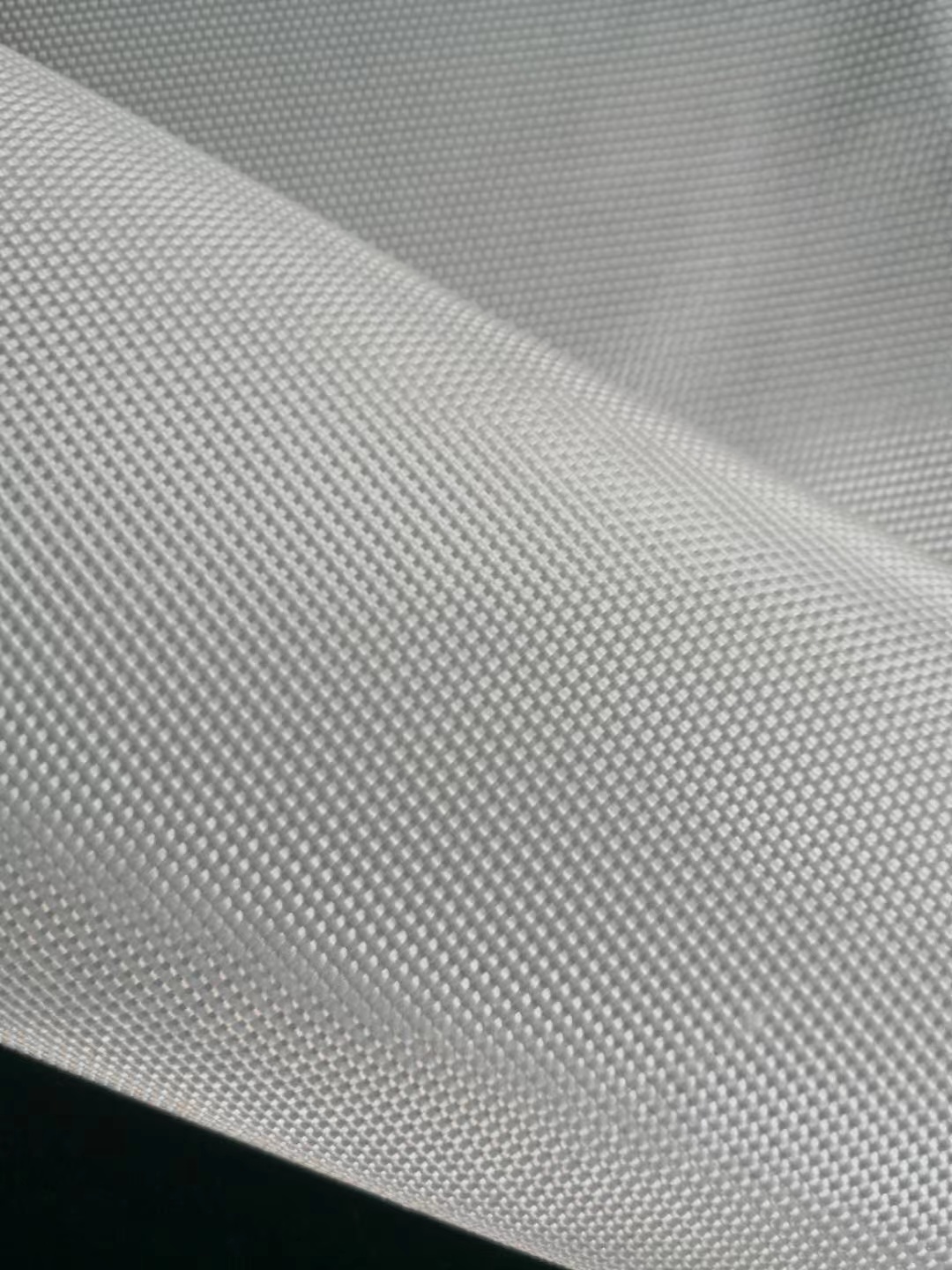

Polypropylene (PP) nonwoven geotextiles are essential materials in the construction and engineering sectors and are known for their versatility and wide range of applications. These materials are made from polypropylene fibers and are produced using a needle-punching process to create a fabric-like structure. Due to their unique properties, PP nonwoven geotextiles are widely used in civil engineering, environmental protection, and other related industries. This article delves into the reasons for using nonwoven geotextiles, exploring their benefits, applications, and how they contribute to sustainability and cost efficiency in various projects.
What is PP Nonwoven Geotextile?
PP nonwoven geotextile is a type of fabric made from polypropylene fibers that are bonded together through mechanical, thermal, or chemical means, with needle-punching being the most common production method. The resulting fabric is porous, allowing water to pass through while retaining fine particles. This permeability and filtering capability make it suitable for a variety of construction applications.
Nonwoven geotextiles are typically used in applications that require separation, filtration, drainage, reinforcement, and protection. The fibers’ polypropylene composition ensures high chemical resistance, durability, and a long lifespan, making these geotextiles well-suited for demanding environmental and civil engineering projects.
Key Benefits of Nonwoven Geotextiles
- Durability and Strength
- One of the primary reasons for using PP nonwoven geotextiles is their durability. The polypropylene fibers offer excellent tensile strength, which helps the material withstand significant mechanical stress and deformation. These properties make it suitable for heavy-duty applications such as road construction, landfills, and erosion control. The fabric can handle a wide range of loads without breaking down or losing functionality.
- High Chemical Resistance
- PP nonwoven geotextiles have strong resistance to chemicals, including acids, alkalis, and organic compounds. This makes them ideal for use in contaminated environments, such as landfills, where exposure to leachate can degrade less resistant materials. The chemical resistance extends the lifespan of the geotextile, ensuring that it continues to perform its intended function for years.
- UV Resistance
- Polypropylene fibers exhibit high resistance to ultraviolet (UV) radiation, which is crucial for projects exposed to sunlight over extended periods. The geotextile maintains its integrity and strength even in harsh outdoor conditions, reducing the need for frequent replacement or maintenance.
- Cost Efficiency
- When compared to other construction materials, nonwoven geotextiles are cost-effective. Their installation is relatively easy, which helps to reduce labor costs. Moreover, their long lifespan and minimal maintenance requirements further contribute to cost savings over the life of a project. The ability to improve soil stability and prevent erosion also helps reduce the need for additional infrastructure.
- Permeability and Filtration
- The porous nature of nonwoven geotextiles allows water to flow through while preventing the passage of soil particles. This makes them effective for filtration and drainage applications. They help to avoid waterlogging in construction sites and agricultural areas by facilitating proper water drainage, which can prevent damage to structures and crops.
- Environmental Friendliness
- PP nonwoven geotextiles contribute to environmental protection by reducing soil erosion, promoting sustainable land use, and preventing pollution. Their ability to separate soil and aggregate layers minimizes the amount of raw materials needed in construction projects. Additionally, since polypropylene is a recyclable material, geotextiles made from it can be reused or repurposed, reducing waste in landfills.

Applications of PP Nonwoven Geotextiles
- Road Construction
- In road construction, nonwoven geotextiles are used for soil stabilization, separation, and drainage. They prevent the mixing of subgrade soil with aggregate layers, which enhances the structural integrity of the road. By maintaining the separation between different soil layers, the geotextile helps prolong the lifespan of the road and reduces maintenance costs.
- Erosion Control
- Erosion control is a critical application for nonwoven geotextiles. They are commonly used in slopes, embankments, and riverbanks to prevent soil erosion caused by wind and water. By stabilizing the soil, these geotextiles help to maintain the natural landscape and protect infrastructure from damage due to soil movement.
- Landfills and Waste Containment
- In landfill applications, nonwoven geotextiles act as a protective layer, preventing contamination of groundwater by separating waste material from soil. They also serve as a drainage layer, facilitating the collection and removal of leachate, which is crucial for environmental protection and compliance with regulatory standards.
- Drainage Systems
- PP nonwoven geotextiles are used in various drainage systems, such as trench drains, French drains, and retaining walls, to allow water to pass while filtering out sediments. This application is important for preventing soil clogging in drainage pipes, ensuring efficient water flow, and reducing the risk of flooding.
- Agriculture and Landscaping
- In agricultural and landscaping projects, nonwoven geotextiles serve as a weed barrier, protecting plants and crops from unwanted weed growth without the use of chemicals. They also help in soil stabilization and water management, ensuring that irrigation systems work efficiently and that water reaches plant roots.
- Coastal and Marine Engineering
- PP nonwoven geotextiles are used in coastal and marine projects, such as seawalls, breakwaters, and dike construction. They help prevent soil erosion caused by waves and tides, ensuring the stability and longevity of coastal structures.
Installation Considerations
When using nonwoven geotextiles, proper installation is crucial to ensure optimal performance. Some key considerations include:
- Preparation of the Ground Surface
- The surface where the geotextile will be installed should be free of sharp objects, rocks, or debris that could puncture the fabric. A smooth, well-prepared surface helps to ensure that the geotextile functions effectively.
- Correct Overlapping
- When multiple sheets of geotextile are used, they should be overlapped correctly to prevent gaps that could allow soil to pass through. The overlap length may vary depending on the application and soil conditions but should generally be at least 30-60 centimeters.
- Anchoring
- Anchoring the edges of the geotextile is essential to prevent it from shifting during installation. Pins, staples, or soil can be used to hold the geotextile in place, ensuring that it remains stable.
- Protective Covering
- In applications where the geotextile is exposed to traffic or heavy loads, a protective layer of soil, gravel, or other materials may be applied to shield it from damage. This helps to extend the lifespan of the geotextile and maintain its performance.
How PP Nonwoven Geotextiles Contribute to Sustainable Construction
The use of nonwoven geotextiles aligns with sustainable construction practices. By improving soil stability, reducing the need for raw materials, and minimizing environmental impact, they play a significant role in eco-friendly engineering. Their recyclability and long service life also help reduce waste, promoting circular economy principles in the construction industry.
Conclusion
PP nonwoven geotextiles are indispensable materials in modern construction and environmental protection projects. Their durability, chemical resistance, and versatility make them suitable for a wide range of applications, from road construction to erosion control and waste containment. These geotextiles offer cost-effective solutions for improving soil stability, enhancing drainage, and protecting the environment, making them a valuable asset in sustainable engineering practices. By understanding the benefits and applications of nonwoven geotextiles, engineers and project managers can make informed decisions to optimize their projects’ performance and environmental impact.
