
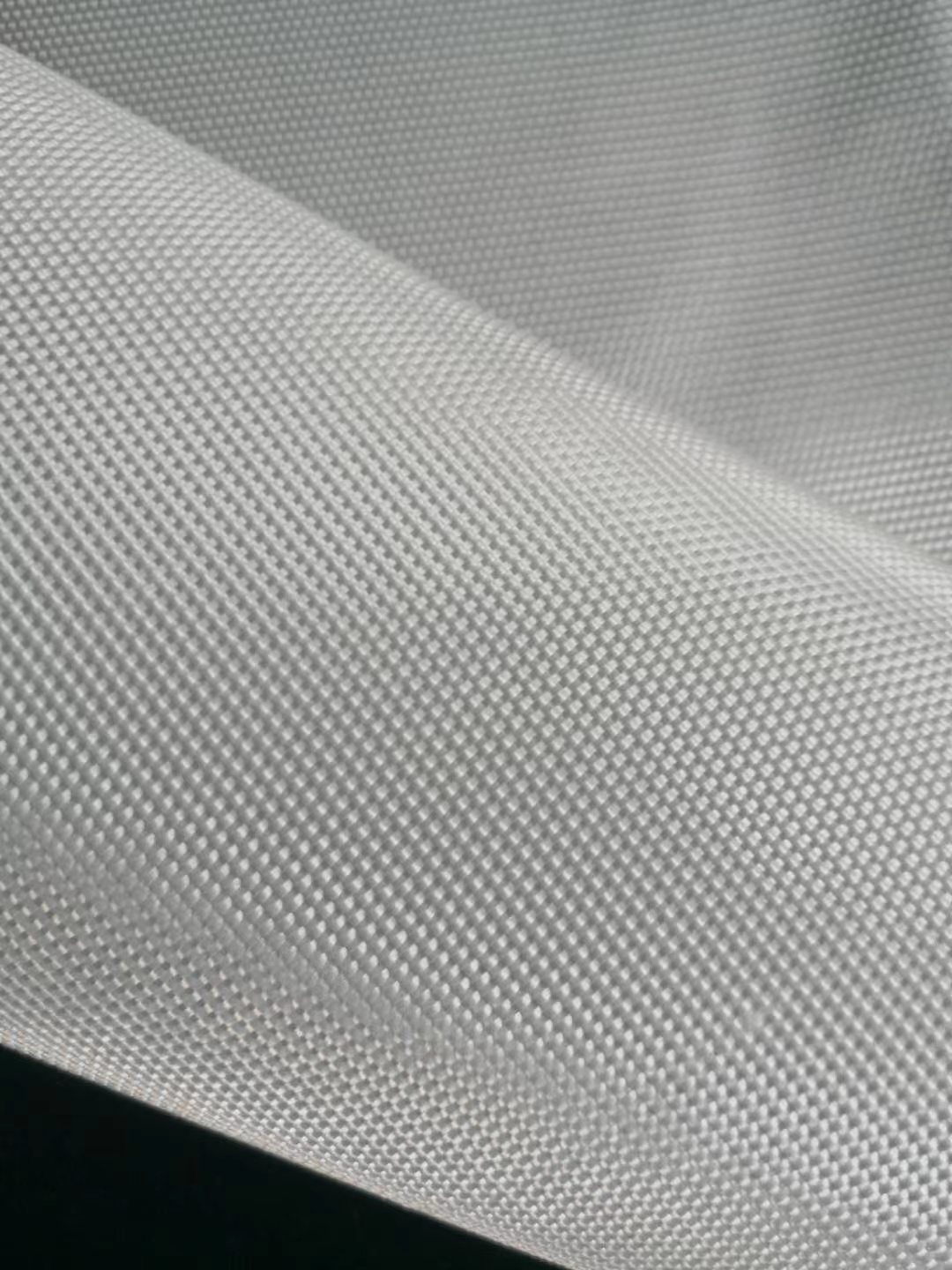
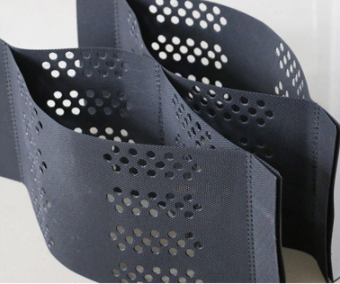

In the realm of civil engineering and construction, PET (Polyethylene Terephthalate) nonwoven geotextile has become a widely used material due to its versatility, durability, and sustainability. Made from synthetic fibers, PET nonwoven geotextile is created through a mechanical, chemical, or thermal bonding process, which produces a flexible and porous fabric. This geotextile has various applications in infrastructure projects, particularly those that involve earthworks, drainage, and erosion control. In this article, we will explore the uses of nonwoven geotextile and how it contributes to the success of construction projects.
1. Erosion Control
One of the primary uses of PET nonwoven geotextile is erosion control. In areas prone to soil erosion, such as slopes, embankments, or riverbanks, geotextiles play a crucial role in maintaining soil stability. Nonwoven geotextile is laid beneath the soil, acting as a protective barrier against erosion caused by water or wind. Its porous structure allows water to pass through while retaining the soil, preventing landslides or loss of topsoil in construction areas.
By enhancing soil stability, this geotextile helps prevent environmental degradation and ensures the longevity of infrastructure projects. It also aids in vegetative growth in eroded areas by preventing soil from being washed away, allowing plants to take root and naturally stabilize the terrain.
2. Drainage Systems
PET nonwoven geotextile is frequently used in drainage systems. Its permeability allows it to filter water while preventing soil particles from clogging drainage channels or pipes. This makes it an essential component in projects where effective water management is crucial, such as road construction, retaining walls, and landfills.
In road construction, for instance, the geotextile is placed beneath the aggregate layers. It ensures that water can pass through, reducing the likelihood of water pooling on the road surface, which can lead to pavement deterioration. Similarly, in landfill sites, PET nonwoven geotextile helps manage leachate, directing it to drainage systems without allowing harmful substances to contaminate the surrounding soil.
3. Separation and Filtration
Separation and filtration are critical roles played by nonwoven geotextiles in construction. These geotextiles are placed between different layers of soil or aggregates to prevent the mixing of fine particles with coarse ones. This separation helps maintain the structural integrity of roads, pavements, and other infrastructure by preventing subgrade materials from contaminating the aggregate layers.
The filtration capabilities of PET nonwoven geotextile also come into play in agricultural and landscaping applications. For instance, in agricultural drainage systems, the geotextile allows water to drain through while filtering out sediments and preventing clogging. This results in more efficient irrigation and water flow, reducing the likelihood of soil compaction and crop damage.
4. Reinforcement of Soil Structures
Nonwoven geotextile is also used to reinforce soil structures in various civil engineering applications. It strengthens weak or unstable soils, improving their load-bearing capacity and preventing soil movement under stress. This function is particularly useful in the construction of retaining walls, embankments, and foundations.
By distributing loads more evenly, the geotextile helps prevent deformation and failure of the soil structure, especially in areas subjected to heavy traffic or seismic activity. In retaining wall projects, for example, the geotextile reinforces the backfill material, preventing soil erosion and wall failure over time.
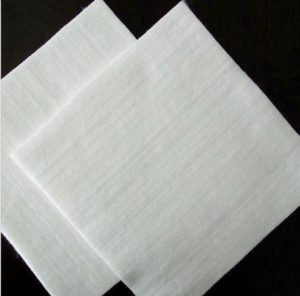
5. Road and Railway Construction
In the construction of roads and railways, PET nonwoven geotextile is used as a subgrade stabilizer. It separates the base and subgrade layers, preventing the intermixing of materials and reducing the risk of structural failure. The geotextile improves the overall performance and longevity of roadways by enhancing load distribution, reducing rutting, and minimizing maintenance costs.
In railway construction, nonwoven geotextile provides similar benefits, contributing to the stability of railway tracks. It helps prevent the ballast from mixing with the underlying soil, ensuring a firm foundation for the tracks and reducing maintenance frequency.
6. Landfill Liners and Environmental Protection
Another significant application of PET nonwoven geotextile is in landfill liners. These geotextiles serve as protective barriers that prevent the contamination of groundwater and surrounding soil from harmful leachate. They are used alongside geomembranes in landfill capping systems to improve the environmental safety of waste disposal sites.
The durability of nonwoven geotextile makes it ideal for long-term environmental protection. It can withstand exposure to chemicals and other contaminants without degrading, ensuring that it continues to perform effectively for decades.
7. Coastal and Marine Protection
In coastal and marine engineering, nonwoven geotextile is used to protect shorelines and coastal structures from the forces of water. It is often employed in the construction of revetments, breakwaters, and other erosion control structures. By preventing soil erosion and providing structural reinforcement, it helps preserve coastlines and safeguard communities from the impacts of storm surges and tidal waves.
Marine applications require geotextiles that can resist degradation caused by saltwater, UV exposure, and other environmental factors. PET nonwoven geotextiles are highly resistant to these elements, making them suitable for long-term use in harsh marine conditions.
8. Sustainability and Environmental Benefits
In addition to its functional benefits, nonwoven geotextile offers environmental advantages. It is often made from recycled materials, contributing to sustainability efforts in construction projects. Using geotextiles made from recycled PET reduces the demand for virgin plastic, lowering the carbon footprint of the construction industry.
Moreover, PET nonwoven geotextile promotes environmental conservation by minimizing soil erosion, improving water management, and reducing the need for chemical treatments in agriculture. Its durability and long lifespan make it a cost-effective and environmentally friendly solution for various infrastructure projects.
Conclusion
PET nonwoven geotextile is an indispensable material in modern construction, offering numerous benefits across various applications. From erosion control and drainage systems to soil reinforcement and environmental protection, its versatility and durability make it a reliable choice for civil engineering projects. By improving the performance and longevity of infrastructure, nonwoven geotextile contributes to more sustainable and resilient construction practices. As the demand for eco-friendly solutions continues to grow, the use of nonwoven geotextiles is expected to expand, playing a crucial role in shaping the future of infrastructure development.
