




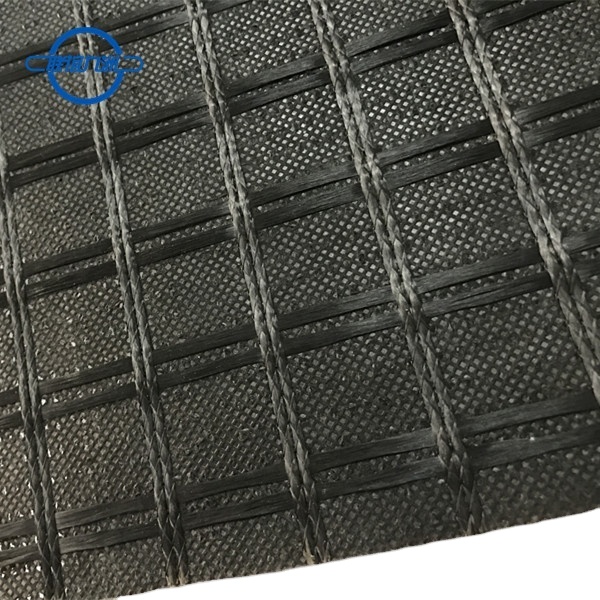
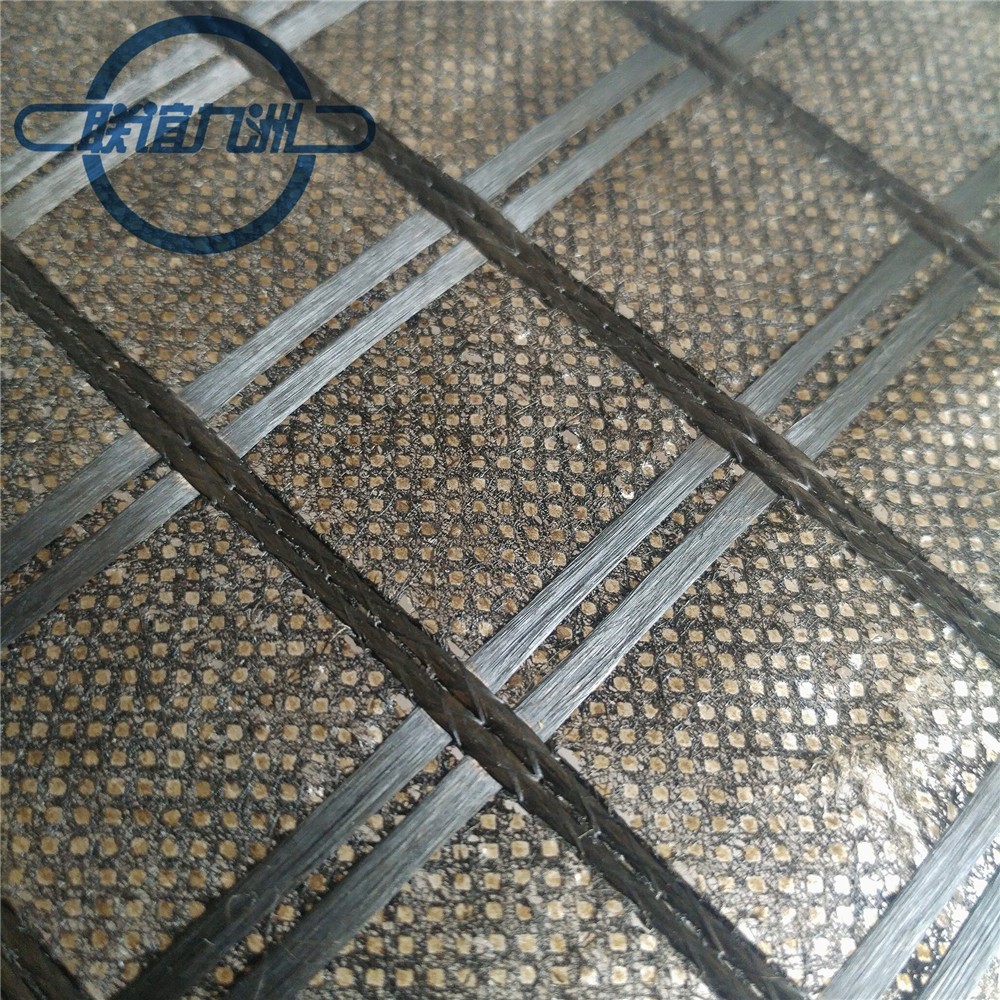

Fiberglass geogrids knitted with nonwoven fabric
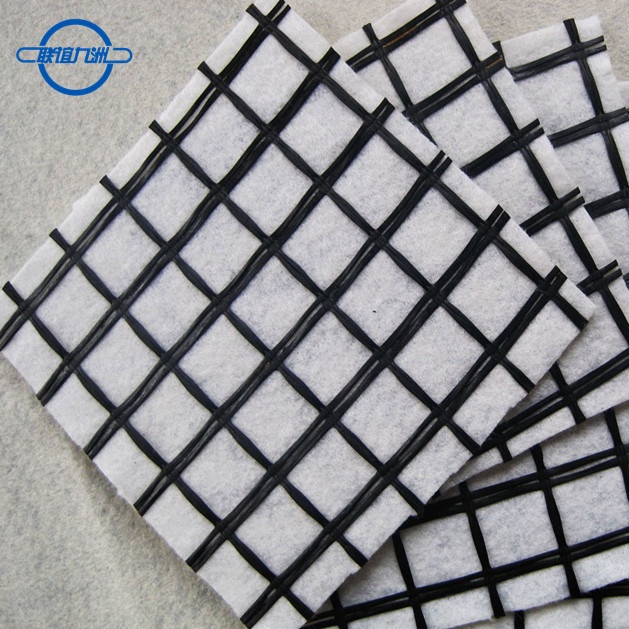
Fiberglass geogrids knitted with nonwoven fabric is composite material commonly used in construction and civil engineering projects. Here’s a detailed overview of their characteristics and applications:
Characteristics
- Material Composition:
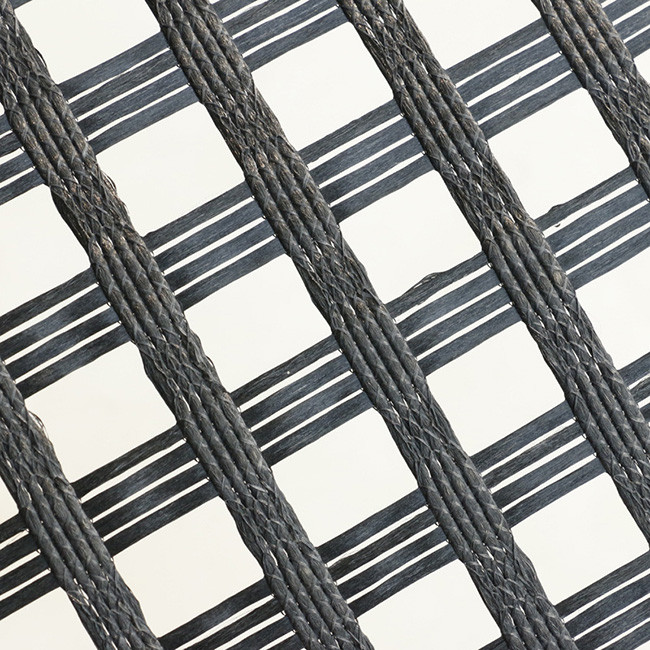
- Fiberglass Geogrid: Made from high-strength fiberglass yarns, providing excellent tensile strength and durability.
- Nonwoven Fabric: Typically composed of synthetic fibers like polyester or polypropylene, offering additional support and stability.
- Construction:
- The fiberglass geogrid is integrated with the nonwoven fabric through a knitting process, ensuring a strong bond between the two materials.
- The grid structure of the fiberglass geogrid provides reinforcement, while the nonwoven fabric aids in soil stabilization and separation.
- Properties:
- High Tensile Strength: The fiberglass geogrid offers substantial tensile strength, which helps in distributing loads and reducing deformation.
- Durability: Resistant to chemicals, UV degradation, and environmental factors.
- Dimensional Stability: Maintains its shape and performance under various loads and environmental conditions.
- Water barrier: The nonwoven fabric stops water to pass through, preventing gravels erosion.
Lianyi Fiberglass Geogrid Knitted with Nonwoven Fabric for Asphalt Reinforcement
Lianyi’s fiberglass geogrid knitted with nonwoven fabric is a specialized geocomposite designed to enhance the performance of asphalt pavements. This material combines the high tensile strength of fiberglass geogrid with the separation and filtration capabilities of nonwoven geotextile, providing superior reinforcement for asphalt layers.
Core Features and Benefits
- High Tensile Strength:
- Fiberglass Geogrid: Provides excellent tensile strength, especially high tensile at very low elongation which significantly improves the load-bearing capacity of asphalt pavements.
- Crack Prevention: Reduces the propagation of cracks within the asphalt layer, thereby extending the pavement’s service life.
- Improved Load Distribution:
- Even Load Spread: The geogrid distributes loads more evenly across the pavement structure, minimizing stress concentrations and preventing premature failures like rutting and potholes.
- Enhanced Bonding:
- Knitted Integration: The geogrid is knitted with the nonwoven fabric, ensuring a strong bond between the asphalt overlay and the underlying layers, which improves the structural integrity of the pavement.
- Separation and Filtration:
- Nonwoven Fabric: Acts as a separator, preventing the mixing of asphalt and subgrade materials while allowing water to pass through, maintaining proper drainage.
- Moisture Control: Helps manage moisture within the pavement structure, reducing the risk of water-induced damage.
- Durability and Resistance:
- Chemical Resistance: Fiberglass is resistant to chemical degradation, ensuring long-term performance in various environmental conditions.
- Thermal Stability: Maintains its properties under extreme temperatures, making it suitable for use in hot-mix asphalt applications.
Order and delivery
Lianyi ensures timely delivery of fiberglass geogrid knitted with fabric through a combination of strategic planning, efficient production processes, and robust supply chain management. Here are some key strategies and practices Lianyi employs to guarantee on-time delivery:
Strategic Planning
- Forecasting and Demand Planning:
- Utilizing advanced forecasting tools to predict demand accurately and plan production schedules accordingly.
- Collaborating closely with clients to understand their project timelines and requirements.
- Inventory Management:
- Maintaining optimal inventory levels of raw materials and finished products to handle sudden spikes in demand.
- Implementing just-in-time (JIT) inventory practices to reduce lead times and storage costs.
Efficient Production Processes
- High-Capacity Production Lines:
- Operating 20 production lines ensures high manufacturing capacity, enabling Lianyi to meet large orders without delays.
- Investing in state-of-the-art machinery and technology to streamline production and minimize downtime.
- Lean Manufacturing:
- Adopting lean manufacturing principles to eliminate waste, reduce production time, and improve efficiency.
- Continuous process improvement initiatives to enhance productivity and reduce bottlenecks.
Robust Supply Chain Management
- Supplier Relationships:
- Building strong relationships with reliable suppliers to ensure a steady supply of high-quality raw materials.
- Implementing contingency plans with alternative suppliers to mitigate risks associated with supply chain disruptions.
- Logistics and Distribution:
- Partnering with reputable logistics providers to ensure timely and secure transportation of goods.
- Utilizing advanced logistics management systems to track shipments and optimize delivery routes.
Quality Control
- In-Process Inspections:
- Conducting regular quality checks during production to identify and address issues early, preventing delays in the production schedule.
- Final Quality Assurance:
- Ensuring that all finished products meet the required specifications and standards before dispatch, reducing the likelihood of returns or rework.
Comparative analysis with traditional geogrids
Tensile strength
- Fiberglass Geogrid knitted: Glass fiber itself has extremely high tensile strength, generally reaching a high MPa level (for example, up to 3000MPa or more). This makes it perform well when subjected to tensile loads and can effectively disperse stress.
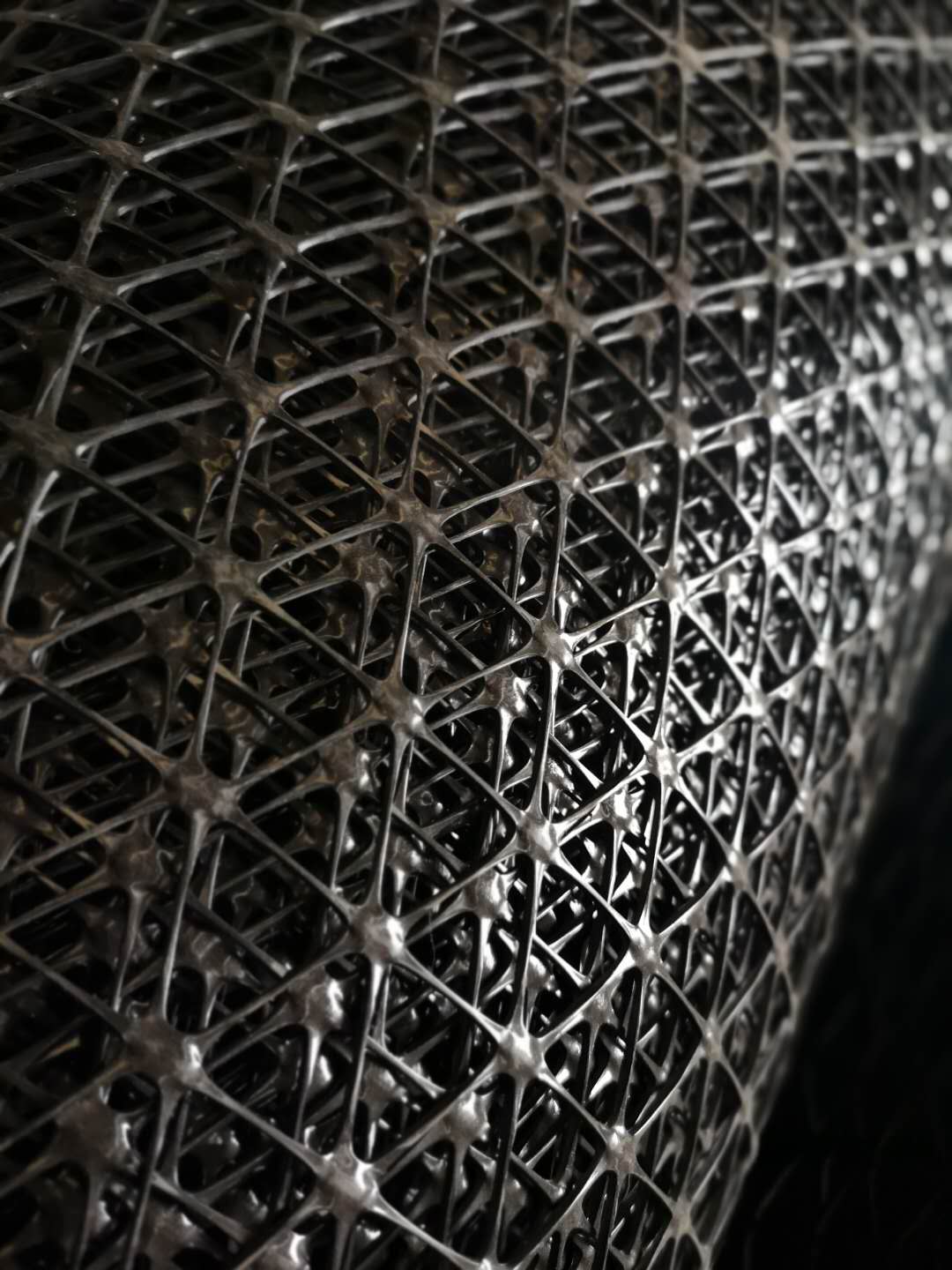
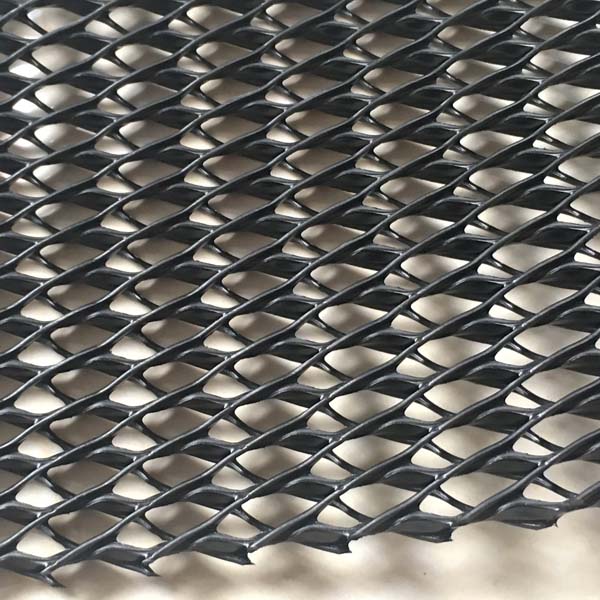
- Traditional geogrid (taking plastic geogrid as an example): The tensile strength of plastic geogrid is relatively low, usually around a few hundred MPa. Although it can meet the requirements in some engineering scenarios with light loads, its deformation degree may be relatively large when subjected to large tensile forces.
Elongation at break
- Fiberglass Geogrid knitted: The elongation at break is relatively low, generally around 3% – 5%. This means that when subjected to loads, it has a small deformation amount and can maintain good structural stability.
- Traditional geogrid (taking steel-plastic geogrid as an example): The elongation at break of steel-plastic geogrid may vary depending on the ratio of steel to plastic, but it is usually a little higher. In some cases, a higher elongation at break may cause the grid to deform more when subjected to force, affecting its reinforcement effect on the engineering structure. However, this feature may also have certain advantages in some projects that require a certain degree of deformation adaptability.
Corrosion resistance
- Fiberglass Geogrid knitted: Glass fiber has good corrosion resistance and good tolerance to chemicals such as acids and alkalis. In different soil environments, such as foundation reinforcement projects in acidic or alkaline soils, it can maintain its stable performance for a long time.
- Traditional geogrids (taking steel-plastic geogrids as an example): The steel part of the steel-plastic geogrid is susceptible to corrosion. In a humid or corrosive soil environment, the steel parts may rust, resulting in a decrease in the mechanical properties of the geogrid. Although there are some anti-corrosion measures, its durability may be affected over time and environmental erosion.


