
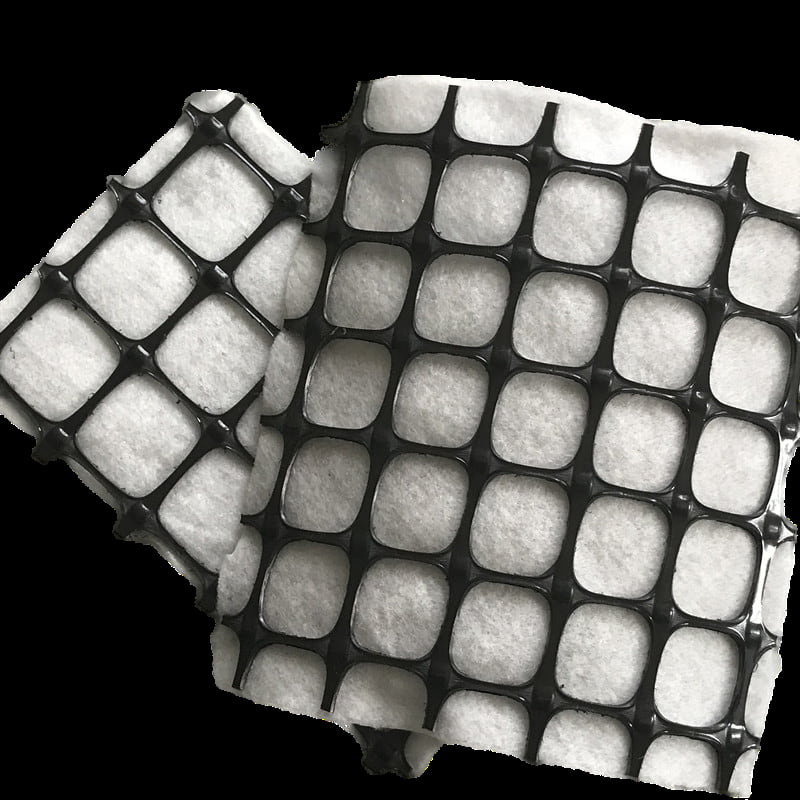


Why Fiberglass Geogrids Make Asphalt Roads Stronger and Last Longer
In modern road construction and maintenance, durability, performance, and cost-efficiency are more important than ever. One of the most effective ways to reinforce asphalt and extend the life of pavements is through the use of fiberglass geogrids—a proven solution trusted by engineers and contractors worldwide.
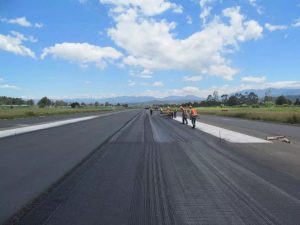
When roads are resurfaced using an asphalt overlay or built from the ground up, there’s always the risk of cracking, rutting, or surface failure due to traffic loads, weather, or subgrade movement. Fiberglass geogrids provide a simple, hidden solution that dramatically improves the performance and longevity of roads.
Let’s explore why fiberglass geogrids are the best choice for asphalt reinforcement—and how they compare to other materials like polyester or polypropylene.
? What Is a Fiberglass Geogrid?
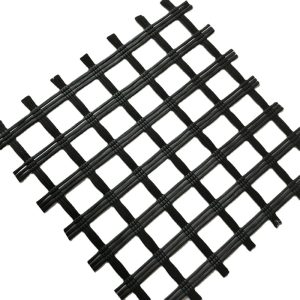
A fiberglass geogrid is a type of geosynthetic reinforcement material. It’s made from high-strength, alkali-free fiberglass yarns that are coated with modified asphalt or polymer to improve bonding with asphalt layers. It looks like a flexible mesh and is installed between layers of asphalt during paving or overlay work.
Think of it like rebar in concrete—it’s the hidden strength inside the road, providing critical support to prevent premature cracking and deterioration.
✅ Key Advantages of Fiberglass Geogrids in Asphalt Reinforcement
1. High Initial Tensile Strength & Stiffness – Just What Roads Need
Heavy vehicles, repeated loading, and thermal cycles put extreme stress on pavement. Fiberglass geogrids are designed to resist these stresses right from the start, offering:
-
High tensile strength at low elongation (they don’t stretch)
-
Stiff, load-bearing support across the asphalt layer
This stiffness is critical. It spreads the traffic load more evenly, reduces vertical and horizontal movement, and prevents cracks from forming or growing—especially reflective cracking that comes from old pavement layers underneath.
? Bottom line: Fiberglass geogrids act like a shock absorber, protecting the asphalt from damage and increasing its structural integrity.
2. Superior Resistance to Heat, UV, and Chemicals
Roads face daily abuse from the environment—hot paving temperatures, blazing sunlight, rain, freeze-thaw cycles, oil spills, de-icing salts, and more.
Fiberglass geogrids are built to withstand all of it:
-
UV resistant: Won’t degrade under sunlight
-
Heat resistant: Withstands high temperatures during asphalt paving
-
Chemically stable: Doesn’t break down when exposed to fuel, oils, or salts
? Bottom line: Whether in tropical heat, desert sun, or freezing winters, fiberglass geogrids hold strong.
3. Controls Reflective Cracking
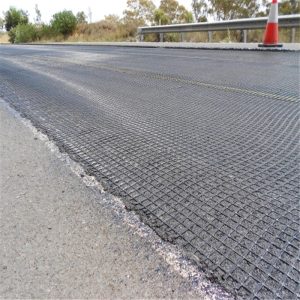
One of the biggest issues in road rehabilitation is reflective cracking—where old cracks underneath eventually show up through the new asphalt layer. Fiberglass geogrids intercept and dissipate the stress before it reaches the surface, significantly slowing or preventing crack formation.
In independent field studies, roads reinforced with fiberglass geogrids showed up to 60% fewer cracks after five years compared to roads without reinforcement.
?️ Bottom line: Fewer cracks = fewer complaints, fewer repairs, and longer-lasting pavement.
? Fiberglass vs. Polyester & Polypropylene Geogrids: What’s the Difference?
Let’s compare the main geogrid types used in civil engineering and asphalt reinforcement.
| Feature | Fiberglass | Polyester | Polypropylene (PP) |
|---|---|---|---|
| Tensile Strength | ⭐⭐⭐⭐⭐ Excellent (immediate) | ⭐⭐⭐ Good (builds over time) | ⭐⭐ Low |
| Stretch Under Load | ? Very Low (Stiff) | ? Moderate | ?? High (Elastic) |
| UV Resistance | ⭐⭐⭐⭐ Excellent | ⭐⭐ Moderate | ⭐ Moderate |
| Heat Resistance | ⭐⭐⭐⭐ Excellent | ⭐⭐ Moderate | ⭐ Good |
| Best Use | Asphalt overlays & roads | Soil walls & slopes | Subgrade stabilization |
| Durability in Harsh Conditions | ? Best | Good | Fair |
| Long-Term Value | High (long lifespan, fewer repairs) | Medium | Low |
? Key Insight:
-
Fiberglass is ideal where rigid, high-strength support is needed, such as in roads and runways.
-
Polyester is better for slow-deforming structures like retaining walls.
-
PP geogrids are more flexible and suitable for soft soil stabilization—but not ideal for rigid asphalt.
? Cost vs. Value: Fiberglass Pays Off Over Time
While fiberglass geogrids may have a slightly higher initial cost, the long-term savings are significant:
-
Reduced cracking = less frequent repairs
-
Longer pavement life = fewer overlays
-
Lower maintenance = better life-cycle cost performance
Think of it as an investment: Pay a little more now to save a lot later.
? Bottom line: The roads stay stronger for longer, with fewer disruptions and repair costs.
?️ Ideal Applications for Fiberglass Geogrids
Fiberglass geogrids can be used in almost any asphalt paving scenario, including:
-
Highways & Expressways: Handle heavy traffic and truckloads without rutting
-
Urban Streets: Prevent cracking and potholes from daily vehicle pressure
-
Airport Runways & Taxiways: Withstand jet blast, heat, and frequent aircraft loads
-
Bridge Decks: Reduce weight while adding durability to deck overlays
-
Industrial Roads & Parking Lots: Withstand constant traffic, forklifts, and turning movements
? Wherever strength, performance, and long-term durability are critical, fiberglass geogrids deliver.
? Conclusion: The Smart Choice for Asphalt Reinforcement
Choosing the right reinforcement material can make the difference between a road that lasts 10 years and one that starts failing in just 3 or 4. Fiberglass geogrids are the smart, reliable choice for engineers and contractors who want performance they can count on.
✅ Fiberglass geogrids:
-
Deliver superior strength and stiffness to handle heavy traffic
-
Reduce reflective cracking and surface deformation
-
Perform in harsh environments with heat, UV, and chemicals
-
Save money over time by extending pavement life and cutting repair costs
While polyester and PP geogrids are useful in other civil engineering applications (such as retaining walls and soil stabilization), fiberglass geogrids are unmatched when it comes to asphalt overlay and pavement reinforcement.
? Build Roads That Last
At Feicheng Lianyi Engineering Plastics Co., Ltd., we manufacture high-performance fiberglass geogrids that are trusted in thousands of road and airport projects worldwide. If you’re looking to build longer-lasting, lower-maintenance, and more cost-effective roads—fiberglass geogrids are your solution.
