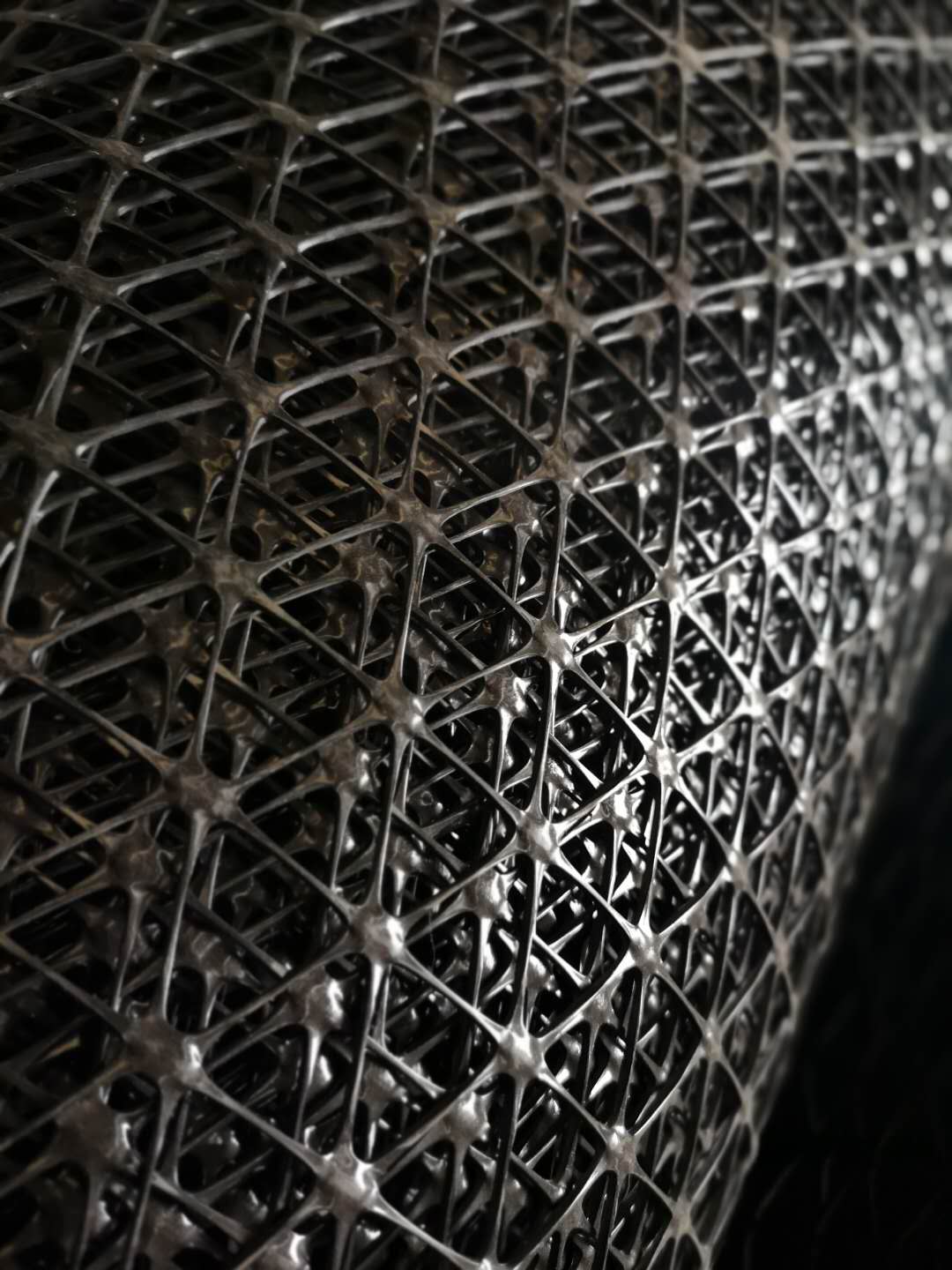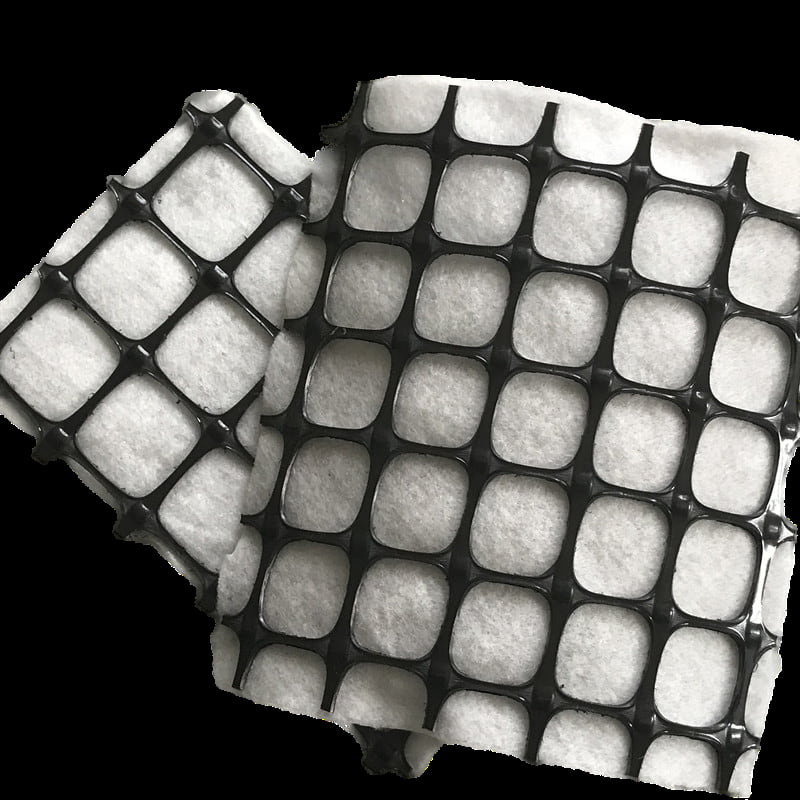

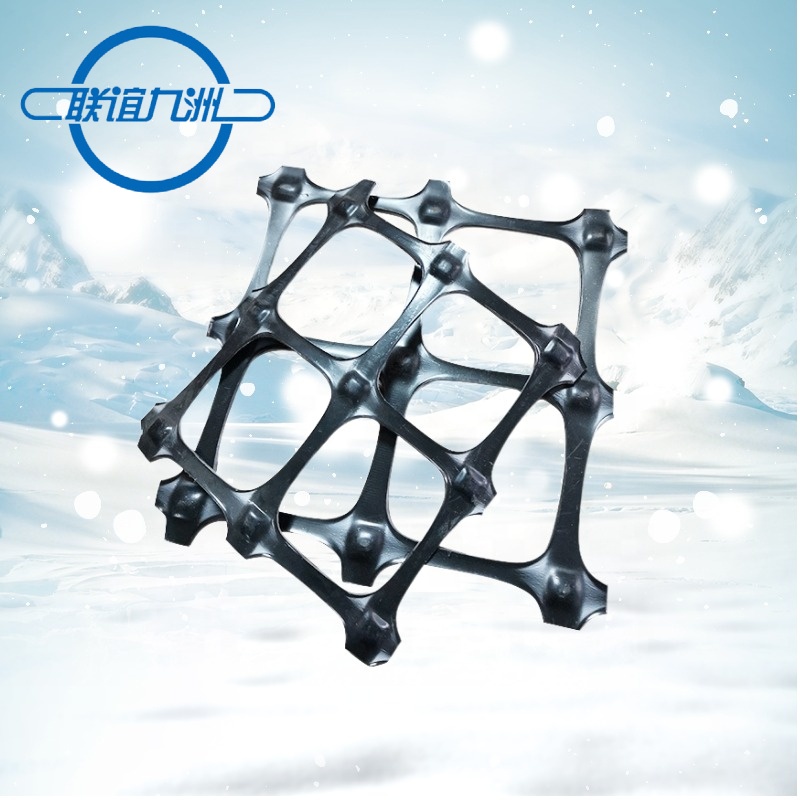

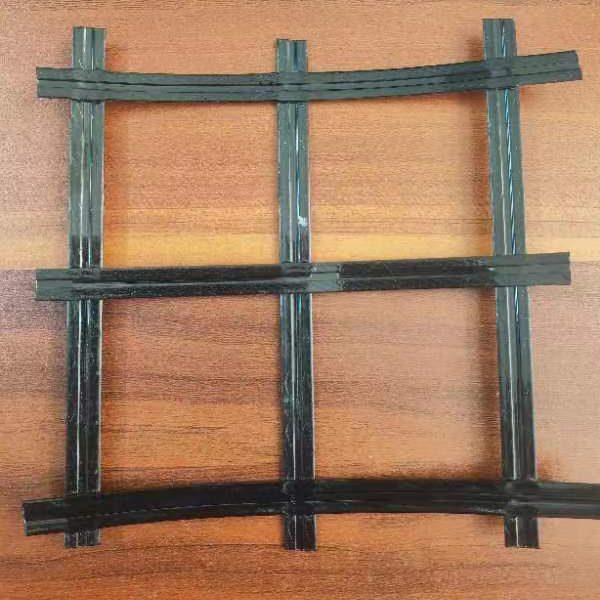
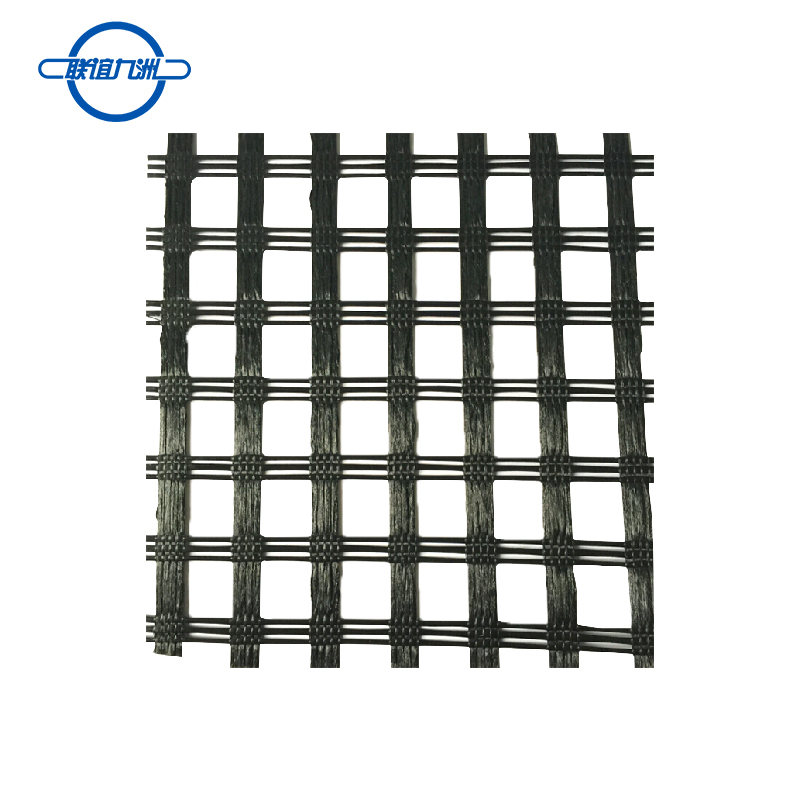
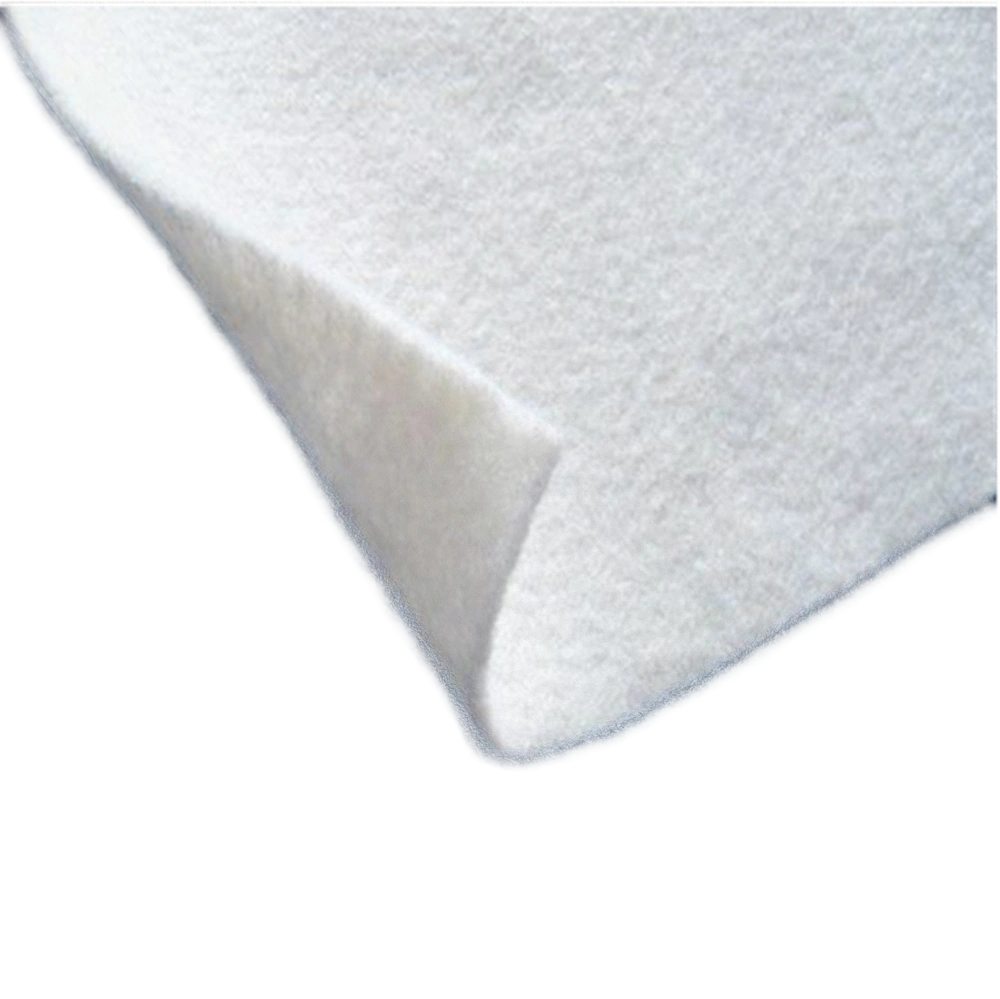

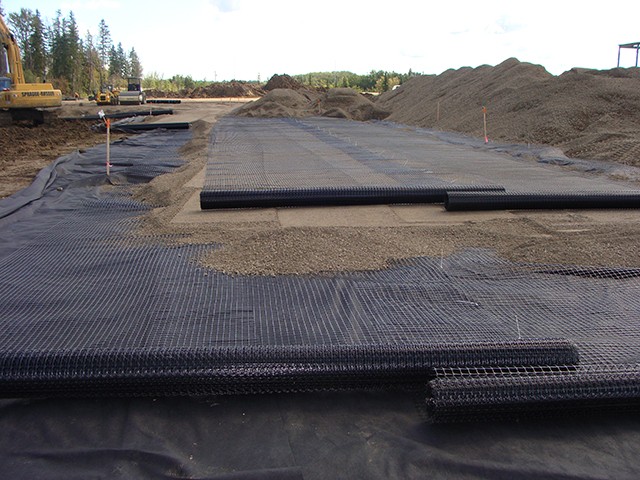
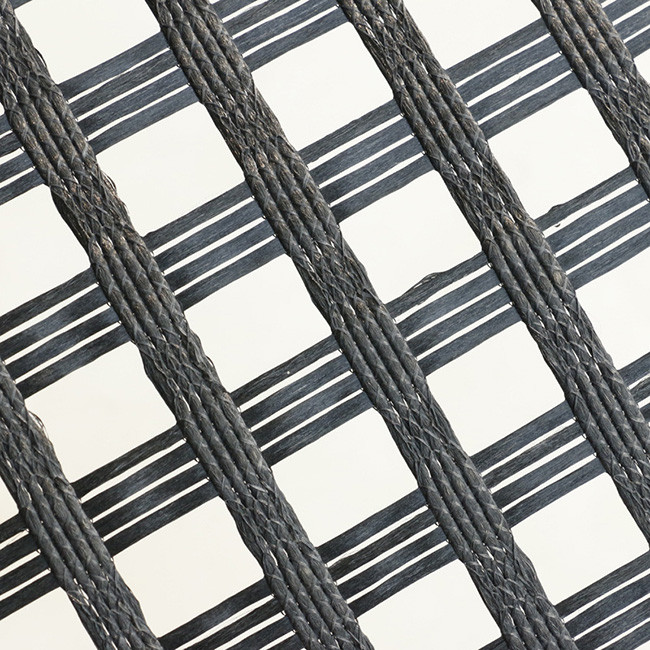
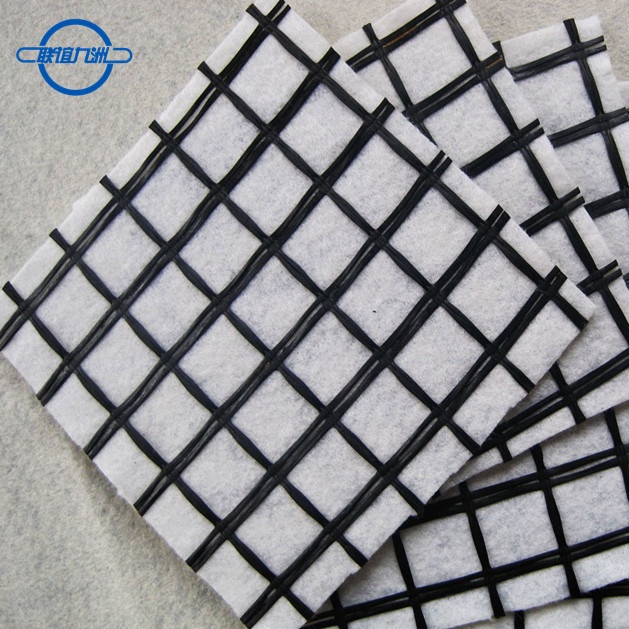


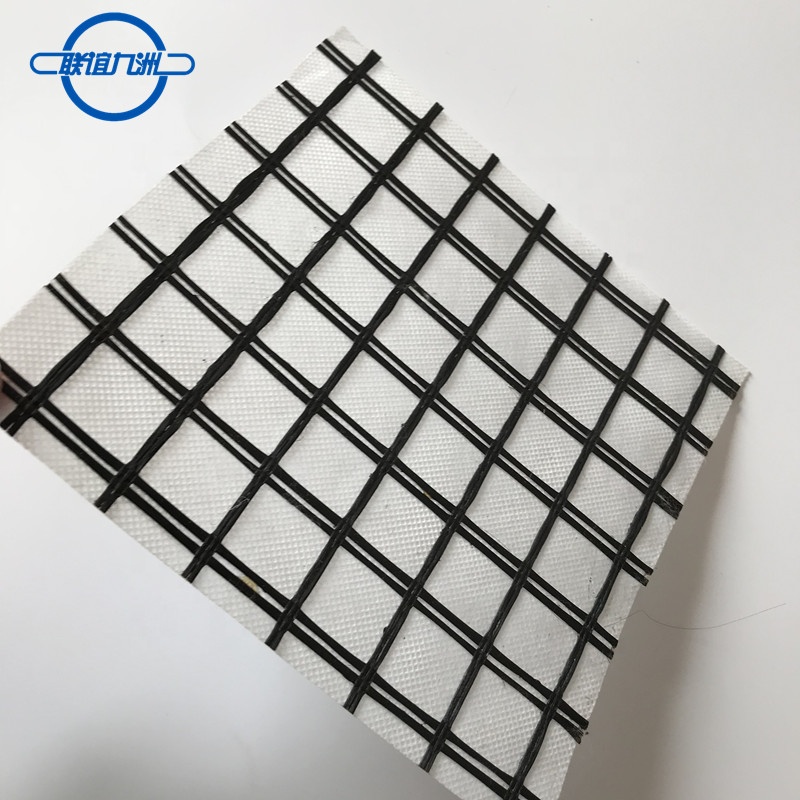
Fiberglass geogrid composite with nonwoven geotextile
Fiberglass geogrid composite with nonwoven geotextile is designed as a material of geocomposite which offers core performances of reinforcement (geogrid) and filatration, seperation, drainge (geotextile). Combining fiberglass geogrids with geotextiles creates a versatile and high-performance composite material that can address multiple engineering challenges in construction and geotechnical applications. Here’s a detailed overview of this composite material, including its properties, benefits, and applications:
Properties of Fiberglass Geogrid and Geotextile Composite
- Fiberglass Geogrid:
- High Tensile Strength: Provides excellent reinforcement, capable of supporting substantial loads without stretching.
- Low Elongation: Maintains structural integrity and ensures effective load distribution.
- Thermal Stability: Resistant to temperature variations, making it suitable for applications involving heat, such as asphalt reinforcement.
- Chemical and Biological Resistance: Durable in harsh environmental conditions, resisting degradation from chemicals and biological agents.
- Geotextile:
- Filtration and Separation: Prevents soil migration while allowing water to pass through, enhancing drainage and preventing soil erosion.
- Additional Reinforcement: Adds to the overall strength and stability of the composite.
- Protection: Shields the geogrid from damage during installation and in service.
- Versatility: Available in woven, nonwoven, and knitted forms, each offering different characteristics such as strength, permeability, and durability.
Benefits of Fiberglass Geogrid and Geotextile Composite
This combination of fiberglass geogrid and geotextile offer several advantages when installed for reinforcement purpose.
- Enhanced Soil Stabilization and Reinforcement:
- The combination provides superior reinforcement for soils and aggregates, improving load-bearing capacity and preventing deformation.
- Improved Drainage and Filtration:
- Geotextiles enhance the composite’s ability to filter water and maintain proper drainage, reducing water pressure buildup and preventing soil erosion.
- Extended Service Life:
- The durability of fiberglass and the protective nature of geotextiles extend the lifespan of the composite, resulting in long-term performance with minimal maintenance.
- Cost-Effectiveness:
- Reduced maintenance and longer service life contribute to overall cost savings.
- The ease of installation reduces labor and equipment costs.
- Versatility in Applications:
- Suitable for a wide range of applications, including road construction, mining, slope stabilization, and erosion control.
1. Superior Soil Reinforcement
- High Tensile Strength: The fiberglass geogrid provides exceptional tensile strength, reinforcing weak soils and enhancing their load-bearing capacity.
- Reduced Deformation: By stabilizing the soil, the geogrid minimizes lateral spreading and deformation, which is crucial for maintaining structural integrity.
2. Effective Load Distribution
- Even Load Distribution: The composite material helps distribute loads evenly across the soil, reducing stress concentrations and preventing pavement failures such as rutting and cracking.
- Extended Pavement Life: By reducing the stress on the subgrade, the composite material extends the lifespan of pavements and other structures.
3. Improved Separation and Filtration
- Geotextile Benefits: The nonwoven geotextile component provides separation between different soil layers, preventing the mixing of aggregates with subgrade soil.
- Effective Filtration: It allows water to pass through while retaining soil particles, which is crucial for maintaining drainage and preventing soil erosion.
4. Durability and Longevity
- Chemical and Thermal Resistance: Fiberglass geogrids are resistant to chemical degradation and temperature variations, ensuring long-term performance even in harsh environments.
- Enhanced Stability: The composite material’s durability makes it suitable for various applications, including areas with heavy loads and high traffic.
Applications
- Road Construction:
- Used in base and sub-base layers to reinforce the pavement structure, improving stability and extending the road’s lifespan.
- Helps in reducing maintenance costs by preventing pavement failures.
- Embankments and Slopes:
- Stabilizes slopes and embankments, preventing landslides and soil erosion.
- Enhances the structural integrity of embankments, particularly in areas with weak soils.
- Retaining Walls:
- Provides additional strength and stability to retaining walls, reducing the risk of structural failures.
- Manages water pressure behind the walls by ensuring effective drainage.
The combination of fiberglass geogrids and geotextiles creates a powerful composite material that offers superior reinforcement, filtration, and separation properties. This composite is highly beneficial for various construction and geotechnical applications, providing enhanced performance, durability, and cost-effectiveness. By leveraging the strengths of both materials, engineers and contractors can address complex engineering challenges and achieve long-term success in their projects.