

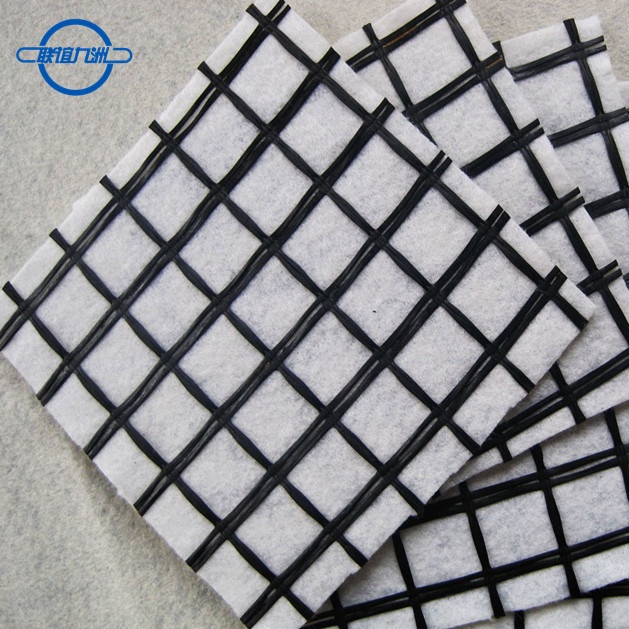
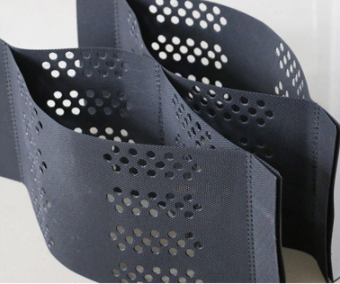
Civil engineering has evolved significantly over the past few decades, with advancements in materials and technologies playing a crucial role in the development of more efficient and durable infrastructure. One such innovation that has made a substantial impact in the field is the use of geogrids, particularly the PP extruded geogrid BX1200. This article delves into the characteristics, applications, and benefits of the BX1200 geogrid, highlighting its importance in soil stabilization and reinforcement.
Introduction to Geogrids
Geogrids are a type of geosynthetic material used primarily in civil engineering projects to reinforce soils and similar materials. They are composed of polymers such as polypropylene (PP), polyethylene (PE), or polyester (PET). Geogrids are characterized by their grid-like structure, which provides high tensile strength and aids in the distribution of loads over a larger area, thereby enhancing the stability and longevity of structures built on or with soil.
Understanding PP Extruded Geogrid BX1200
The PP extruded geogrid BX1200 is a biaxial geogrid, meaning it reinforces both the longitudinal and transverse directions. This specific geogrid is manufactured through an extrusion process, which involves forcing molten polypropylene through a die to form a continuous sheet that is then stretched to create a grid structure. The BX1200 model boasts a tensile strength of 30 kN/m in the longitudinal direction and 20 kN/m in the transverse direction, making it an excellent choice for a variety of soil reinforcement applications.
Key Features of BX1200
- High Tensile Strength: The PP extruded geogrid’s tensile strength is one of its most notable features. With 30 kN/m in the longitudinal direction and 20 kN/m in the transverse direction, it can effectively withstand significant loads, ensuring stability and durability in various applications.
- Biaxial Reinforcement: As a biaxial geogrid, the BX1200 reinforces two directions. This characteristic is particularly beneficial in applications where multi-directional forces are at play, such as in road construction or foundation stabilization.
- Durability: Made from high-quality polypropylene, the BX1200 geogrid is resistant to chemical and biological degradation, ensuring a long service life even in harsh environmental conditions.
- Ease of Installation: The lightweight and flexible nature of the BX1200 geogrid makes it easy to handle and install, reducing labor costs and project timelines.
Applications of PP Extruded Geogrid in Civil Engineering
The BX1200 geogrid is versatile and can be used in a wide range of civil engineering projects. Some of the most common applications include:
- Road Construction: In road construction, the BX1200 geogrid is used to stabilize the subgrade and distribute loads evenly, preventing rutting and extending the lifespan of the road. It is particularly useful in areas with weak or variable soil conditions.
- Embankment Reinforcement: The BX1200 geogrid provides essential support for embankments, preventing soil erosion and improving the overall stability of the structure. This is especially important in the construction of highways, railways, and retaining walls.
- Foundation Stabilization: In foundation construction, the BX1200 geogrid is used to reinforce the soil, ensuring a stable and secure base for buildings and other structures. This application is crucial in areas with soft or unstable soils.
- Landfills and Waste Containment: Geogrids like the PP extruded geogrid are used in the construction of landfills and waste containment systems to provide reinforcement and prevent differential settlement, ensuring the integrity of the containment system.

Benefits of Using PP Extruded Geogrid
The use of the BX1200 geogrid in civil engineering projects offers numerous benefits, including:
- Improved Load Distribution: The high tensile strength and biaxial nature of the BX1200 geogrid allow for effective load distribution, reducing the risk of soil failure and enhancing the stability of the structure.
- Cost Savings: By reinforcing the soil and improving its load-bearing capacity, the PP extruded geogrid can reduce the need for extensive excavation and the use of expensive fill materials, leading to significant cost savings.
- Environmental Benefits: The use of geogrids can reduce the environmental impact of construction projects by minimizing the need for raw materials and reducing soil disturbance. Additionally, the durability and longevity of the BX1200 geogrid contribute to more sustainable construction practices.
- Increased Durability: Structures reinforced with the PP extruded geogrid are more resistant to deformation and failure, resulting in longer-lasting and more resilient infrastructure.
- Versatility: The BX1200 geogrid can be used in a wide range of applications, making it a versatile and valuable tool for civil engineers.
Case Studies and Real-world Applications
To better understand the impact of the PP extruded geogrid, let’s explore a few real-world case studies where this geogrid has been successfully implemented.
- Highway Construction in Soft Soils: In a highway construction project in a region with soft and unstable soils, the BX1200 geogrid was used to reinforce the subgrade. The geogrid’s high tensile strength and biaxial reinforcement properties allowed for the even distribution of loads, preventing rutting and extending the lifespan of the highway. The project saw a significant reduction in maintenance costs and improved overall road performance.
- Reinforcement of Retaining Walls: In a project involving the construction of a large retaining wall, the BX1200 geogrid was used to reinforce the backfill material. The geogrid provided the necessary support to prevent soil erosion and ensure the stability of the retaining wall. The result was a durable and stable structure that effectively retained soil and prevented landslides.
- Landfill Construction: In a landfill construction project, the PP extruded geogrid was used to reinforce the base and prevent differential settlement. The geogrid’s durability and resistance to chemical and biological degradation ensured the long-term integrity of the landfill, providing a secure containment system for waste materials.
Installation and Best Practices
To achieve the best results with the BX1200 geogrid, it is essential to follow proper installation procedures and best practices. Here are some key steps to ensure effective installation:
- Site Preparation: Before installing the geogrid, the site should be properly prepared. This includes clearing vegetation, removing debris, and grading the area to create a smooth and level surface.
- Geogrid Placement: The PP extruded geogrid should be unrolled and placed directly on the prepared surface. It is important to ensure that the geogrid is oriented correctly, with the longitudinal direction aligned with the primary direction of the load.
- Overlap and Securing: When multiple rolls of geogrid are used, they should be overlapped by at least 0.3 meters to ensure continuity and effective load transfer. The geogrid should be secured in place using stakes or pins to prevent movement during the placement of fill materials.
- Fill Placement: Once the geogrid is in place, the fill material can be placed on top. It is important to place the fill material in layers and compact it thoroughly to ensure proper interlocking with the geogrid and effective load distribution.
- Quality Control: Regular inspections should be conducted during the installation process to ensure that the geogrid is properly placed and secured. Any issues should be addressed promptly to avoid compromising the integrity of the reinforcement.
Future Trends and Innovations
The use of PP extruded geogrid in civil engineering is expected to continue growing, driven by the need for more sustainable and cost-effective construction solutions. Several trends and innovations are shaping the future of geogrid technology:
- Advanced Materials: Research and development efforts are focused on creating geogrids from advanced materials that offer even higher tensile strength, improved durability, and greater resistance to environmental degradation.
- Smart Geogrids: The integration of sensor technology into geogrids is an emerging trend. Smart geogrids can provide real-time data on soil conditions and structural performance, enabling more proactive maintenance and improved safety.
- Sustainable Solutions: There is a growing emphasis on developing geogrids that are more environmentally friendly, including those made from recycled materials or biodegradable polymers. These innovations aim to reduce the environmental impact of construction projects while maintaining high performance.
- Customization and Design: Advances in manufacturing technology are allowing for greater customization of geogrids to meet specific project requirements. This includes the ability to design geogrids with varying mesh sizes, tensile strengths, and other properties tailored to specific applications.
Conclusion
The PP extruded geogrid is a versatile and valuable tool in the field of civil engineering. Its high tensile strength, biaxial reinforcement, and durability make it an excellent choice for soil stabilization and reinforcement in a wide range of applications. By improving load distribution, reducing costs, and enhancing the longevity of structures, the BX1200 geogrid plays a crucial role in the development of more resilient and sustainable infrastructure.
As technology continues to advance, the use of geogrids like the BX1200 is likely to expand, driven by the need for innovative solutions to meet the challenges of modern construction. Whether in road construction, foundation stabilization, or waste containment, the PP extruded geogrid is poised to remain a key component in the toolkit of civil engineers, contributing to the creation of safer, more durable, and more efficient infrastructure for the future.
