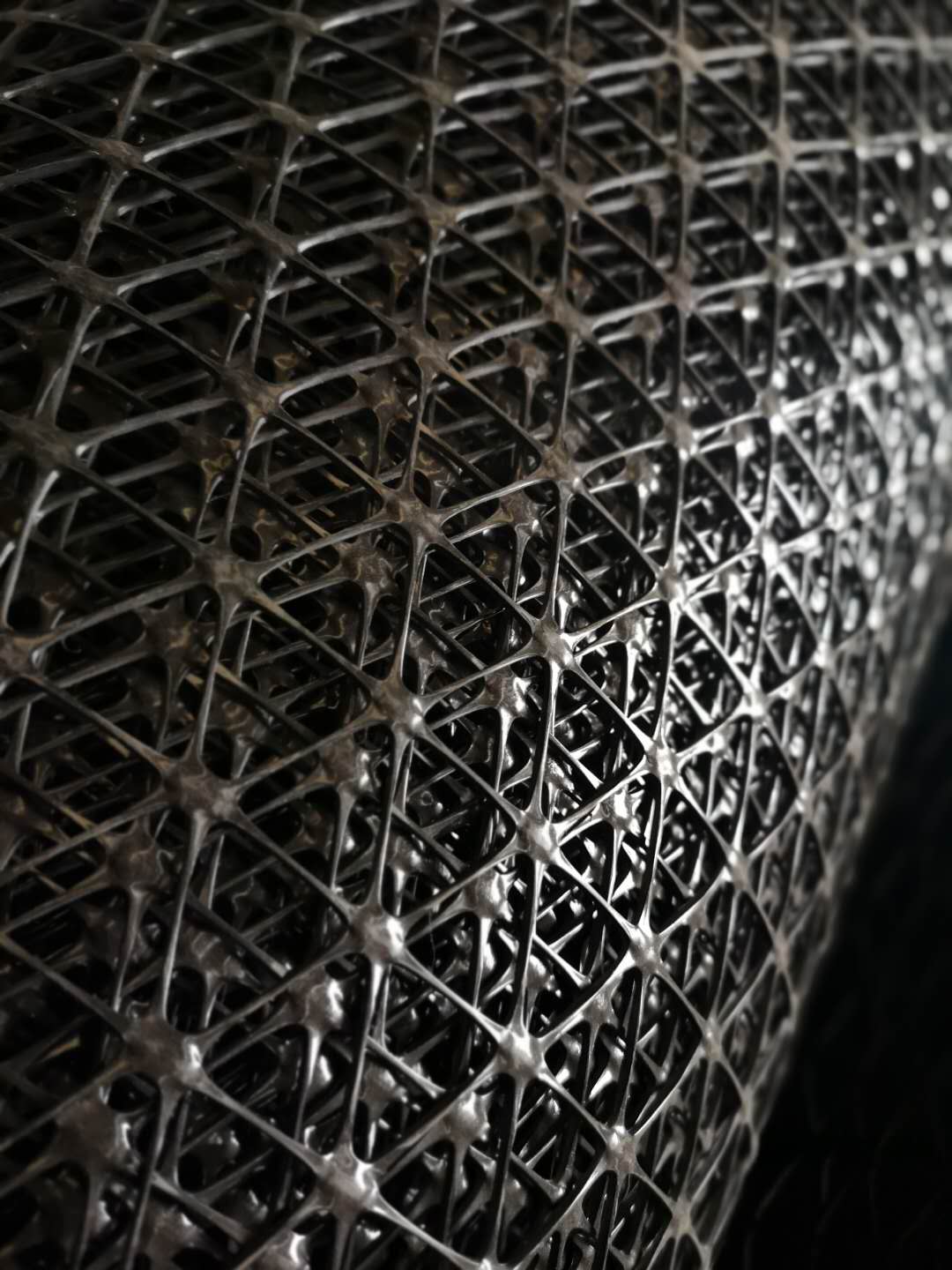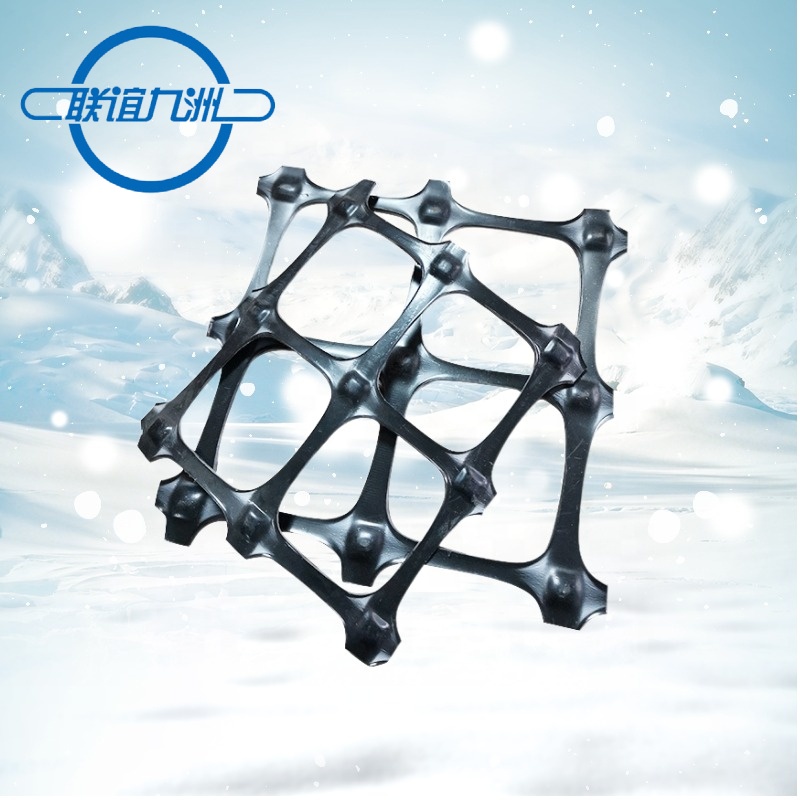
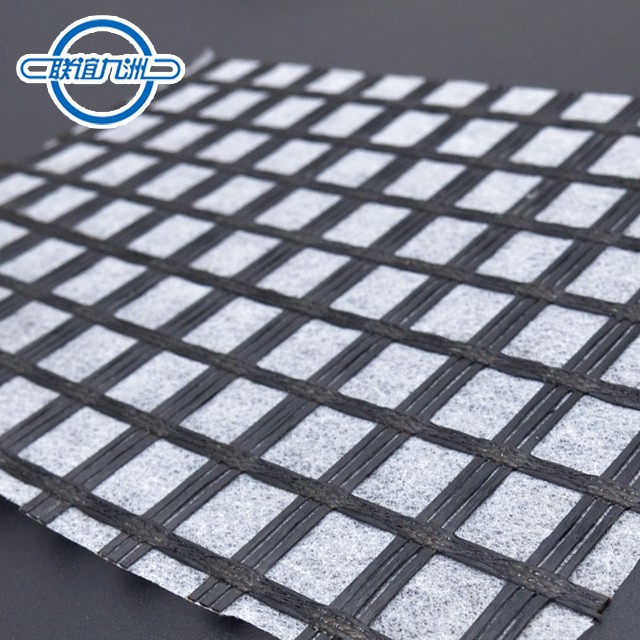


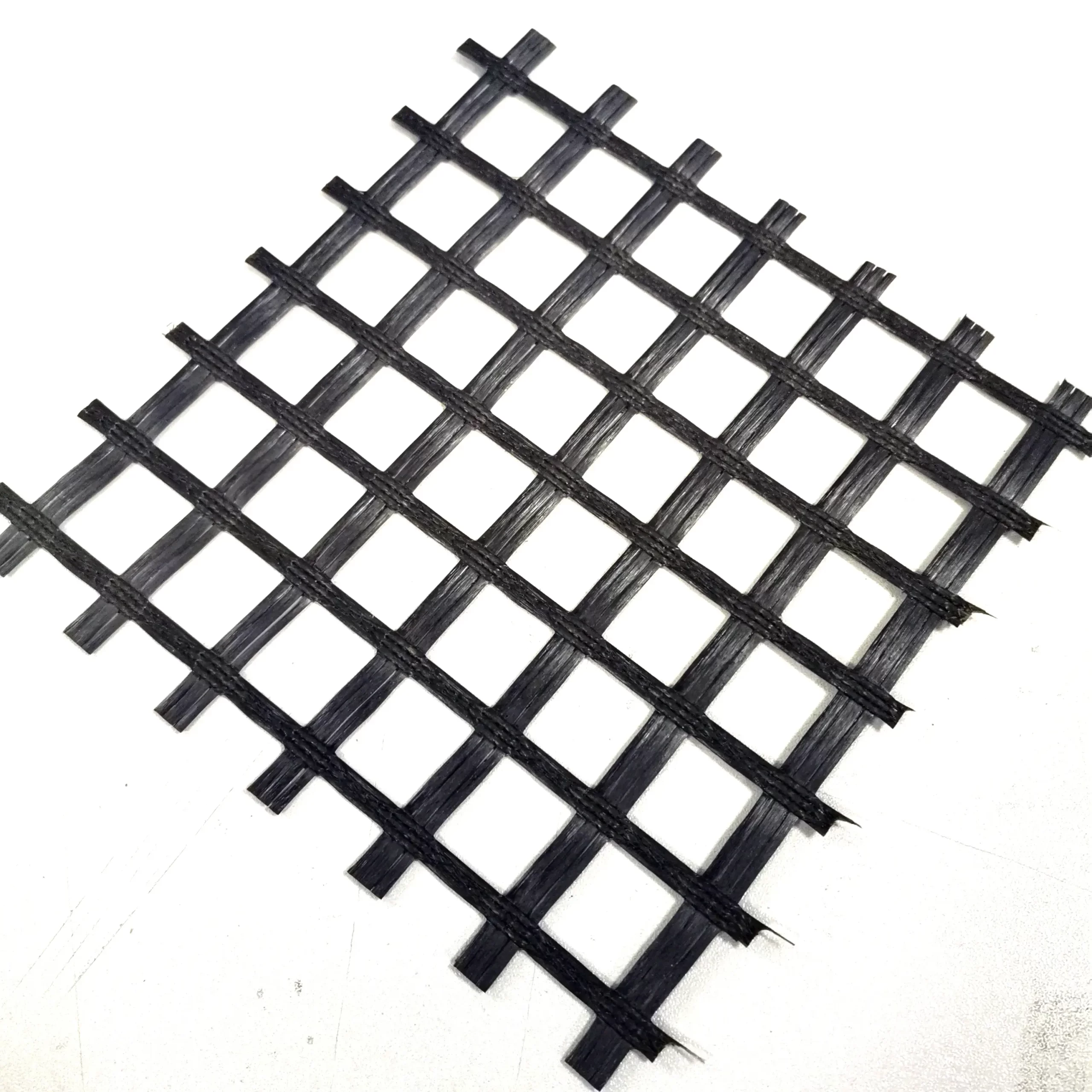

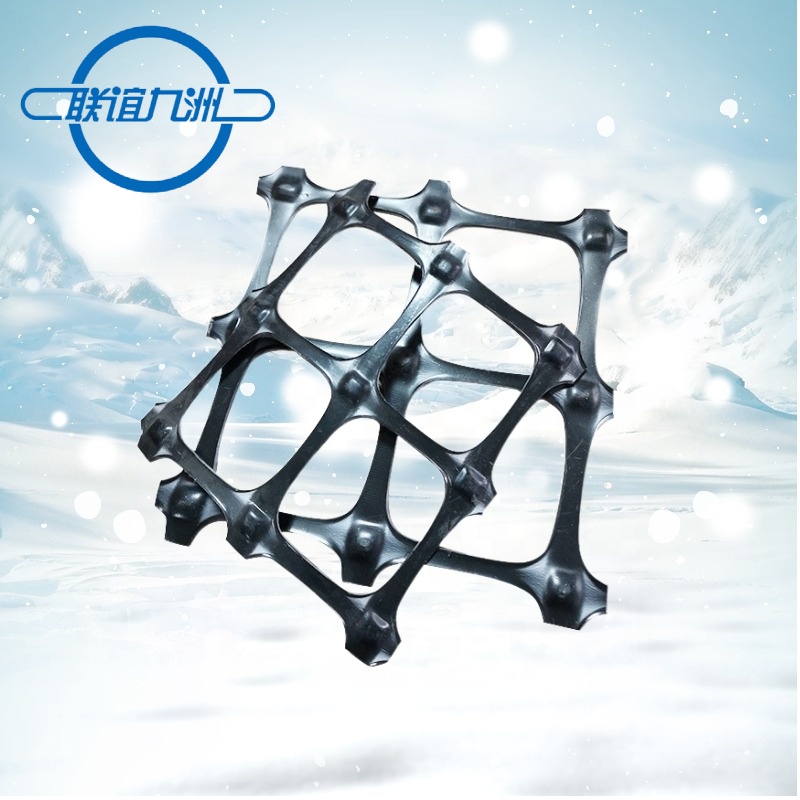


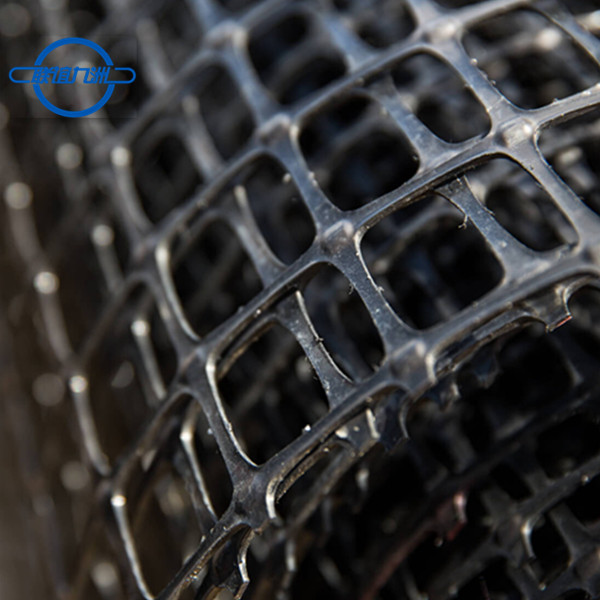
Polypropylene Biaxial Geogrid for Mine
Key Features of PP Extruded Mesh for Coal Mining:
- Material: Made from high-quality polypropylene (PP), providing excellent mechanical properties.
- Manufacturing Process: Extruded to form a continuous, uniform mesh with consistent aperture size.
- Tensile Strength: High tensile strength in both longitudinal and transverse directions.
- Durability: Resistant to chemicals, moisture, and UV radiation.
Common Mining Applications:
-
False Roof and Tunnel Support: For stabilizing temporary roof structures in underground mining, PP biaxial geogrids reinforce and distribute loads effectively.
-
Tailings Storage and Embankments: They help stabilize embankments, preventing erosion and controlling the risk of failure in tailings ponds.
-
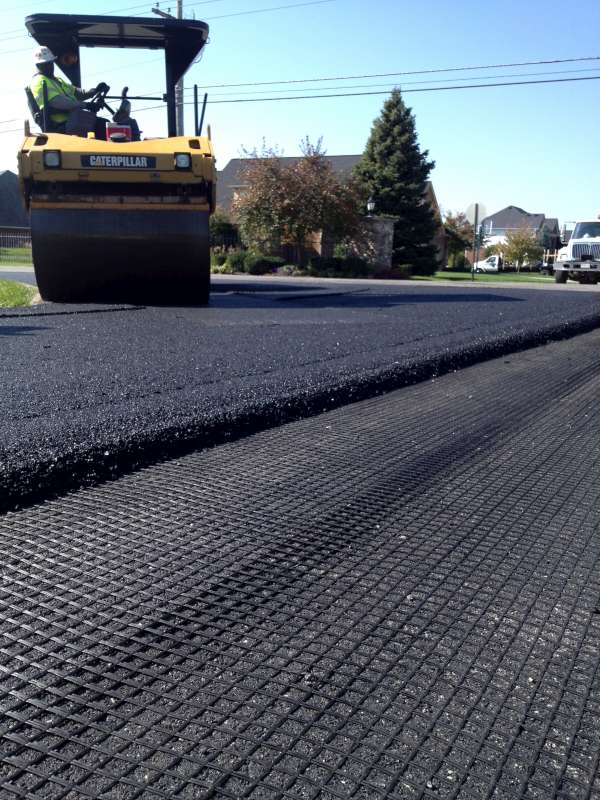
Haul Road Reinforcement: Reinforcing haul roads used by heavy mining equipment to prevent rutting and surface deformation.
-
Slope Stabilization: Used in open-pit mining for stabilizing steep slopes and preventing rockfalls.
Advantages of Polypropylene Biaxial Geogrids in Mining:
-
High Load-Bearing Capacity: Polypropylene biaxial geogrids offer excellent tensile strength in both the machine and cross-machine directions. This provides exceptional load-bearing capacity, crucial for reinforcing the soil and preventing soil or structure failure in mining environments.
-
Stabilization of Ground: In mining, ground stability is critical. These geogrids help stabilize soil and rock surfaces, particularly in areas prone to shifting or erosion. This is especially useful in tailings storage, haul roads, and embankments in open-pit mining or other mining infrastructure.
-
Improved Road and Platform Reinforcement: In mining operations, road construction and maintenance are essential. PP biaxial geogrids help reinforce roads, platforms, and access routes by distributing weight more evenly, improving the longevity and structural integrity of roads that undergo heavy equipment traffic.
-
Cost-Efficiency: PP biaxial geogrids are more affordable than alternative methods like concrete or steel mesh for ground reinforcement. Their lightweight nature reduces transportation and installation costs, making them an economic choice for mining projects.
-
Durability in Harsh Conditions: Polypropylene is highly resistant to environmental conditions, including moisture, chemicals, and UV radiation. This resistance makes PP biaxial geogrids highly suitable for mining environments where exposure to water, chemicals, and harsh conditions is common.
-
Easy Installation: These geogrids are easy to handle, lightweight, and require less manpower for installation compared to heavier reinforcement materials. This speeds up construction and reduces labor costs.
-
Environmental Benefits: By reducing the need for heavier, resource-intensive materials, polypropylene geogrids are an environmentally friendly option in mining operations. They contribute to the sustainability of mining projects by enhancing soil stabilization without the need for extensive excavation or material usage.
Example Specification for PP Extruded Mesh for Coal Mining:
- Material: High-strength polypropylene (PP)
- Aperture Size: Typically ranges from 25 mm to 100 mm
- Tensile Strength: Varies depending on the application, commonly between 20 kN/m to 100 kN/m
- Roll Width: Usually available in widths of 1.5 m to 4 m
- Roll Length: Generally available in lengths of 50 m to 100 m
- Weight: Varies based on tensile strength and aperture size, typically ranging from 200 g/m² to 600 g/m²
Using PP (Polypropylene) extruded geogrids in mining applications demands high standards and rigorous quality control to ensure the products meet the necessary durability, performance, and safety requirements. Here is an overview of the manufacturing standards and quality control processes specific to PP extruded geogrids used in mining:
Manufacturing Standards
- Raw Material Quality
- Polypropylene (PP): Utilization of high-quality virgin or recycled PP resins, with necessary additives to enhance UV resistance, chemical stability, and overall durability.
- Standards Compliance: Raw materials should comply with international standards such as ASTM D4759, ISO 9001, and other relevant specifications to ensure quality and consistency.
- Extrusion Process
- Extrusion Technology: Advanced extrusion technology ensures uniformity in the geogrid’s structure. The molten PP is extruded through a die to form a grid-like pattern.
- Temperature and Pressure Control: Precise control of temperature and pressure during extrusion to maintain the mechanical properties and integrity of the geogrid.
- Die Design: Custom-designed dies ensure consistent aperture size and shape, crucial for load distribution and stability in mining applications.
- Stretching and Orientation
- Biaxial Stretching: The extruded geogrid is stretched in both the longitudinal and transverse directions to orient the polymer molecules, enhancing tensile strength and stiffness.
- Controlled Conditions: Stretching is performed under controlled conditions to achieve the desired mechanical properties.
- Aperture Size and Shape
- Uniform Apertures: Ensuring consistent aperture size and shape for effective interlocking with the mining materials.
- Custom Sizes: Ability to produce geogrids with customized aperture sizes to meet specific mining application requirements.
- Thickness and Weight
- Uniform Thickness: Maintaining consistent thickness and weight across the geogrid to ensure uniform performance and load distribution.
- Quality Checks: Regular checks during production to ensure these parameters are within specified tolerances.
Specific Standards for Mining Applications
- ASTM D4759
- Standard practice for determining the specification conformance of geosynthetics.
- Ensures the geogrid meets the mechanical and physical property requirements.
- ISO 10318
- Specifies terminology and classification for geosynthetics.
- Ensures consistent definitions and classifications are used.
- ISO 13426
- Test method for the installation damage resistance of geosynthetics.
- Ensures the geogrid can withstand the stresses of installation in a mining environment.
- EN 13249
- Geotextiles and geotextile-related products used in the construction of roads and other trafficked areas.
- Relevant for mining haul roads and other trafficked areas in mining operations.