


Polyester biaxial geogrid has become an increasingly popular choice in the construction industry, providing a reliable solution for soil reinforcement and stabilization. This geosynthetic material is made from high-strength polyester fibers coated with a polymer layer, forming a grid-like structure that distributes loads over a wider area. Its use is particularly beneficial in civil engineering projects such as road construction, embankment stabilization, retaining walls, and railway tracks. This article discusses the advantages of PVC coating polyester geogrid in construction, highlighting why it is a preferred choice for various applications.
What is Polyester Biaxial Geogrid?
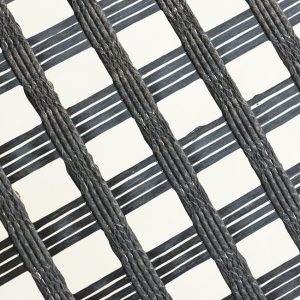
PVC coating polyester geogrid is a type of geosynthetic material designed for soil reinforcement. It consists of high-strength polyester fibers woven into a grid pattern and coated with a polymer to enhance durability and resistance to environmental factors. The “biaxial” characteristic refers to the geogrid’s ability to provide strength in two orthogonal directions – longitudinally and transversely – making it highly effective in stabilizing and reinforcing soil layers. Its open grid structure allows for efficient interlocking with the surrounding soil, thereby enhancing load distribution and increasing soil stability.
Advantages of Polyester Biaxial Geogrid in Construction
The benefits of using PVC coating polyester geogrid in construction projects are numerous, making it a valuable addition to the modern construction toolkit. Below are some of the key advantages:
- Improved Soil Reinforcement
Biaxial geogrid is highly effective in reinforcing weak or unstable soil. When laid in the soil, it distributes loads across a broader area, preventing localized stress points. This reinforcement is especially useful in areas with soft subgrades, where the soil’s natural bearing capacity may be insufficient to support heavy construction loads. By increasing the soil’s overall strength, PVC coating polyester geogrid reduces the risk of settlement and soil deformation, ensuring a more stable foundation.
- Enhanced Load-Bearing Capacity
One of the most significant advantages of polyester biaxial geogrid is its ability to increase the load-bearing capacity of the soil. The grid structure provides tensile strength in both horizontal directions, which helps distribute loads more evenly. This property is crucial for applications like road construction, where heavy vehicular traffic exerts continuous pressure on the pavement. With PVC coating polyester geogrid, the load-bearing capacity of the soil is significantly improved, leading to longer-lasting and more durable roadways.
- Cost-Effective Solution
Using polyester biaxial geogrid in construction can lead to substantial cost savings. By improving the load-bearing capacity of the soil, it reduces the need for expensive soil replacement or additional fill materials. This reduction in material requirements can lower the overall cost of construction projects. Additionally, the increased durability and lifespan of structures reinforced with PVC coating polyester geogrid reduce maintenance and repair costs over time.
- Reduced Thickness of Pavement Layers
In road construction, biaxial geogrid can help decrease the thickness of the required pavement layers. The geogrid’s reinforcing properties allow for thinner base or sub-base layers without compromising the structural integrity of the pavement. This not only lowers the cost of materials but also speeds up construction times, making it an efficient solution for large-scale projects.
- Increased Stability in Sloped Areas
Polyester biaxial geogrid is an ideal solution for slope stabilization. It prevents soil erosion and landslides by reinforcing the soil on embankments and sloped surfaces. The interlocking action of the geogrid with the soil reduces movement, providing greater stability to slopes and preventing the loss of topsoil. This feature is beneficial for road embankments, retaining walls, and other applications where slope stability is a concern.
- Enhanced Durability and Longevity
The durability of PVC coating polyester geogrid is one of its major advantages. The material is resistant to chemical degradation, UV radiation, and biological corrosion, making it suitable for use in a variety of environments. The protective polymer coating ensures that the geogrid retains its structural integrity over time, even when exposed to harsh conditions. This long-lasting performance results in structures that are more resistant to wear and tear, providing a longer service life.
- Minimized Risk of Soil Settlement
Polyester biaxial geogrid helps in controlling soil settlement by distributing the load over a larger area. This is particularly useful in areas with uneven soil conditions, where differential settlement can lead to structural damage. By reinforcing the soil, the geogrid reduces the chances of settlement and ensures that the construction remains level and stable. This property is advantageous in applications such as railway tracks and foundations, where stability is paramount.
- Environmentally Friendly
Biaxial geogrid is an environmentally friendly solution because it reduces the need for extensive earthmoving and the use of natural resources. By enhancing the soil’s natural properties, it minimizes the volume of material required for construction. Moreover, geogrids can be used in conjunction with recycled materials, further promoting sustainable construction practices. The reduced carbon footprint associated with PVC coating polyester geogrid makes it a suitable choice for projects aiming to achieve environmental compliance.
- Versatility in Different Construction Applications
The versatility of polyester biaxial geogrid makes it suitable for a wide range of construction applications. It can be used in roadways, railways, retaining walls, embankments, and drainage systems. Its ability to reinforce both flexible and rigid pavements enhances the performance of different types of infrastructure. Whether it is used for soil stabilization, load support, or erosion control, PVC coating polyester geogrid delivers consistent performance across various construction scenarios.
- Ease of Installation
Polyester biaxial geogrid is lightweight and easy to handle, which simplifies the installation process. It can be laid out quickly without the need for specialized equipment or techniques. The geogrid’s flexibility allows it to conform to the shape of the terrain, making it ideal for uneven or complex surfaces. This ease of installation helps reduce labor costs and project timelines, contributing to overall project efficiency.
Common Applications of Polyester Biaxial Geogrid in Construction
The use of PVC coating polyester geogrid is widespread in several construction sectors. Some of the most common applications include:
- Road Construction and Pavement Reinforcement
Polyester biaxial geogrid is used in the construction of roads and highways to reinforce base layers and improve pavement performance. It reduces rutting, cracking, and other forms of pavement distress, ensuring long-lasting road surfaces. - Embankment Stabilization
For embankments and slopes, PVC coating polyester geogrid provides stability by preventing soil erosion and enhancing slope resistance. It is commonly used in highway embankments, riverbanks, and land reclamation projects. - Railway Track Bed Stabilization
Polyester biaxial geogrid helps in stabilizing railway track beds by distributing loads more evenly and reducing ballast deformation. This results in a smoother and more stable rail track, enhancing safety and reducing maintenance requirements. - Retaining Wall Reinforcement
In retaining wall applications, biaxial geogrid provides additional support to the soil behind the wall, preventing wall failure due to soil pressure. It also helps in reducing the amount of backfill required, making the construction process more cost-effective. - Landfill and Waste Containment
Biaxial geogrid is used in landfill applications to reinforce liners and improve the stability of waste containment systems. It helps in preventing the shifting of materials and the formation of differential settlements.
Conclusion
Polyester biaxial geogrid offers numerous advantages in construction, from enhancing soil reinforcement and load-bearing capacity to providing cost-effective and environmentally friendly solutions. Its versatility, durability, and ease of installation make it a valuable material for various construction projects, including roadways, embankments, railways, and retaining walls. By improving the structural integrity of infrastructure and extending the lifespan of construction projects, biaxial geogrid continues to play a crucial role in modern civil engineering.
As construction demands continue to evolve, the adoption of innovative materials like biaxial geogrid will remain vital for building resilient and sustainable infrastructure. Understanding its benefits and applications allows engineers and project managers to make informed decisions that contribute to the long-term success of their projects.
