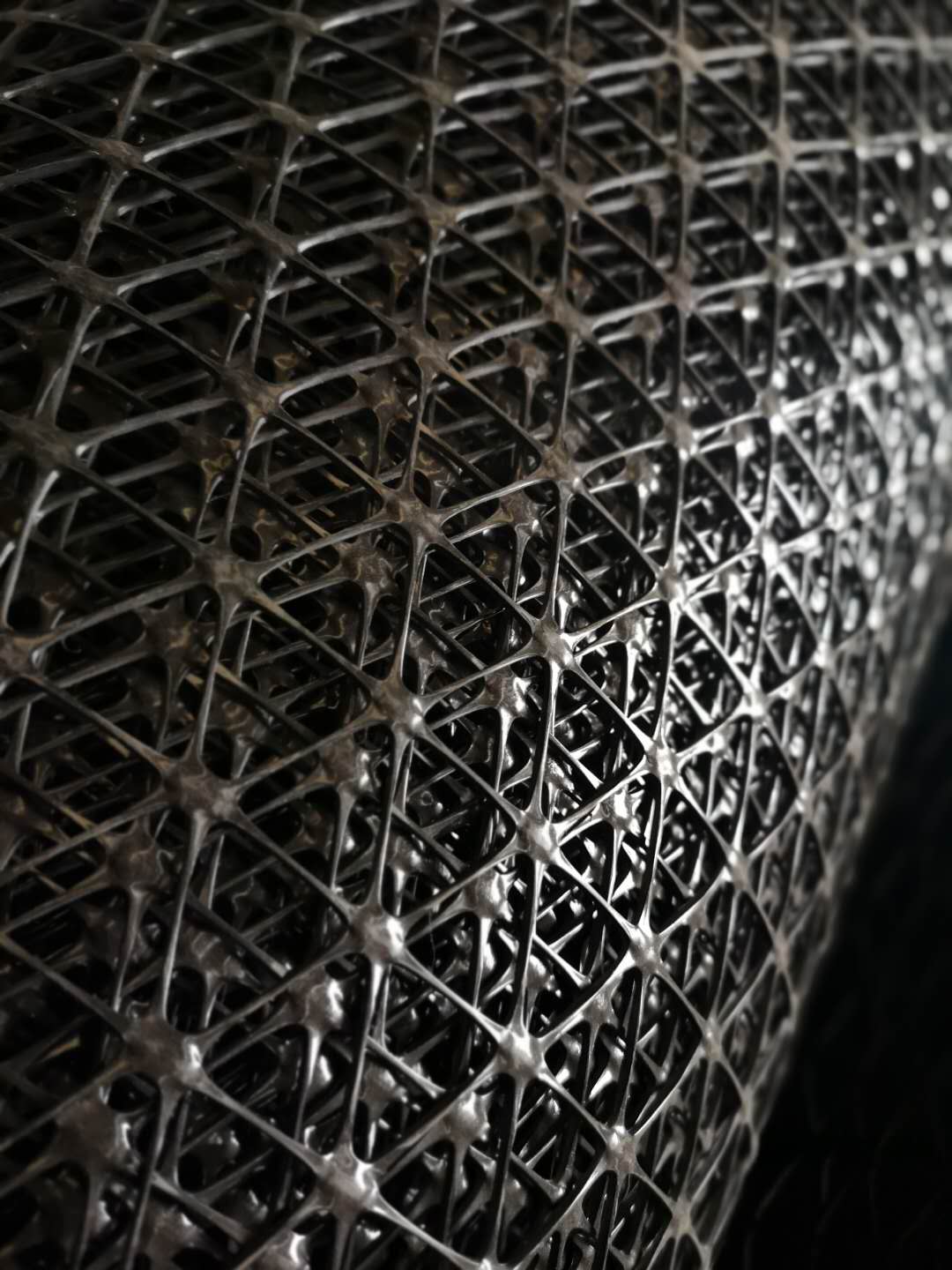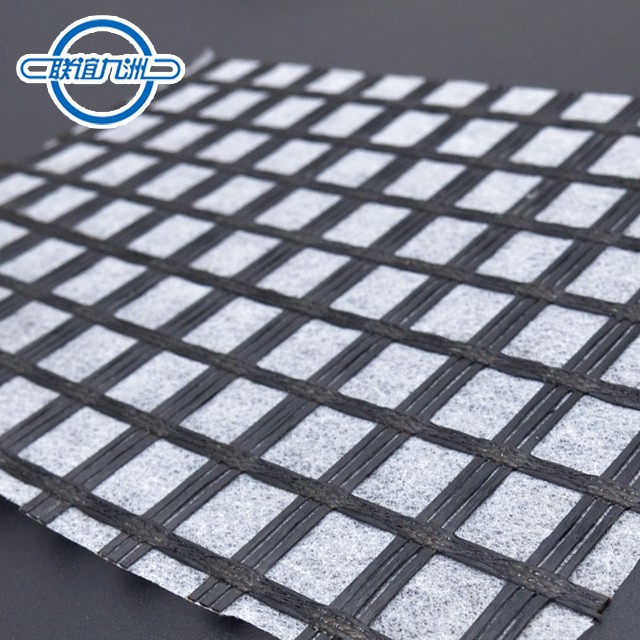
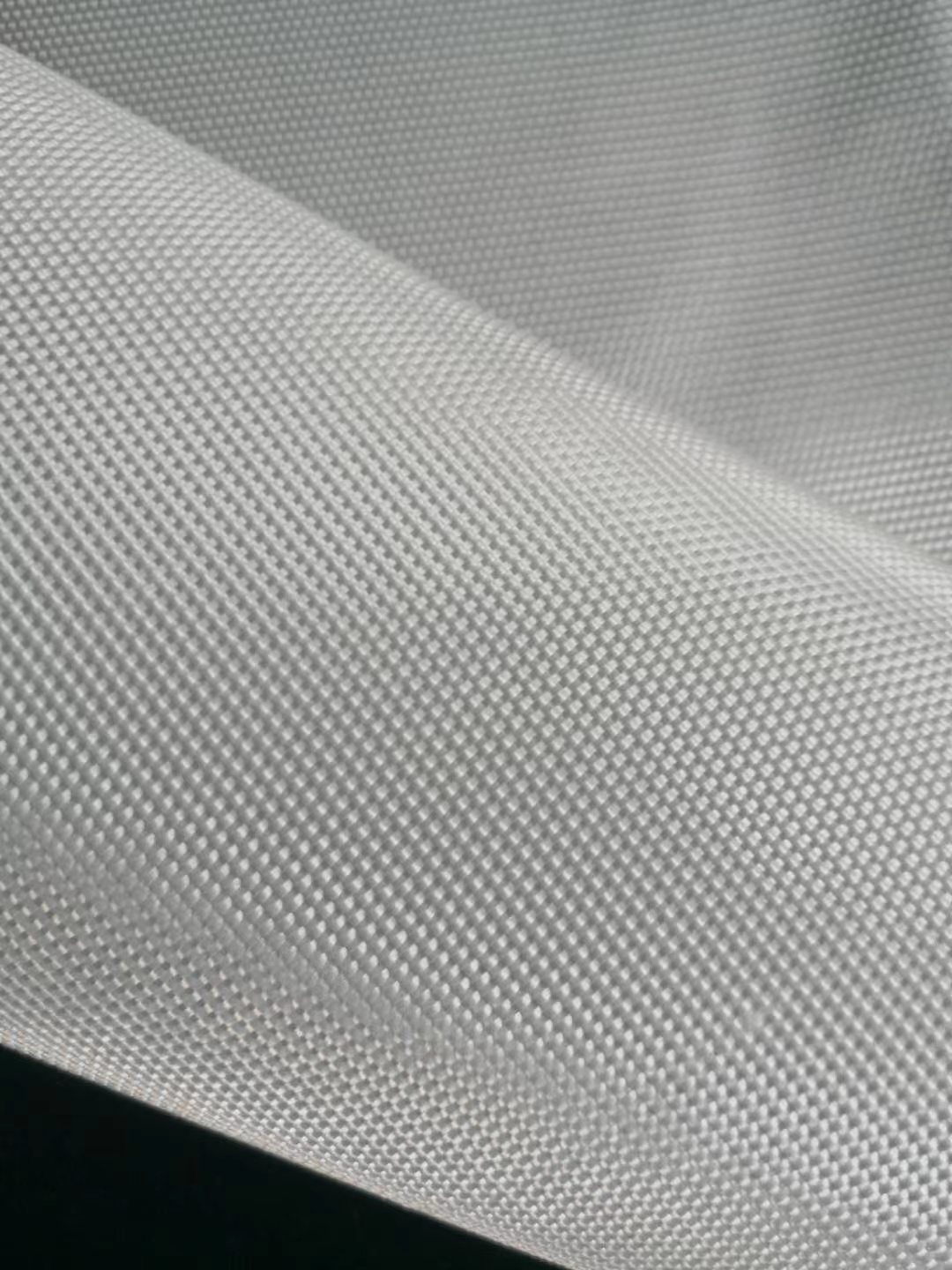
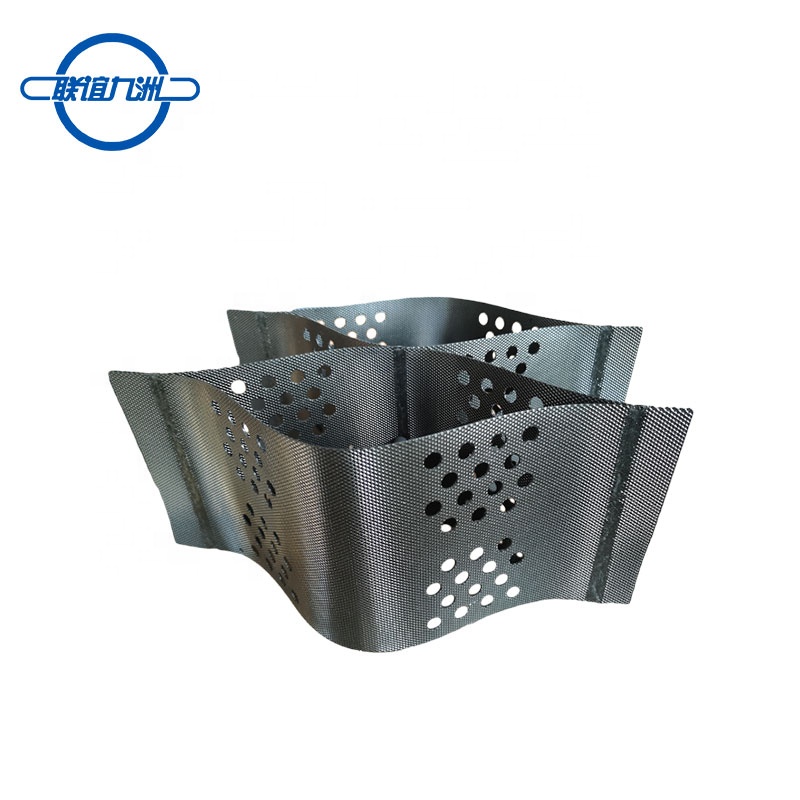
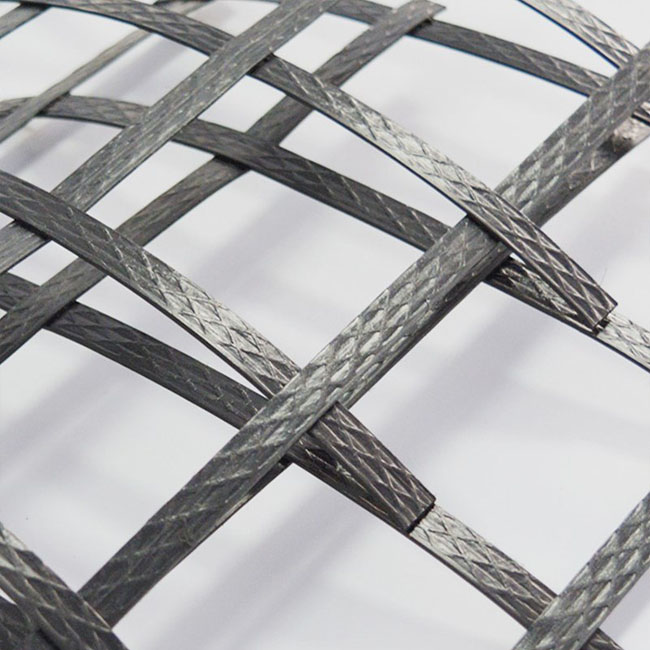
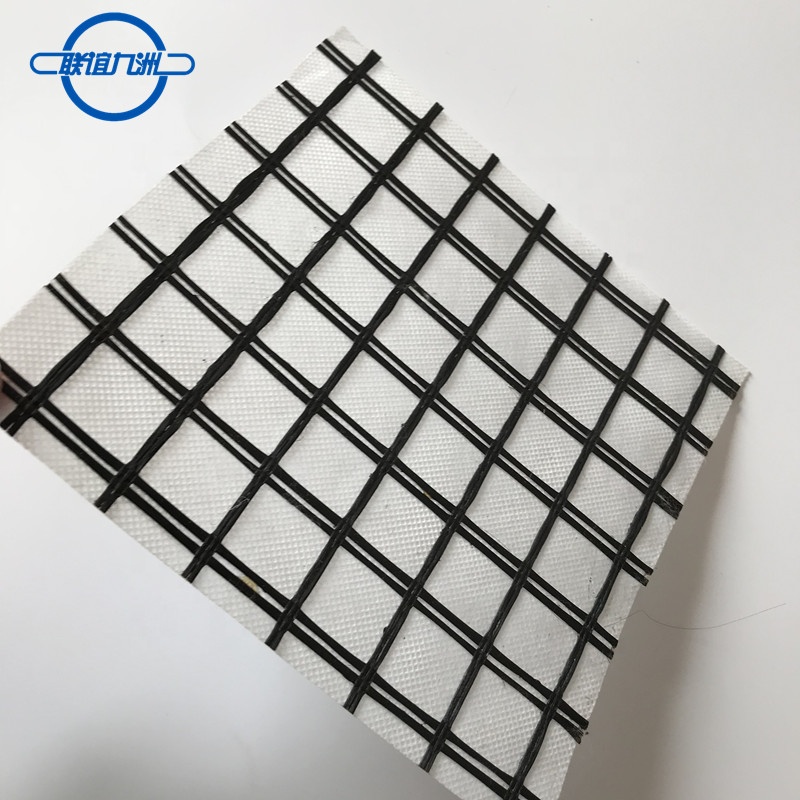

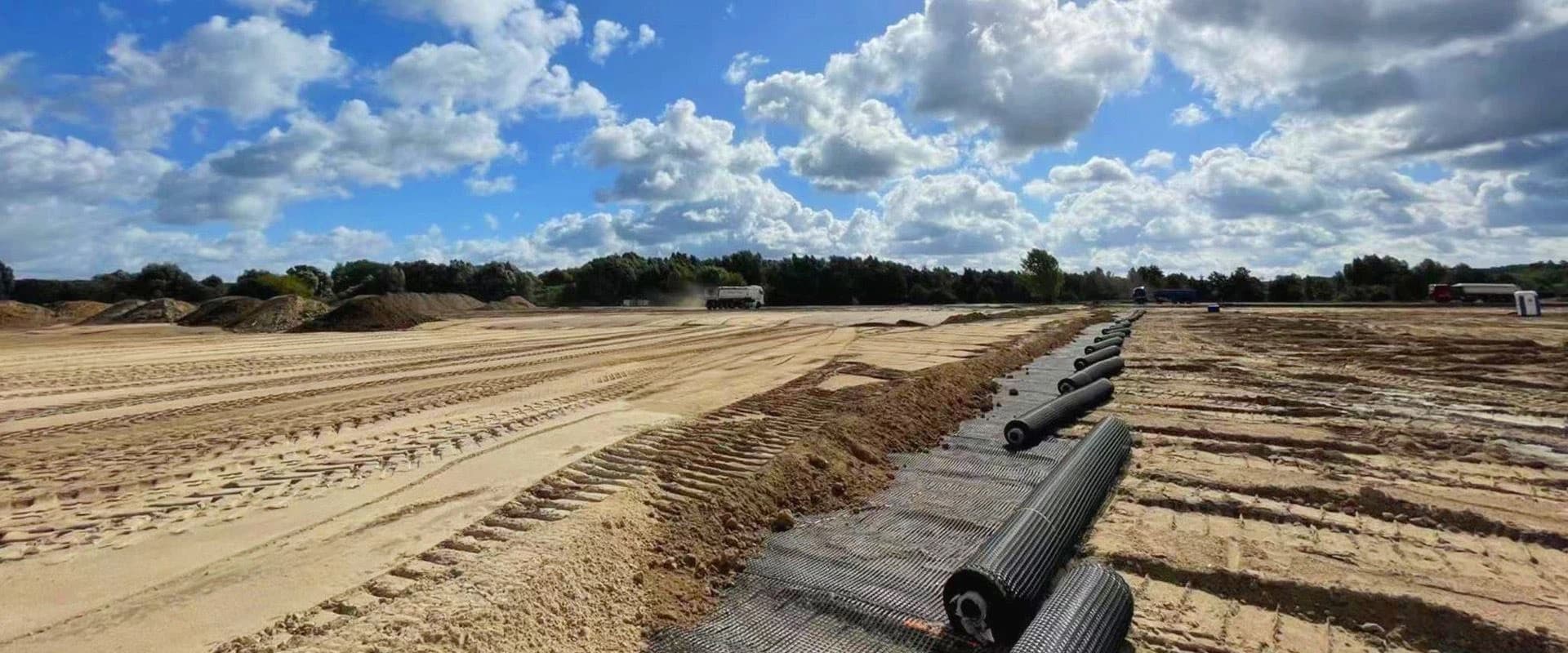
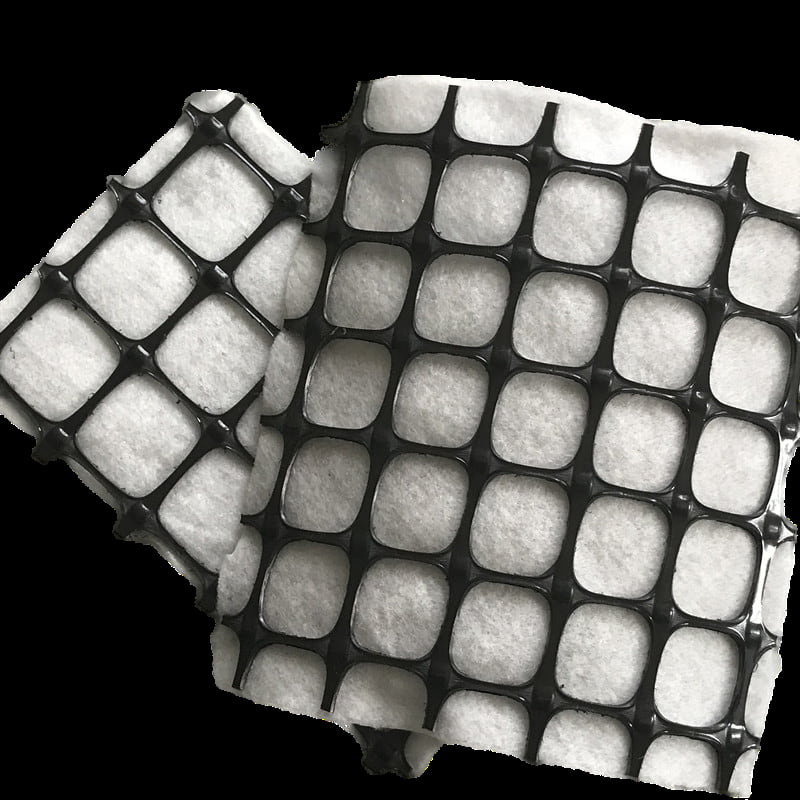
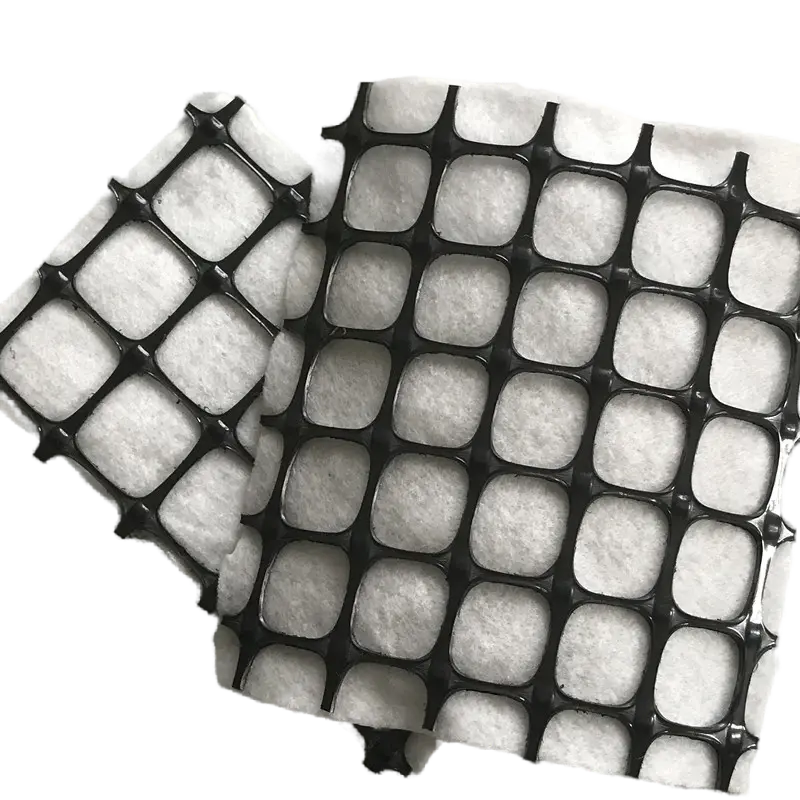

This product is a combination of PP extruded geogrid and filament nonwoven geotextile which can provide multiple functions meantime in a single installation, making it a highly efficient solution for many civil engineering and construction projects. Specifically, it typically offers two primary functions:
Functions Provided by PP Biaxial Geogrid Composite with Geotextile:
- Reinforcement:
- Biaxial Geogrid: The geogrid component provides high tensile strength in both the longitudinal and transverse directions. This reinforcement helps to distribute loads more evenly, improving the stability and load-bearing capacity of the soil. It effectively prevents soil movement and deformation, which is crucial in applications like road construction, embankments, and retaining walls.
- Separation and Filtration:
- Geotextile Layer: The geotextile component serves to separate different soil layers, preventing them from intermixing. This is important for maintaining the integrity of each layer and ensuring the long-term stability of the construction. Additionally, the geotextile provides filtration, allowing water to pass through while retaining soil particles. This helps in managing water drainage and preventing soil erosion.
Applications Benefiting from Dual Functions:
-
-
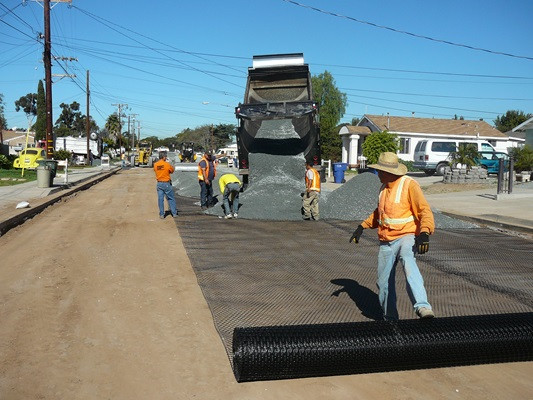
- Road Construction:
- The geogrid reinforces the base and subbase layers, preventing rutting and cracking, while the geotextile layer separates the subgrade from the aggregate, ensuring proper drainage and reducing the risk of contamination between layers.
- Embankment Stabilization:
- The geogrid strengthens the embankment by providing tensile reinforcement, while the geotextile layer prevents soil erosion and aids in water drainage, maintaining slope stability.
- Retaining Walls:
- The geogrid enhances the structural integrity of retaining walls by distributing loads, while the geotextile layer ensures proper drainage and prevents water buildup, reducing hydrostatic pressure behind the wall.
- Railway Construction:
- The geogrid supports the railway tracks by reinforcing the track bed and distributing loads, while the geotextile layer separates the track ballast from the subgrade and facilitates drainage.
- Road Construction:
-
Manufacturing and details of biaxial geogrid composites:
- Selection of Materials:
- Geogrid: Typically made from materials like polypropylene (PP) or polyester (PET), providing tensile reinforcement.
- Geotextile: Nonwoven fabric made from synthetic fibers (PP, PET) for filtration, separation, and soil stabilization.
- Surface Preparation:
- The surfaces of the geogrid and geotextile are prepared to ensure cleanliness and optimal bonding conditions.
- Thermal Bonding Method:
- Heat Application: The geotextile and geogrid are placed together under controlled heat and pressure.
- Melting Point: The heat is adjusted to melt the surface fibers of both materials slightly, creating a fused bond between them.
- Cooling: Once bonded, the composite is cooled to solidify the bond.
- Bonding Patterns:
- Various patterns can be used (e.g., dots, lines, grids) to optimize bonding strength and distribution across the composite.
- Quality Control:
- Bond strength and integrity are tested to ensure the composite meets required performance specifications for tensile strength, durability, and permeability.
- Material Quality: Lianyi uses high-grade materials such as polypropylene (PP) or polyester (PET) in their geogrids and geosynthetics, ensuring durability, strength, and resistance to environmental factors.
- Manufacturing Standards: Adhering to stringent manufacturing standards (such as ISO certifications) ensures consistent quality and reliability in their products.
- Performance Testing: Conducting rigorous testing for mechanical properties, UV resistance, and environmental durability assures clients of the products’ performance under various conditions.
Lianyi’s PP biaxial geogrid composites have gained popularity in North America due to their effectiveness in various geotechnical applications. These geogrids are well-regarded for their:
- Strength and Durability: They provide robust reinforcement for soil stabilization, embankments, retaining walls, and other infrastructure projects, contributing to long-term stability.
- Versatility: Suitable for different soil types and project requirements, offering reliable performance in diverse environmental conditions.
- Compliance: Meeting or exceeding industry standards and specifications ensures they are suitable for use in critical infrastructure projects across North America.
- Cost-Effectiveness: By improving the structural integrity of roadways, railways, and other constructions, they help reduce maintenance costs over the project lifespan.
- Technical Support: Lianyi likely provides comprehensive technical support and guidance to ensure proper installation and optimal performance.
These attributes make Lianyi’s PP biaxial geogrid composites a preferred choice among engineers and contractors involved in infrastructure development in North America.