


The combination of geomembranes and geotextiles in geotechnical engineering creates a robust system where each material complements the other’s functions, enhancing durability and performance. Here’s a structured explanation of their roles and interactions:
1. Geomembrane Function
- Primary Role: Acts as an impermeable barrier to fluids (e.g., water, leachate) in applications like landfills, reservoirs, and containment systems.
- Material Sensitivity: Typically made from HDPE, LLDPE, or PVC, geomembranes are vulnerable to punctures, tears, and stress cracking from sharp objects or uneven subgrade surfaces.
2. Geotextile Roles
- Cushioning/Protection:
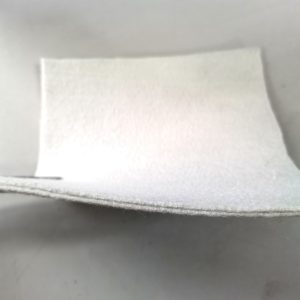
- Subgrade Protection: Placed beneath the geomembrane, non-woven geotextiles (thicker, needle-punched) absorb and distribute stresses from sharp protrusions (e.g., rocks, debris), preventing punctures.
- Load Distribution: Conforms to subgrade irregularities, reducing point loads and abrasion during installation or settling.
- Separation: Prevents soil layers from mixing, maintaining subgrade integrity and preventing differential settlement that could stress the geomembrane.
- Secondary Drainage: Facilitates lateral water movement, mitigating hydrostatic pressure buildup that might displace the geomembrane.
How Heat Bonding Works
- Process Overview:
- A thermoplastic geomembrane (e.g., HDPE, LDPE, or PVC) and a compatible geotextile (typically non-woven polypropylene or polyester) are heated at their interface.
- Heat softens the geomembrane’s polymer surface or activates a pre-applied adhesive layer, allowing the geotextile fibers to embed into the softened geomembrane.
- Pressure is applied to fuse the materials, creating a permanent, monolithic bond without additional adhesives.
- Key Techniques:
- Thermal Lamination: Direct heat application (e.g., hot rollers or infrared) melts the geomembrane surface, bonding it to the geotextile.
- Calendering: Heated rollers compress and fuse the layers during manufacturing.
- Extrusion Bonding: A molten polymer layer is extruded onto the geotextile, bonding it to the geomembrane.
Advantages of Heat-Bonded Composites
- Enhanced Structural Integrity:
- Eliminates delamination risks, ensuring the geotextile remains firmly attached to the geomembrane under stress (e.g., slope installations or heavy loads).
- Improves interface shear strength, critical for steep slopes or dynamic loading conditions.
- Simplified Installation:
- Pre-fabricated composites reduce on-site labor and time, as separate placement of geomembrane and geotextile is unnecessary.
- Minimizes wrinkles or gaps during deployment, improving containment reliability.
- Superior Protection:
- The geotextile’s cushioning role is optimized, as bonding ensures consistent contact with the geomembrane, preventing punctures from sharp subgrade objects.
- Reduces abrasion damage during installation or from overlying materials (e.g., gravel, waste).
- Hydraulic Performance:
- Maintains the geomembrane’s impermeability while allowing the geotextile to manage drainage or gas venting (if designed as a drainage composite).
Applications
Heat-bonded geomembrane-geotextile composites are ideal for:
- Landfill Liners/Covers: Protects against leachate penetration and waste abrasion.
- Reservoirs/Pond Liners: Resists root penetration and subgrade irregularities.
- Mining Heap Leach Pads: Withstands heavy ore loads and chemical exposure.
- Tunnel/Infrastructure Waterproofing: Provides durable, seamless protection.
Key Considerations
- Material Compatibility:
- The geomembrane and geotextile must have compatible melting points and thermal expansion properties (e.g., HDPE geomembranes paired with polypropylene geotextiles).
- Thickness and Weight:
- Bonding may slightly reduce the geotextile’s porosity or thickness, requiring design adjustments for drainage needs.
- Quality Control:
- Uniform heat distribution and pressure are critical to avoid weak spots.
- Testing for peel strength (ASTM D413), puncture resistance (ASTM D5514), and seam integrity (ASTM D6392) is essential.
- Cost vs. Benefit:
- Higher upfront manufacturing costs may be offset by reduced installation time and long-term durability.
Why Choose Heat Bonding?
Lianyi’s heat-bonded composites address the limitations of traditional layered systems, where slippage or separation between geomembrane and geotextile can compromise performance. By integrating the two materials, this technology ensures:
- Longer lifespan due to reduced mechanical wear.
- Lower maintenance with fewer risks of leaks or failures.
- Optimized performance in challenging environments (e.g., high-stress or uneven subgrades).
Conclusion
Heat bonding technology offers a robust solution for projects requiring reliable fluid containment and mechanical protection. Lianyi’s approach leverages the strengths of both geomembranes and geotextiles, creating a high-performance geocomposite ideal for demanding civil and environmental engineering applications. Proper design and testing are crucial to maximize the benefits of this advanced integration method.
