
In civil engineering and construction, soil stability is a critical factor that determines the success of various projects. Whether it’s a road, embankment, or foundation, the integrity of the soil plays a crucial role in supporting structures and ensuring their longevity. One innovative solution that has gained prominence in recent years is the use of PP (Polypropylene) welded geogrid. This article explores how PP welded geogrid enhances soil stability, its applications, advantages, and the technology behind it.
Understanding PP Welded Geogrid
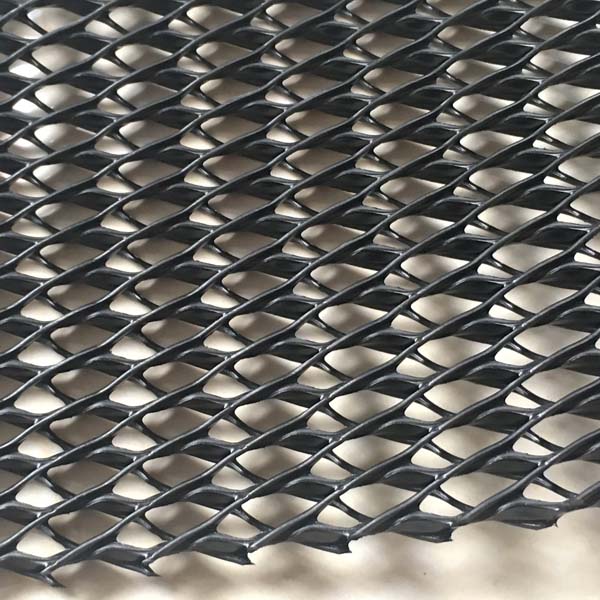
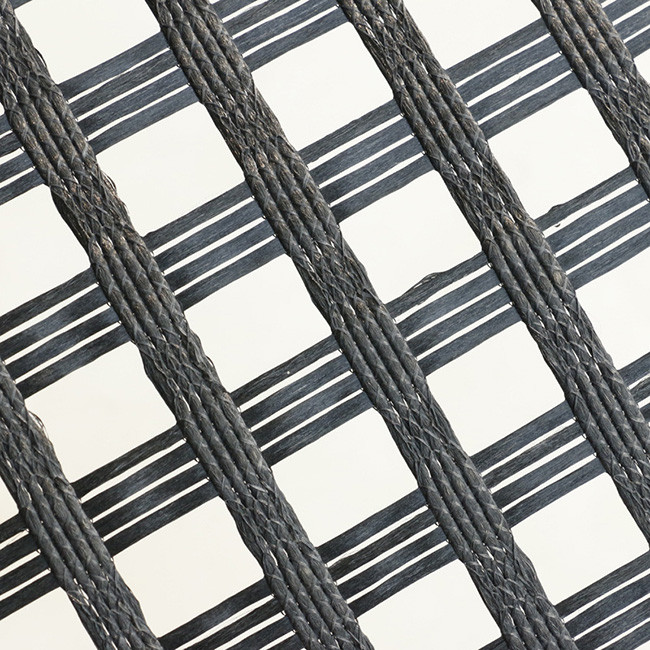
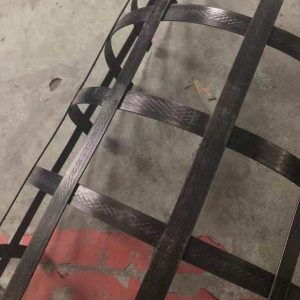
PP welded geogrid is a type of geosynthetic material made from polypropylene, a thermoplastic polymer known for its strength, durability, and resistance to chemical degradation. The manufacturing process involves creating a grid structure through the welding of polypropylene strands, resulting in a robust and stable product. This grid structure allows for interlocking with surrounding soil particles, which enhances load distribution and stabilizes the soil.
Key Properties of Welded Geogrid
- High Tensile Strength: Polypropylene welded geogrid exhibits excellent tensile strength, which is crucial for supporting heavy loads and preventing deformation of the soil structure.
- Low Elongation: The material has low elongation properties, meaning it maintains its shape under stress, reducing the risk of soil failure.
- Chemical Resistance: PP is resistant to various chemicals and environmental conditions, making it suitable for diverse applications, including those in harsh environments.
- Durability: The longevity of PP welded geogrid is a significant advantage, as it can withstand UV exposure and other environmental factors without losing effectiveness.
Enhancing Soil Stability
Load Distribution
One of the primary functions of PP welded geogrid is to improve load distribution across the soil. When loads are applied to the surface, the geogrid effectively spreads these loads over a larger area. This reduces the stress on the underlying soil and minimizes the risk of settlement or failure. For instance, in road construction, the use of geogrid beneath the asphalt layer can significantly decrease the occurrence of cracks and deformation, leading to a longer-lasting road surface.
Reinforcement of Soil Structure
PP welded geogrid reinforces the soil by creating a structural matrix that enhances the overall stability of the soil mass. When installed, the geogrid provides lateral support, which helps prevent soil movement and erosion. This is particularly beneficial in applications such as slope stabilization and retaining walls, where the soil is prone to sliding or collapsing under certain conditions.
Prevention of Erosion
Erosion is a significant concern in construction and civil engineering projects, particularly in areas with steep slopes or heavy rainfall. The use of PP welded geogrid can help mitigate erosion by providing a physical barrier that protects the soil surface. By interlocking with the soil, the geogrid helps maintain the integrity of the soil structure and reduces the risk of surface washout during heavy rains.
Improving Drainage
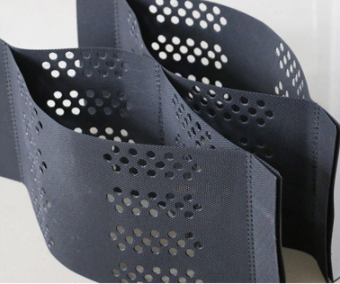
Effective drainage is essential for maintaining soil stability. PP welded geogrid facilitates proper drainage by allowing water to flow through the grid structure while retaining soil particles. This is particularly important in applications such as landfill construction, where managing water infiltration is critical to preventing instability and maintaining environmental safety.
Applications of PP Welded Geogrid
The versatility of Polypropylene welded geogrid makes it suitable for various applications in civil engineering, including:
- Road Construction: Used as a base reinforcement layer, PP welded geogrid enhances the load-bearing capacity of roads, reduces cracking, and extends the lifespan of pavement.
- Slope Stabilization: In areas prone to landslides or erosion, geogrid installation can stabilize slopes and prevent soil movement, ensuring the safety of nearby structures.
- Retaining Walls: Polypropylene welded geogrid is often employed in the construction of retaining walls, providing additional support and stability to hold back soil and prevent collapse.
- Landfills and Waste Management: In landfill construction, geogrids help manage drainage and prevent soil erosion, contributing to the stability of the entire structure.
- Soil Reinforcement: The geogrid can be used to reinforce weak or unstable soil, enhancing its load-bearing capacity and preventing deformation under stress.
Advantages of Using PP Welded Geogrid
The implementation of Polypropylene welded geogrid in construction and civil engineering projects offers numerous advantages:
- Cost-Effectiveness: By improving soil stability and reducing maintenance needs, PP welded geogrid can lead to significant cost savings over the lifespan of a project.
- Ease of Installation: The lightweight nature of geogrids simplifies handling and installation, allowing for quicker project completion.
- Environmental Benefits: By minimizing soil erosion and promoting better drainage, Polypropylene welded geogrid contributes to more sustainable construction practices and protects surrounding ecosystems.
- Increased Longevity: Structures reinforced with geogrid tend to have a longer lifespan due to reduced soil movement and enhanced load distribution.
- Versatility: The adaptability of PP welded geogrid to various applications makes it an essential component in modern civil engineering.
Conclusion
PP welded geogrid is a revolutionary material that enhances soil stability through effective load distribution, soil reinforcement, erosion prevention, and improved drainage. Its unique properties and versatility make it an invaluable asset in various civil engineering applications. As the construction industry continues to evolve, the adoption of innovative solutions like Polypropylene welded geogrid will play a crucial role in creating safer, more durable, and sustainable structures. By integrating this technology into projects, engineers can ensure enhanced soil stability and contribute to the longevity and success of their endeavors.
In summary, the integration of Polypropylene welded geogrid into soil stabilization practices represents a significant advancement in civil engineering, offering a reliable and efficient solution to some of the most pressing challenges faced in construction today.
