



Introduction
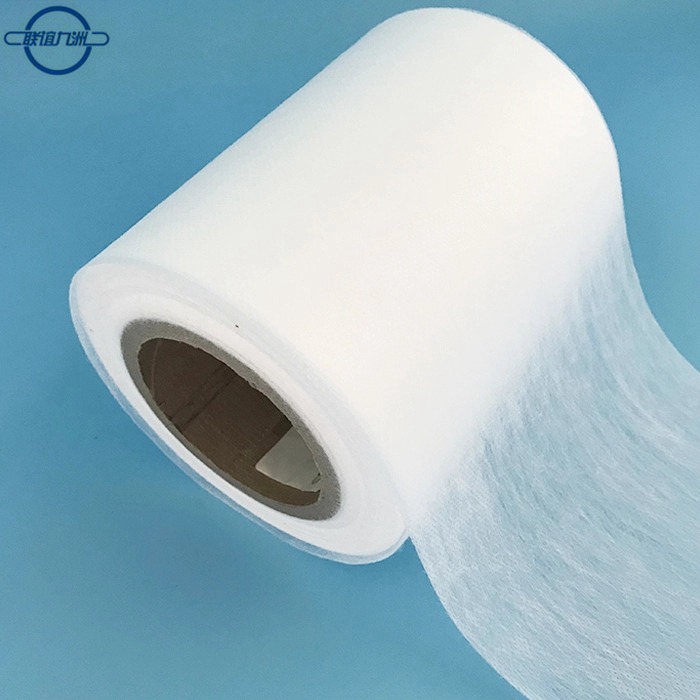
Polypropylene (PP) spunbond nonwoven fabric is a versatile material widely used in various industries for its durability, lightweight nature, and cost-effectiveness. This guide explores the applications, manufacturing process, and key characteristics of PP spunbond nonwoven fabric.
Applications
PP spunbond nonwoven fabric finds extensive use in:
- Hygiene Products:
- Disposable Diapers and Sanitary Napkins: Used as a top sheet for its softness, liquid repellency, and breathability.
- Medical Apparel: Masks, caps, gowns, and shoe covers due to its barrier properties and comfort.
- Packaging:
- Bags and Wrapping: Used in agriculture (crop covers), shopping bags, and protective packaging due to its strength and moisture resistance.
- Construction:
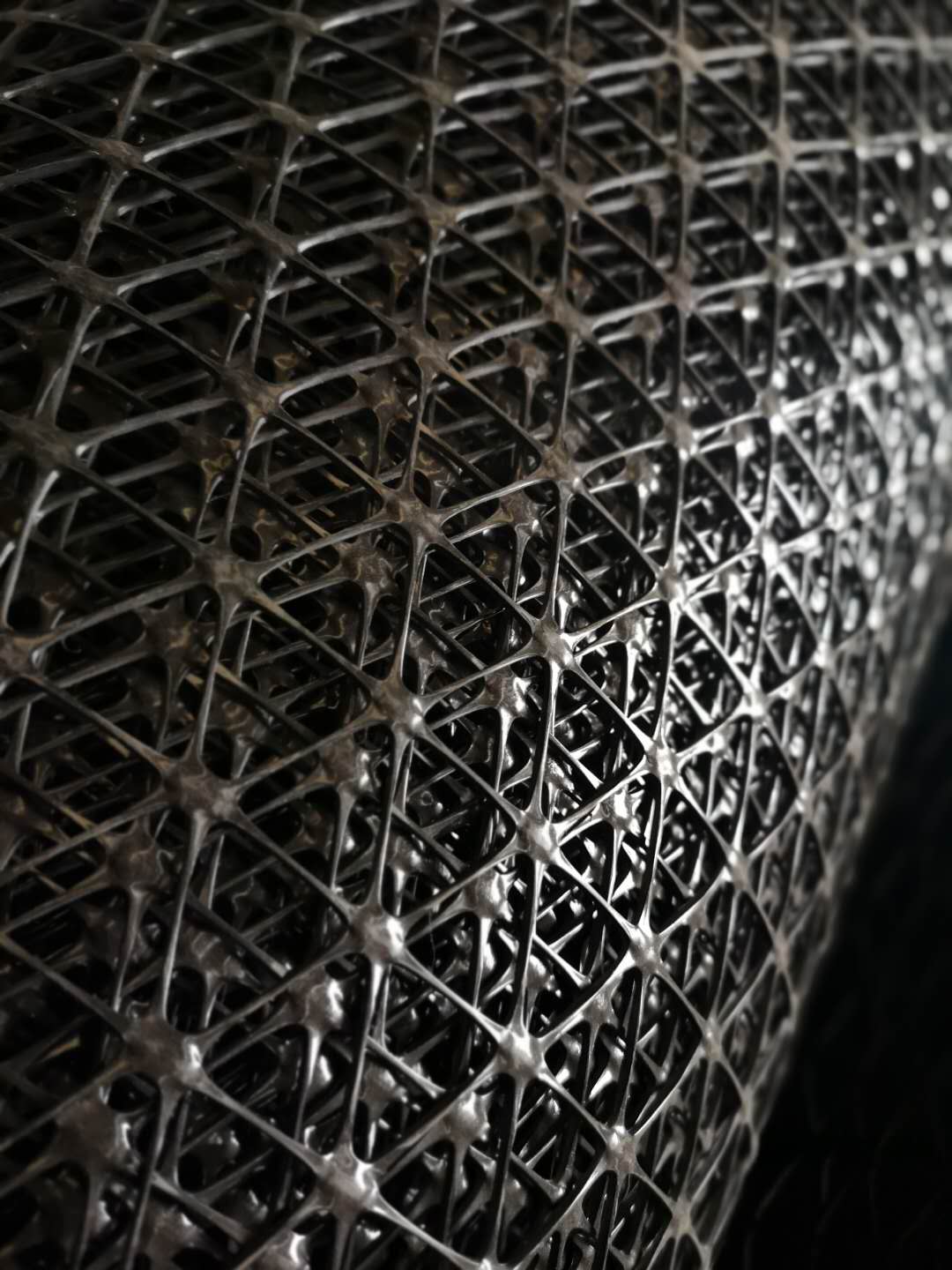
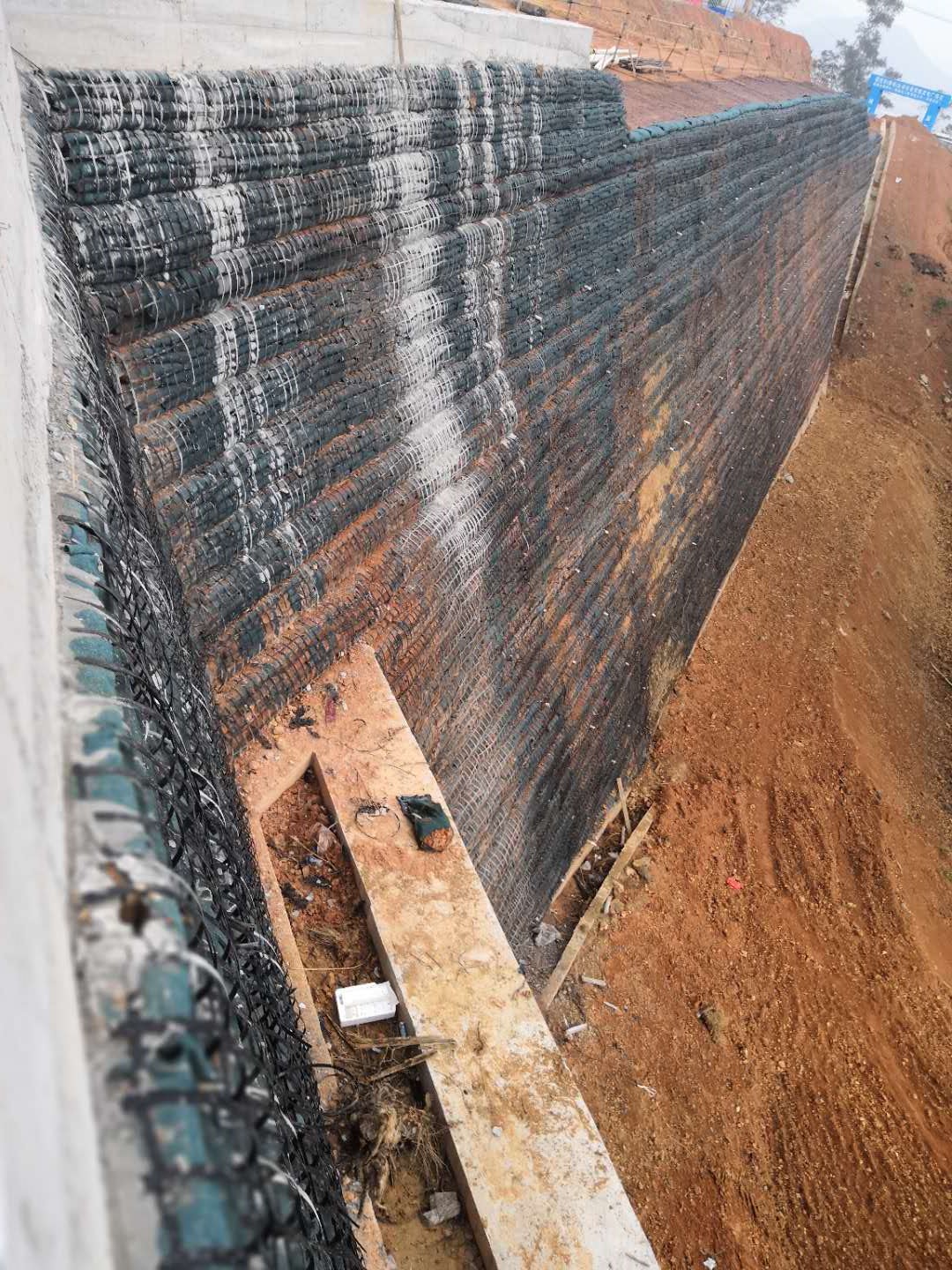
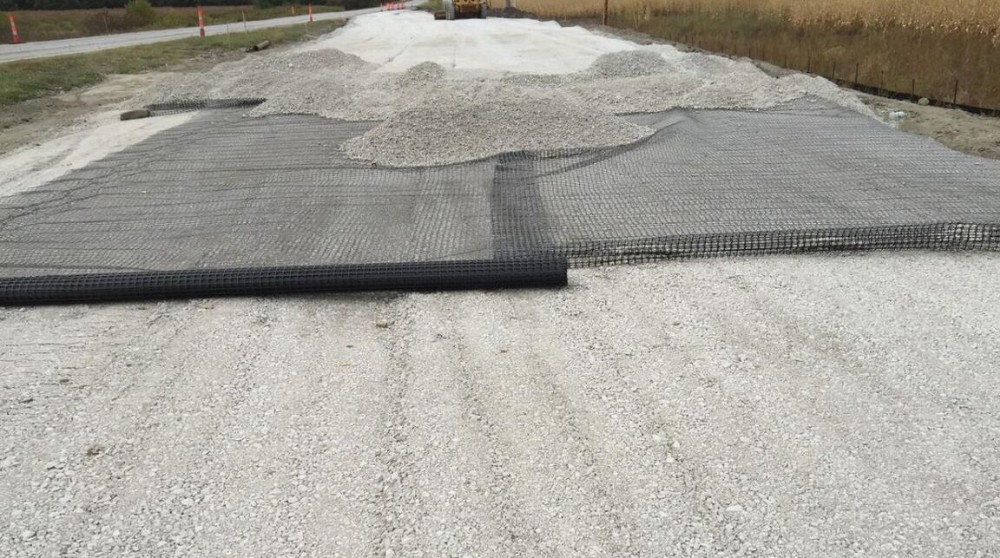
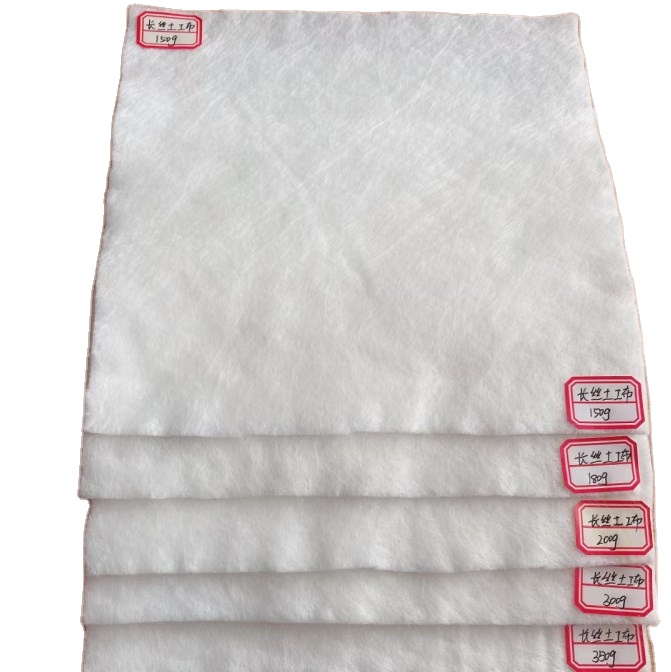
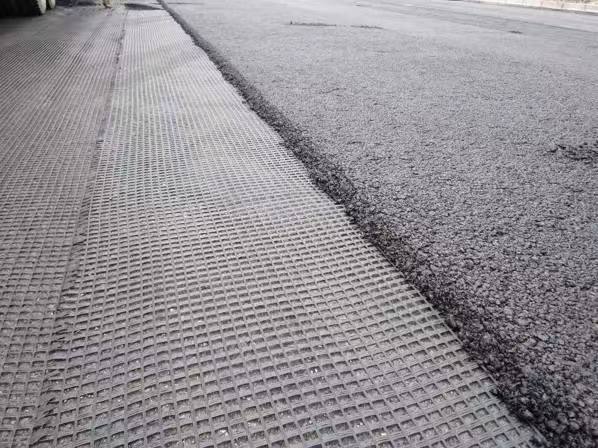
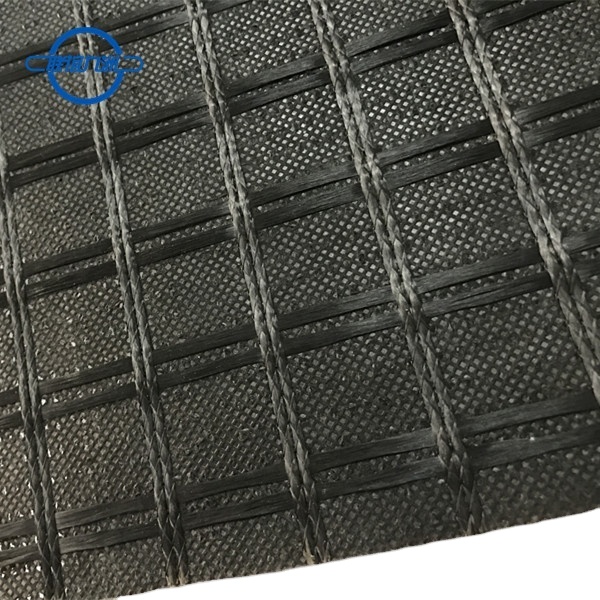
- Geotextiles: Reinforcement in road construction, erosion control, and landscaping due to its strength, filtration properties, and UV resistance.
- Insulation: Used in roofing materials and wall insulation due to its thermal insulation properties.
- Automotive:
- Interior Components: Used in door panels, trunk liners, and headliners for its durability, sound insulation, and moldability.
- Furniture and Bedding:
- Mattress and Furniture Upholstery: PP spunbond nonwoven fabric is used as a barrier material, padding, and dust cover.
- Agriculture:
- Crop Protection: Covers for crops to protect against frost, insects, and UV radiation while allowing air and water permeability.
Manufacturing Process
- Polymer Preparation:
- Polypropylene Pellets: The raw material is polypropylene pellets, which are melted at high temperatures to form a viscous polymer.
- Extrusion:
- Extrusion of Filaments: The molten polymer is extruded through spinnerets to form continuous filaments.
- Orientation: The filaments are stretched and oriented to improve strength and tensile properties.
- Web Formation:
- Cross-Laying: The filaments are laid in a random orientation onto a moving belt or drum.
- Bonding: Heat and pressure are applied (calendering or thermal bonding) to bond the filaments together to form a fabric.
- Finishing:
- Treatment: Optional treatments such as UV stabilization, flame retardants, or antimicrobial agents may be applied depending on the intended application.
- Slitting and Winding: The fabric is slit into rolls of various widths and wound onto cores for distribution.
- Physical Properties:
- Basis Weight: Measurement of fabric weight per unit area.
- Thickness: Gauge of fabric thickness using calibrated instruments.
- Tensile Strength: Testing the fabric’s resistance to pulling forces to determine its mechanical strength.
- Elongation: Measurement of the fabric’s ability to stretch under tensile load.
- Abrasion Resistance: Evaluation of fabric durability against rubbing or friction.
- Mechanical Properties:
- Bursting Strength: Testing the fabric’s resistance to pressure and stretching forces.
- Tear Resistance: Assessment of fabric resistance to tearing or puncturing.
- Barrier Properties:
- Air Permeability: Measurement of the fabric’s ability to allow air flow.
- Water Resistance: Testing fabric resistance to water penetration or absorption.
- Moisture Vapor Transmission Rate (MVTR): Measurement of moisture transfer through the fabric.
- Chemical Properties:
- Resistance to Chemicals: Testing fabric response to various chemicals to assess compatibility and resistance.
- Flammability Testing: Assessment of fabric flammability characteristics to ensure compliance with safety standards.
Characteristics:
- Strength and Durability: PP spunbond nonwoven fabric is known for its high tensile strength and resistance to wear and tear, making it suitable for demanding applications.
- Lightweight: Despite its strength, the fabric is lightweight, which makes it easy to handle and transport.
- Chemical Resistance: The fabric resists many chemicals, including acids and alkalis, ensuring longevity in various environments.
- Breathability: It can be designed to allow air permeability, which is essential for applications requiring ventilation.
- Water Resistance: It can be engineered to repel water, making it useful for protective coverings and hygiene products.
- Non-Toxic and Hypoallergenic: Safe for direct contact with skin, making it ideal for medical and hygiene applications.
- Cost-Effective: The production process is relatively inexpensive, making PP spunbond nonwoven fabric a cost-effective material.
- Recyclability: Polypropylene is recyclable, contributing to sustainability and reducing environmental impact.
Environmental Impact:
While PP spunbond nonwoven fabric is recyclable, the production and disposal of synthetic fibers can have environmental impacts. Recycling programs and sustainable production practices are crucial to reduce these impacts and promote environmental responsibility.
In summary, PP spunbond nonwoven fabric is a versatile, durable, and cost-effective material with a wide range of applications. Its combination of beneficial properties makes it a valuable choice in many industries.