


In the modern construction industry, the longevity and stability of infrastructure are of paramount importance. From highways to airport runways, the need for durable, reliable materials that can withstand the stresses of heavy loads, environmental conditions, and time is critical. One such material that has become indispensable in construction is the fiberglass geogrid. This article will delve into what asphalt geogrids are, their composition, how they function in reinforcement, their various applications, advantages over other materials, and considerations for their installation and use. With a focus on providing a comprehensive understanding, this article will cover the significant aspects of asphalt geogrids, their role in reinforcement, and their impact on modern construction practices.
Understanding Fiberglass Geogrids
Fiberglass geogrids are a type of geosynthetic material, specifically engineered for reinforcing soils and other materials in construction projects. Geosynthetics, in general, refer to synthetic products used in civil engineering projects, particularly in earthworks and foundation construction. Asphalt geogrids stand out among other geosynthetics due to their unique properties and applications.
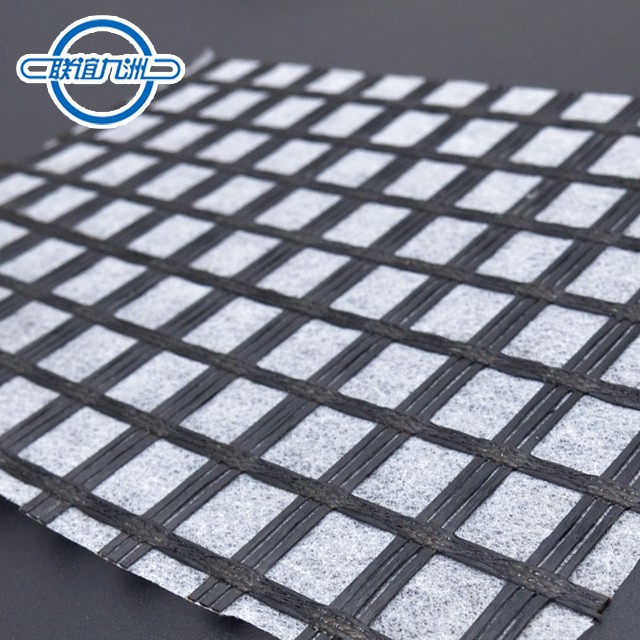
Composition and Structure: Asphalt geogrids are composed of glass fibers, which are woven or knitted into a grid-like pattern. These fibers are then coated with a polymer, such as bitumen or PVC, to protect the grid from environmental damage and to enhance its bonding with other construction materials like asphalt or soil. The grid pattern typically consists of open spaces or apertures that allow for the interlocking of the grid with the material it is reinforcing, creating a composite layer that is significantly stronger than the materials used individually.
Tensile Strength and Low Elongation: One of the defining characteristics of asphalt geogrids is their high tensile strength combined with low elongation. Tensile strength refers to the resistance of a material to breaking under tension. Fiberglass geogrids have a high tensile strength, which means they can resist significant stretching forces without deforming. This property is crucial in construction applications where the material is required to support heavy loads or resist movement. The low elongation means that the grid does not stretch much under load, ensuring that it retains its shape and continues to provide effective reinforcement.
The Role of Fiberglass Geogrids in Reinforcement
The primary role of asphalt geogrids in construction is to reinforce and stabilize soils, asphalt, and other materials. This reinforcement serves several key functions:
- Load Distribution: When incorporated into roads, pavements, or other structures, asphalt geogrids help distribute the load across a wider area. This distribution reduces the stress on any single point within the material, which in turn reduces the likelihood of cracking, rutting, or other forms of deformation. In the case of roadways, this can significantly extend the lifespan of the pavement, reducing the need for frequent repairs and maintenance.
- Crack Mitigation: Asphalt and other materials used in road construction are prone to cracking due to temperature changes, load-induced stresses, and other factors. Fiberglass geogrids are particularly effective in mitigating reflective cracking, a common issue where cracks in the underlying layer propagate through to the surface. The grid acts as a barrier, absorbing and redistributing the stress that would otherwise cause these cracks to form and grow.
- Stabilization: In earthworks, fiberglass geogrids are used to stabilize soil, particularly in applications like retaining walls, embankments, and slopes. The grid helps to bind the soil particles together, increasing the overall strength and stability of the structure. This stabilization is crucial in preventing soil erosion, landslides, and other forms of ground movement that could compromise the integrity of the construction.
- Increased Structural Integrity: By reinforcing the materials used in construction, asphalt geogrids increase the overall structural integrity of the project. This is particularly important in large-scale infrastructure projects like highways, bridges, and airport runways, where the failure of a single component could have catastrophic consequences. The use of asphalt geogrids ensures that these structures can withstand the stresses they will be subjected to over their operational lifetime.
Applications of Fiberglass Geogrids
Fiberglass geogrids are used in a wide range of construction applications, each benefiting from the material’s unique properties. Some of the most common applications include:
- Roadway and Pavement Reinforcement: Perhaps the most widespread use of asphalt geogrids is in the construction and reinforcement of roadways and pavements. In these applications, the geogrid is typically placed between layers of asphalt or within the asphalt itself. The grid helps to reduce the formation of cracks, extend the lifespan of the pavement, and improve the overall durability of the road. This is particularly important in high-traffic areas where the pavement is subjected to constant heavy loads.
- Railway Track Stabilization: Railways require stable, well-supported tracks to ensure the safe and efficient operation of trains. Fiberglass geogrids are used to reinforce the ballast layer beneath the tracks, preventing settlement and maintaining the alignment of the tracks. This is especially critical in high-speed rail applications, where even minor deviations in track alignment can lead to significant issues.
- Retaining Wall Construction: Retaining walls are used to hold back soil and prevent erosion in areas with steep slopes or other challenging terrain. Asphalt geogrids are often used in the construction of these walls to reinforce the soil and provide additional support. The grid helps to distribute the load across the wall, preventing the soil from shifting or collapsing over time.
- Airport Runways: Airport runways are subjected to some of the heaviest loads in any construction application, with large aircraft taking off and landing multiple times a day. Fiberglass geogrids are used to reinforce the asphalt or concrete layers of runways, ensuring that they remain smooth, crack-free, and capable of supporting the weight of aircraft. The use of geogrids in runway construction also helps to reduce maintenance costs and extend the lifespan of the runway.
- Embankments and Slopes: In areas where the natural terrain presents challenges, such as steep slopes or unstable soil, asphalt geogrids are used to reinforce embankments and slopes. The grid stabilizes the soil, preventing erosion and landslides, and ensuring that the structure remains stable over time. This is particularly important in areas prone to heavy rainfall or other environmental conditions that could cause soil movement.
- Rehabilitation of Existing Structures: Asphalt geogrids are also used in the rehabilitation of existing structures, such as roads, bridges, and retaining walls. By incorporating the geogrid into the existing structure, engineers can reinforce and stabilize the material, extending its lifespan and reducing the need for costly repairs or replacements.
Advantages of Fiberglass Geogrids Over Other Materials
Fiberglass geogrids offer several advantages over other types of geosynthetic materials, such as polyester or polypropylene geogrids. Some of the key benefits include:
- High Tensile Strength: As mentioned earlier, asphalt geogrids have a high tensile strength, which allows them to withstand significant loads without stretching or deforming. This makes them ideal for applications where the material will be subjected to heavy loads or stress.
- Low Elongation: The low elongation of asphalt geogrids means that they retain their shape and effectiveness under load. This is crucial in applications like roadway reinforcement, where any deformation could compromise the integrity of the pavement.
- Durability and Environmental Resistance: Fiberglass geogrids are highly durable and resistant to environmental factors like moisture, UV radiation, and chemicals. This ensures that the material will continue to perform effectively over the long term, even in challenging conditions.
- Cost-Effectiveness: While the initial cost of asphalt geogrids may be higher than other materials, their long-term benefits, such as reduced maintenance costs and extended lifespan of the reinforced structure, make them a cost-effective choice in the long run.
- Ease of Installation: Fiberglass geogrids are relatively lightweight and easy to handle, making them simple to install in a variety of construction settings. This ease of installation helps to reduce labor costs and speed up the construction process.
- Compatibility with Various Materials: The polymer coating on asphalt geogrids allows them to bond effectively with a wide range of materials, including asphalt, concrete, and soil. This versatility makes them suitable for use in a variety of construction applications.
Conclusion
Fiberglass geogrids have become a vital component of modern construction, offering a reliable and effective solution for reinforcing soils, asphalt, and other materials in a wide range of applications. From roadways and railways to retaining walls and airport runways, these geogrids play a crucial role in enhancing the durability, stability, and longevity of infrastructure projects.
By understanding what asphalt geogrids are, how they function in reinforcement, and the best practices for their installation and use, engineers and construction professionals can ensure that their projects benefit from the full range of advantages these materials offer. As technology continues to evolve, the future of asphalt geogrids looks promising, with new innovations and trends poised to further enhance their performance and sustainability.
Ultimately, the use of asphalt geogrids represents a significant advancement in construction technology, providing the strength, durability, and reliability needed to meet the demands of today’s infrastructure projects. Whether in the construction of new roads, the stabilization of slopes, or the rehabilitation of existing structures, fiberglass geogrids are helping to build a stronger, more resilient future.
