


In the field of civil engineering and environmental management, geonets play a critical role in ensuring the stability, durability, and efficiency of various construction and environmental protection projects. Among the different types of geonets available, the two-dimensional geonet is particularly popular due to its versatility and effectiveness. This article will explore the working principles, applications, and benefits of two-dimensional geonets, providing a comprehensive understanding of how they contribute to modern engineering practices.
Introduction to Geonets
Geonets are a type of geosynthetic material used extensively in civil engineering for applications such as drainage, filtration, and soil reinforcement. Geosynthetics refer to synthetic products used in geotechnical engineering, which include geotextiles, geomembranes, geogrids, and geonets. The primary purpose of geonets is to facilitate the movement of fluids (liquids and gases) within the soil, thereby improving drainage and reducing the build-up of pore pressure that could compromise the stability of engineering structures.
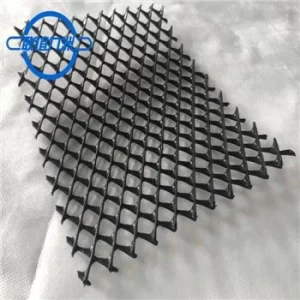
A two-dimensional geonet is a flat, grid-like structure made from high-density polyethylene (HDPE) or other polymers, designed with intersecting ribs that form a pattern of voids. These voids allow for the effective transmission of fluids, making 2D geonets particularly useful in applications where efficient drainage or gas venting is required.
Structure of a Two-Dimensional Geonet
The structure of a two-dimensional geonet is fundamental to its function. A 2D geonet typically consists of two sets of parallel ribs that intersect at various angles, creating a network of open spaces or channels. The ribs are usually manufactured through a process of extrusion, where the polymer is melted and then shaped into the desired grid pattern. The thickness and spacing of the ribs, as well as the angle at which they intersect, can be customized to meet the specific requirements of different applications.
The primary function of this grid-like structure is to provide pathways for fluid flow. When placed within or on top of soil, the geonet’s channels facilitate the movement of water, gas, or other fluids. This movement is essential in preventing the accumulation of fluids, which can lead to increased pressure, erosion, or instability in engineering projects.
Working Mechanism of Two-Dimensional Geonets
The working mechanism of a two-dimensional geonet is based on its ability to transmit fluids across its plane. This transmission is driven by the hydraulic gradient, which is the difference in pressure or potential energy that causes fluids to move from one point to another. The geonet’s channels provide a low-resistance path for this movement, allowing for efficient drainage and venting.
- Drainage: One of the most common applications of 2D geonets is in drainage systems. When used in landfill sites, for example, a 2D geonet is typically placed between layers of soil or waste materials. As water or leachate accumulates, it flows into the geonet’s channels and is directed away from the site, reducing the risk of waterlogging and ensuring the stability of the landfill.
- Gas Venting: In addition to drainage, 2D geonets are also used for gas venting. In situations where gases such as methane are generated, such as in landfills, the geonet provides a pathway for these gases to escape, preventing the build-up of pressure that could lead to explosive situations.
- Erosion Control: Another important function of 2D geonets is in erosion control. When placed on slopes or embankments, the geonet helps to stabilize the soil by allowing water to drain away quickly, reducing the potential for erosion and soil movement. This application is particularly useful in areas prone to heavy rainfall or where slopes are unstable.
- Filtration: While the primary function of a geonet is to facilitate fluid movement, it can also play a role in filtration. When combined with geotextiles, which are placed over or within the geonet, the system can filter out fine particles from the fluid, preventing clogging and maintaining the efficiency of the drainage or venting system.
Applications of Two-Dimensional Geonets
The versatility of two-dimensional geonets makes them suitable for a wide range of applications in civil engineering and environmental management. Some of the most common applications include:
- Landfill Liners and Caps:
- In landfill construction, 2D geonets are often used as part of the liner and cap systems. They are placed beneath the landfill to facilitate leachate collection and above the waste material to allow for gas venting. This helps to minimize the environmental impact of the landfill by controlling the movement of fluids and gases.
- Road and Railway Construction:
- In road and railway construction, 2D geonets are used to improve drainage beneath the pavement or tracks. By preventing the accumulation of water, the geonet helps to extend the lifespan of the infrastructure and reduce maintenance costs.
- Retaining Walls:
- Retaining walls are often constructed in areas with unstable soil or slopes. By incorporating a 2D geonet into the design, engineers can improve drainage behind the wall, reducing the pressure exerted by waterlogged soil and enhancing the wall’s stability.
- Slope Stabilization:
- Slope stabilization is another critical application of 2D geonets. When installed on slopes, the geonet helps to control erosion by allowing water to drain away quickly. This reduces the likelihood of landslides and soil erosion, particularly in areas with heavy rainfall.
- Tunnels and Underground Structures:
- In tunnel construction, 2D geonets are used to manage water ingress. By providing drainage channels, the geonet helps to keep the tunnel dry and reduces the risk of water damage to the structure.
- Green Roofs:
- Green roofs are an increasingly popular feature in urban environments, providing ecological benefits and reducing the heat island effect. A 2D geonet is often used in green roof systems to facilitate drainage, ensuring that excess water does not accumulate and cause damage to the roof structure.
Advantages of Using Two-Dimensional Geonets
The use of two-dimensional geonets offers several advantages in civil engineering and environmental management projects. These benefits include:
- Efficient Fluid Transmission:
- The grid-like structure of 2D geonets allows for the efficient transmission of fluids, making them highly effective in drainage and venting applications. This efficiency helps to prevent the build-up of pressure, reducing the risk of failure in engineering structures.
- Durability:
- Made from high-density polyethylene or other robust polymers, 2D geonets are highly durable and resistant to chemical and biological degradation. This makes them suitable for long-term use in harsh environmental conditions.
- Flexibility:
- Two-dimensional geonets are flexible and can be easily adapted to fit various site conditions. They can be cut to size, layered, or combined with other geosynthetics to create custom solutions for specific applications.
- Cost-Effectiveness:
- The use of 2D geonets can reduce the need for more expensive drainage systems or erosion control measures. Their relatively low cost, combined with their efficiency and durability, makes them a cost-effective solution for many projects.
- Environmental Benefits:
- By improving drainage and reducing erosion, 2D geonets contribute to environmental protection. They help to prevent soil degradation, reduce the risk of landslides, and minimize the environmental impact of construction projects.
- Ease of Installation:
- 2D geonets are lightweight and easy to install, which can reduce labor costs and speed up project timelines. Their ease of installation also makes them suitable for use in remote or difficult-to-access locations.
Conclusion
Two-dimensional geonets are a vital component of modern civil engineering and environmental management, offering efficient and cost-effective solutions for drainage, gas venting, erosion control, and more. Their simple yet effective design allows for the transmission of fluids across various applications, contributing to the stability and longevity of engineering structures.
While there are some limitations to their use, such as the potential for clogging and the need for proper design and installation, the benefits of 2D geonets far outweigh these challenges. As technology continues to advance, we can expect to see further improvements in the materials and design of geonets, making them an even more valuable tool in the field of geotechnical engineering.
In summary, the working principle of a two-dimensional geonet revolves around its ability to provide efficient fluid transmission through its grid-like structure. Whether used in landfill management, slope stabilization, or tunnel construction, 2D geonets play a crucial role in ensuring the success and sustainability of a wide range of engineering projects.
