


Abstract:
Geosynthetics have become essential components of modern civil engineering, particularly in soil reinforcement, drainage, separation, and erosion control fields. Among the materials listed, geogrids and geotextiles are both frequently referenced, but are often misconstrued or misheard in design or procurement.
This article discusses the similarities and differences between geogrids and geotextiles in a comprehensive manner that focuses on the engineering aspects of the field. It explains how they differ in composition, behavior, mechanism, and applications in the real world.
Introduction to Geosynthetics in Civil Engineering
Geosynthetics are composed of polymeric substances that enhance the engineering capabilities of soil and stone. Since their popular adoption in the 1960s, they have altered the design of infrastructure by providing effective, long-lasting, and performance-oriented alternatives to traditional methods of construction.
Among all synthetic geosystems, geogrids and geotextiles have the greatest prevalence in the global industry due to their polyvalence and documented effectiveness in multiple endeavors.
Subgrades for the road and railway
Preserving walls and enhancing soil strength
Landfills and environmental mitigation systems
Coastal and riverbanks protection initiatives
Despite being employed in numerous endeavors, they have a fundamentally different purpose in engineering.
What Is a Geogrid?
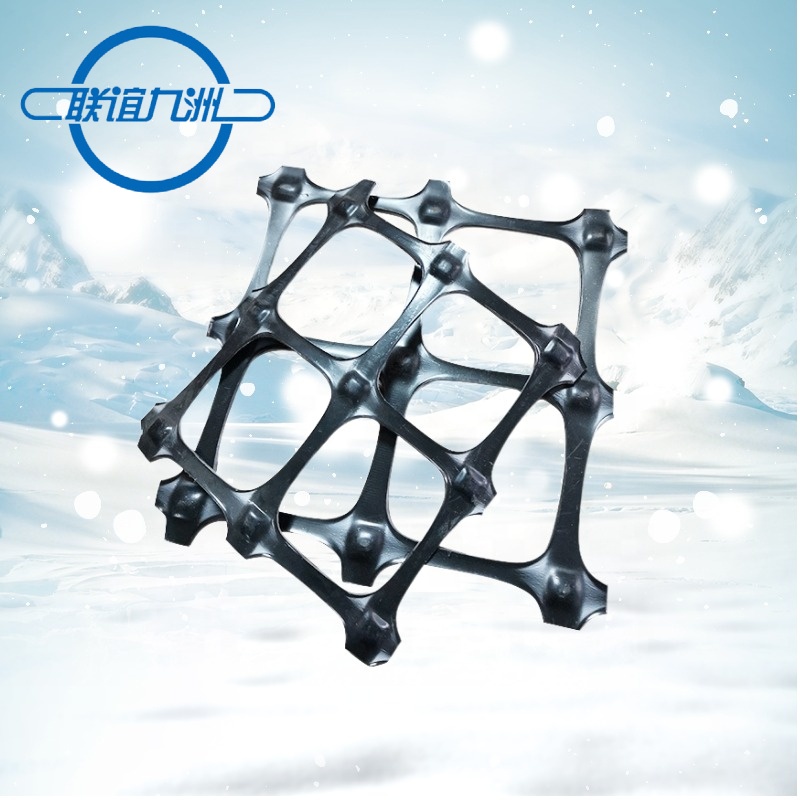
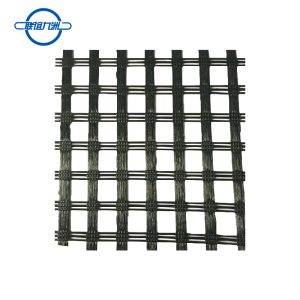
A geogrid is a synthetic material that is characterized by an open, grid-like structure that includes connected ribbons and openings. It’s primarily intended for use in soil as a means of reinforcement, rather than as a means of separation orfiltration.
- The Physical and Mathematical Properties of Geogrids
Geogrids are typically composed of:
- Longitudinal and transverse stripes
- Large openings that allow soil or other materials to enter and merge with the ground
- Rigid or semi-rigid polymeric structure
This open geometry allows for a mechanical interaction between the soil particles and the grid, which creates a composite system of soil and geogrid.
- Common Substances Employed in Geogrids
Geogrids are typically composed of:
- Polypropylene (PP)
- High-density polyethylene (HDPE)
Polyester (PET) is typically covered with plastic or asphalt
Each material is chosen based on its tensile strength, its resistance to creep, and the environmental conditions it will be exposed to.
What Is a Geotextile?
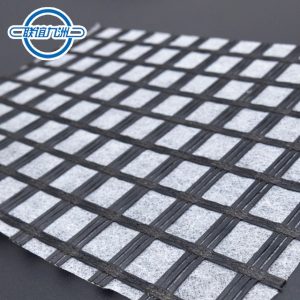
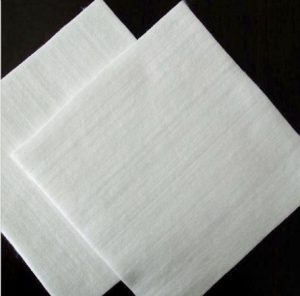
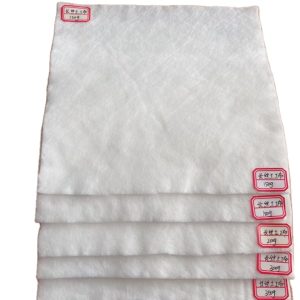
A geotextile is a fabric that is permeable and in contact with soil to serve as a barrier, filter, drainage, protection, and additional support.
Unlike geogrids, which are composed of discrete layers, geotextiles are composed of continuous sheets.
-
Different Forms of Geotextiles
Geotextiles are partitioned into two primary types:
- Woven geotextiles – These are manufactured by utilizing woven fabric to create a high tensile strength and low stretchiness.
- Nonwoven geotextiles – these are created through needle punching or heat fusion, and they have a high degree of porosity and capacity to filter.
-
The composition of the material
Many geotextiles are composed of:
- Polypropylene (PP)
- Polyester (PET)
These polymers facilitate chemical resistance, consistency, and long lifespan in subterranean environments.
Fundamental Difference Between Geogrid and Geotextile
The fundamental difference between geogrids and geotextiles lies in their core engineering function within soil systems.
-
Geogrid: Structural Support
Geogrids are primarily composed of soil and other materials that strengthen the soil and aggregate layers. Their open design allows for the aggregation of particles to occur within the spaces, which creates a mechanically supported layer that increases the distribution of loads, bearing capacity, and has a long-term effect on structural performance.
Geogrids have a mechanism of action that involves the interaction between soil and structure, not thefiltration of water through the soil.
Main role:
- The transfer of load and structural support
- Reduction of cracking and rolling
- Increase in the overall system’s compliance
-
Geotextile: Separation, Filtration, and Protection
Geotextiles are fabricated to facilitate the flow of soil and water. They function as a barrier that prevents soil from being mixed, while still allowing fluids to flow through. Their effectiveness is based on the properties of filtration, permeability, and survival, rather than the load-bearing capacity.
Main role:
- Separating the soil from the water and passing it through a filter
- Drainage and erosion prevention
- Preservation of the underlying substrate
Functional Comparison: Geogrid vs Geotextile
| Engineering Aspect | Geogrid | Geotextile |
| Primary Function | Soil reinforcement | Separation, filtration, drainage |
| Structure | Open grid with apertures | Continuous fabric |
| Soil Interaction | Mechanical interlock | Hydraulic control |
| Tensile Strength Direction | Typically biaxial or uniaxial | Multi-directional but lower |
| Permeability | High (through apertures) | Controlled permeability |
| Load Transfer | Yes (reinforcement) | Limited |
Load Transfer Mechanisms Explained
-
How does the Geogrid system function?
Geogrids are effective due to the interaction between soil and structure. When the load is carried out:
- The soil’s particles become embedded in the openings.
- Ribs become stronger as a result of the tensile forces.
- The bulk of the cargo is spread across a larger region.
This mechanism increases the capacity of the bearing and reduces the settlement.
-
How do Geotextiles function?
Geotextiles don’t require interlock. Instead, they:
- Avoid the combination of dissimilar soil types.
- Allow water to flow through the system while collecting small particles.
- Preserve the geomembranes from piercing.
Their functionality is dependent on the hydraulic properties of the fluid, rather than the mechanical properties of the interlock.
Application-Based Differences
- Street and Highway Construction
Geogrids are employed to strengthen the base and sub-base layers, which diminishes the occurrence of rutting and increases the life of the pavement.
Geotextiles are employed to differentiate the soft ground layer from the aggregate layers.
- Preserving Walls and Flats
Geogrids serve as the primary components of reinforcement.
Geotextiles can be employed to collect drainage behind structural supports.
- Drainage and Filtration Systems
Geotextiles are superior due to their ability to filter and regulate water flow.
Geogrids are typically ineffective alone as a form of filter.
Durability and Environmental Resistance
Geogrids are typically composed of polymers that have a high tensile strength, such as polypropylene (PP), polyester (PET), or high-density polyethylene (HDPE). Their transparent, grid-like design promotes exceptional resistance to:
- Constant long-term pressure under a sustained load
- UV degradation (with supplemental stabilizers)
- Soil chemistry and biology in the soil
Geotextiles, which are typically composed of PET or PP fibers, have a strong capacity to resist:
- Chemical corrosion
- Microorganisms’ growth
- Abrasion during the installation process
However, geotextiles are more susceptible to blockage and mechanical damage if not specifically tailored to the soil type and installation conditions.
Design Standards and Specifications
Engineers rely on internationally recognized standards, including:
- ASTM D6637 – Tensile properties of geogrids
- ASTM D4595 – Tensile properties of geotextiles
- ISO 10319 – Wide-width tensile testing
FHWA NHI manuals on reinforced soil structures
These standards reinforce that geogrids and geotextiles are distinct design elements.
Can Geogrids and Geotextiles Be Used Together?
Yes, and in many instances, a combined use of the two provides superior results.
Common combinations that are composed of multiple components include:
The foundation of the road is enhanced, this is accomplished by a geogrid that provides structural support, while a geotextile that is separate and has a filter is employed.
Systems that retain walls, which also have the function of transferring loads while also controlling erosion.
Soil stabilization by soft means, which necessitates a distinction between the two.
Combining both substances increases the system’s resilience and reduces the long-term cost of maintenance.
Cost Considerations and Lifecycle Value
From a price per unit perspective:
- Geotextiles are typically more affordable initially.
- Geogrids are typically more expensive per square meter.
However, the analysis of lifecycle expenses typically advocates for geogrids or combined systems because of:
- Reduced the thickness of the aggregate layer
- Increased distribution of improved loads
- Extended pavement or structural life
The most effective and cost-effective solution is rarely the cheapest material, but it is instead the one that maximizes performance over time.
Common Misconceptions
Misconception 1: It is assumed that geogrids and geotextiles are substitutes for one another.
In reality, they address different issues related to engineering and should not be replaced without a complete redesign.
Misconception 2: It is always beneficial to have a higher tensile strength.
The interaction with soil and the installation conditions typically have a greater importance regarding tensile strength.
Misconception 3: One synthetic geosphere is adequate for all uses.
Complex ground conditions often necessitate multiple function systems.
Future Trends in Geosynthetics
The industry of geosynthetics is progressing towards:
- High-performance combinations of polymers that have increased longevity
- Sustainability-oriented materials, including reusable polymers.
- Smart geosynthesis that has the capacity to observe.
- Design-by-performance approaches that supplant mandatory rules.
The integration of digital design tools and lifecycle models is also impacting the future selection of materials.
Summary: Key Differences at a Glance
Geogrids = structural reinforcement
Geotextiles = hydraulic and separation control
Selection depends on engineering function, not appearance
Understanding these differences is essential for safe, economical, and durable infrastructure design.
| Aspect | Geogrid | Geotextile |
| Primary Function | Soil reinforcement | Separation, filtration, drainage |
| Structure | Open grid | Woven or nonwoven fabric |
| Load Distribution | Excellent | Limited |
| Filtration | Not designed for filtration | Core function |
| Typical Cost | Higher | Lower |
| Best Use | Structural stabilization | Soil separation and drainage |
| Combined Use | Highly effective | Highly effective |
FAQ: Geogrid vs Geotextile
- Is the material used to make geogrids more powerful than the material used to make geotextiles?
In instances where tension is employed to strengthen a material, yes. Geogrids are designed specifically to carry loads and strengthen soil.
- Can geotextile be employed in place of geogrid?
No. Geotextiles lack the same mortar-like reinforcement mechanism as geogrids.
- Shoulder road construction be more prevalent?
Geogrids as reinforcements; geotextiles as dividers. The most effective results are obtained when both are employed correctly.
- Do gravitational dows allow water to travel through?
Yes, through their openings, but they aren’t intended to be filtered through.
- How long do geogrids and geotextiles last?
When constructed and placed appropriately, both can have a lifespan of over 50-100 years in subterranean conditions.
Conclusion
The distinction between a geogrid and a geotextile is noteworthy—it’s crucial. One promotes soil’s tensile strength, the other regulates the behavior of soil through drainage and division.
Understanding this distinction is crucial to engineers, contractors, and procurement professionals who want to construct high-performance infrastructure that has a long-term behavior that is predictable.
