


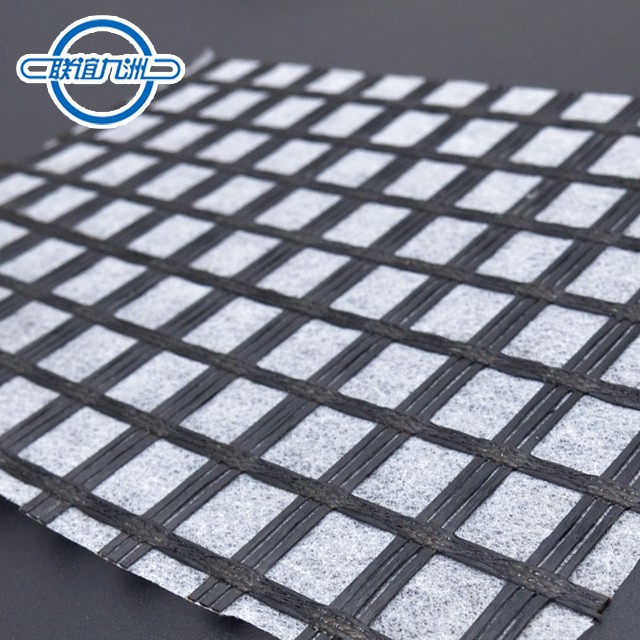
Polyethylene terephthalate (PET) spunbond nonwoven fabric has emerged as a popular material across a range of industries due to its unique properties and versatility. This synthetic nonwoven material, known for its strength, durability, and lightweight nature, is manufactured using a spunbonding process that involves melting PET polymer and extruding it into continuous filaments. The filaments are then laid on a moving belt in a random or aligned pattern and bonded to form a uniform sheet. This article delves into what PET spunbond nonwoven fabric is, how it is produced, its properties, and its applications.
The Manufacturing Process of PET Spunbond Nonwoven Fabric
The production of PET spunbond nonwoven fabric starts with PET polymer chips or pellets, which are melted and extruded to create continuous filaments. Here is a detailed overview of the steps involved in the spun bonding process:
- Polymer Extrusion
- The PET polymer is heated to a molten state and extruded through spinnerets, forming continuous filaments. The spinnerets are equipped with numerous small holes that help in shaping the molten polymer into fine threads.
- Drawing and Cooling
- The extruded filaments are stretched or drawn to increase their tensile strength. Afterward, they are cooled rapidly using an air-blast cooling system, solidifying the fibers.
- Web Formation
- The cooled filaments are then laid on a moving conveyor belt to form a web. The web can be formed in a random or aligned pattern, depending on the intended properties of the final fabric. The random pattern gives more uniform strength, while the aligned pattern can be designed for directional properties.
- Bonding
- To enhance the strength and integrity of the fabric, the web is subjected to thermal or chemical bonding. Thermal bonding involves heating the fibers slightly above their melting point to fuse them together, while chemical bonding uses adhesives or resins to achieve the same effect.
- Finishing Treatments
- The final fabric may undergo various treatments, such as surface coating, lamination, or calendering, to improve its characteristics for specific applications. This could include increasing hydrophobicity, enhancing abrasion resistance, or adding flame retardancy.
Properties of PET Spunbond Nonwoven Fabric
PET spunbond possesses a range of properties that make it suitable for different applications:
- High Strength and Durability
- The spunbond process produces fabrics with high tensile strength, tear resistance, and durability. These attributes make PET spunbond nonwovens suitable for demanding industrial applications.
- Lightweight and Flexible
- Despite their strength, PET spunbond nonwoven fabrics are lightweight and flexible, allowing them to be used in applications where weight reduction is crucial, such as in the automotive and aerospace industries.
- Water Resistance and Hydrophobicity
- PET is naturally hydrophobic, making spunbond nonwoven fabrics resistant to water. This property is particularly valuable for applications requiring moisture barriers, such as protective clothing and medical products.
- Chemical and Thermal Stability
- PET spunbond nonwoven fabric exhibits good chemical resistance to solvents, oils, and mild acids, as well as thermal stability at elevated temperatures. This makes it suitable for use in environments where exposure to chemicals or heat is a concern.
- Eco-friendliness and Recyclability
- As PET is a thermoplastic polymer, it can be recycled, thereby reducing the environmental footprint of spunbond nonwoven fabric. Manufacturers can incorporate recycled PET materials into new products, promoting sustainability.

Applications of PET Spunbond Nonwoven Fabric
The versatility of PET spunbond lends itself to a wide range of applications across different industries. Here are some of the prominent uses:
- Medical and Hygiene Products
- In the medical field, PET spunbond nonwoven fabric is used to make disposable surgical gowns, face masks, wound dressings, and other medical protective equipment. Its strength, barrier properties, and lightweight nature make it an ideal choice for single-use medical products that require a high level of hygiene and protection.
- Filtration
- PET spunbond nonwovens are widely used in air and liquid filtration applications due to their ability to trap particles while allowing the flow of air or liquids. This includes HVAC filters, automotive cabin filters, and industrial filtration systems for water or chemicals.
- Automotive Industry
- In automotive applications, PET spunbond nonwoven fabric is used for interior components such as carpets, roof liners, and trunk linings. Its lightweight and durable properties contribute to vehicle weight reduction, improving fuel efficiency. Additionally, the fabric can be laminated with other materials for enhanced aesthetics and functionality.
- Construction
- The construction industry utilizes PET spunbond for applications such as roofing underlayments, geotextiles, and insulation. Its high tensile strength, resistance to moisture, and ability to provide a stable barrier make it suitable for these demanding environments.
- Packaging and Agricultural Uses
- PET spunbond is also used in packaging to protect products from dust, moisture, and physical damage. In agriculture, the fabric serves as crop covers, weed barriers, and greenhouse shading material, providing protection and temperature regulation for plants.
Future Trends in PET Spunbond Nonwoven Fabric
The market for PET spunbond nonwoven fabric is expected to continue growing, driven by increasing demand for sustainable and high-performance materials. Some emerging trends include:
- Incorporation of Recycled PET
- There is a rising trend toward incorporating more recycled PET content in spunbond nonwoven products. This not only supports sustainability initiatives but also helps manufacturers meet stringent environmental regulations.
- Development of Functional Additives
- Manufacturers are exploring ways to enhance the functionality of PET spunbond nonwovens by adding properties such as antimicrobial effects, flame retardancy, and anti-static performance.
- Innovations in Manufacturing Technology
- Advanced manufacturing technologies, such as hybrid spunbond-meltblown processes, are being developed to create composite nonwoven fabrics with superior properties.
Conclusion
PET spunbond nonwoven fabric is a versatile and valuable material used in various industries, from medical products to automotive and construction applications. Its unique combination of strength, durability, water resistance, and customizability has made it a preferred choice for many end users. As technology advances and sustainability becomes a key focus, the applications and capabilities of PET spunbond are set to expand further, offering new solutions to modern challenges.
Understanding the properties and benefits of PET spunbond allows manufacturers and end-users to make informed decisions when selecting materials for their specific needs. This versatile fabric continues to evolve, promising a bright future for its use in an array of innovative applications.
