
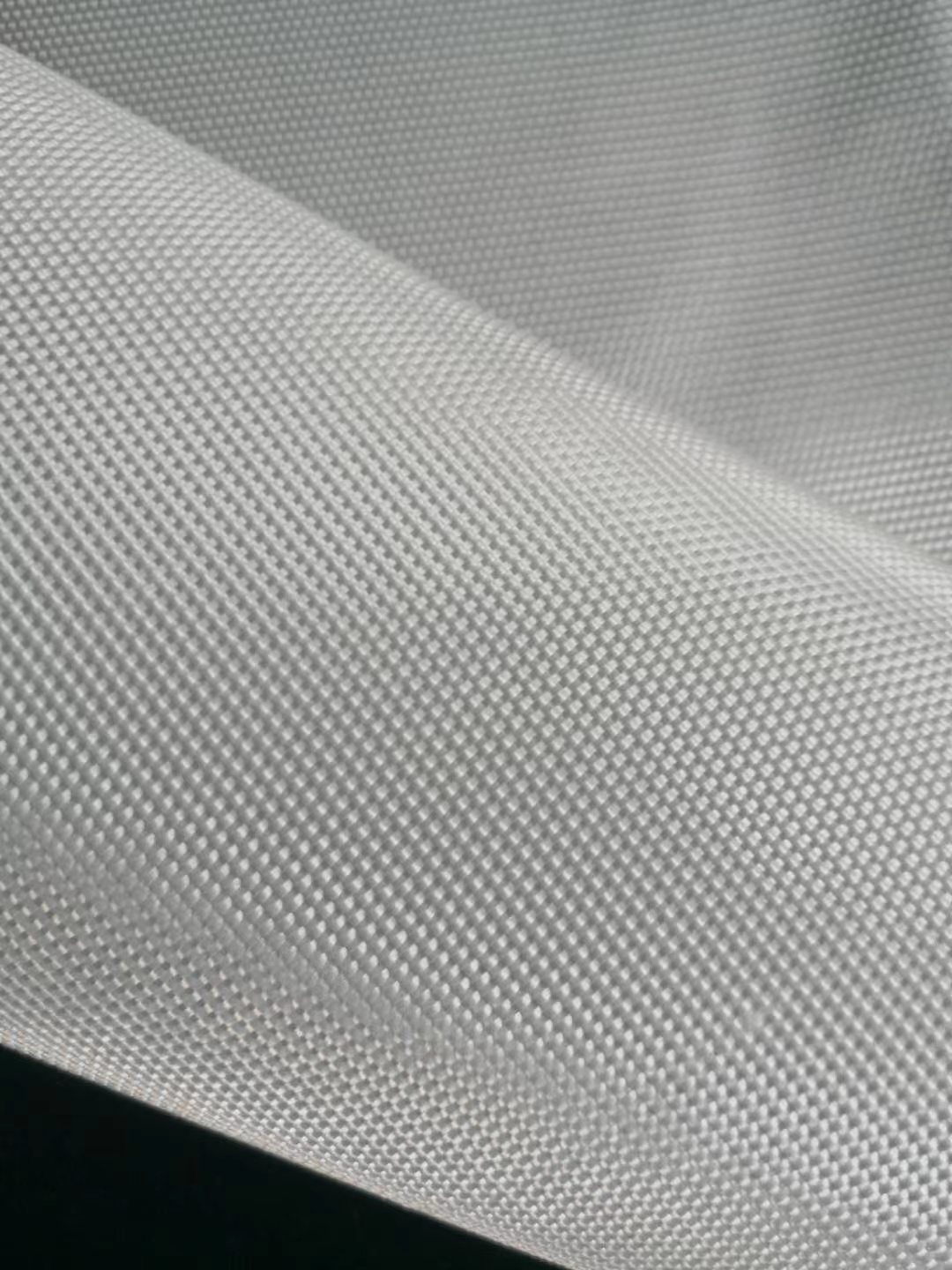


Geomembranes play a critical role in various engineering and environmental projects. From waste containment and water storage to agriculture and mining, these impermeable membranes are essential for protecting the environment and enhancing the durability of infrastructure. Among the popular types of geomembranes, PVC (Polyvinyl Chloride) and HDPE (High-Density Polyethylene) are two of the most commonly used materials. Despite their similar functions, these geomembranes exhibit distinct differences that impact their performance, application, and suitability for specific projects.
1. Material Composition and Structure
The primary difference between PVC and HDPE geomembranes lies in their material composition and structure.
- PVC Geomembrane: PVC is a thermoplastic material derived from polyvinyl chloride. It is a flexible and versatile polymer that offers high tensile strength and elongation. PVC geomembranes are often manufactured with plasticizers, which enhance their flexibility and make them more pliable. As a result, PVC geomembranes can conform to irregular surfaces and adapt to a wide range of conditions, making them a popular choice for applications requiring flexibility.
- HDPE Geomembrane: HDPE geomembranes are made from high-density polyethylene, a type of thermoplastic polymer known for its excellent chemical resistance and strength. HDPE is less flexible than PVC but provides superior durability and rigidity. They are also highly resistant to UV radiation, chemicals, and environmental stress cracking, making them ideal for long-term containment projects.
2. Flexibility and Conformability
Flexibility is one of the most notable differences between PVC and HDPE geomembranes.
- PVC Geomembrane: Due to the addition of plasticizers, PVC geomembranes are highly flexible and can easily conform to the contours of the underlying surface. This makes PVC an excellent choice for projects that require geomembranes to adapt to uneven or irregular terrains, such as landfill covers, reservoirs, and ponds. The flexibility of PVC also allows for easier installation in projects with complex shapes.
- HDPE Geomembrane: Geomembranes are much stiffer than PVC, making them less conformable to irregular surfaces. However, the rigidity of HDPE provides greater resistance to punctures, tears, and deformation under heavy loads. While HDPE may not conform as easily as PVC, it is preferred in projects where long-term durability and resistance to stress are critical.
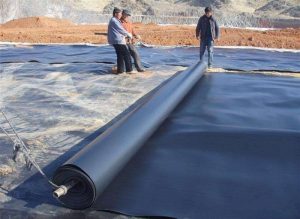
3. Chemical and UV Resistance
Both PVC and HDPE geomembranes are used in environments exposed to chemicals, but their levels of resistance differ.
- PVC Geomembrane: PVC geomembranes are moderately resistant to chemicals, but they are more susceptible to degradation when exposed to certain solvents, oils, and hydrocarbons. Additionally, PVC geomembranes are prone to UV degradation over time if not properly protected or covered. This limits their use in applications that require prolonged exposure to direct sunlight.
- HDPE Geomembrane: HDPE excels in chemical resistance, particularly when exposed to aggressive chemicals such as acids, alkalis, and hydrocarbons. HDPE’s superior resistance to UV radiation also makes it an ideal choice for outdoor applications that involve long-term exposure to sunlight, such as wastewater treatment plants, mining sites, and landfill liners. In general, HDPE is more durable in harsh chemical environments compared to PVC.
4. Installation and Welding
The ease of installation and welding is another key factor that distinguishes PVC from HDPE.
- PVC Geomembrane: Due to their flexibility, PVC geomembranes are relatively easy to install, especially in projects with complex or irregular surfaces. PVC geomembranes can be welded together using a process known as “hot air welding” or “solvent welding,” which involves heating the material and pressing the seams together. This method is fast and efficient, allowing for a strong and reliable bond. The flexibility of PVC also means that fewer seams are needed, which can reduce the risk of leaks.
- HDPE Geomembrane: Geomembranes require more specialized installation techniques. They are typically welded using “extrusion welding” or “fusion welding,” both of which require precision equipment and skilled technicians. The stiffer nature of HDPE can make installation more challenging, particularly in projects with complex geometry. However, once installed, the seams of HDPE geomembranes are exceptionally strong and resistant to chemical and mechanical stress.
5. Longevity and Durability
The longevity and durability of a geomembrane are crucial considerations for projects that require long-term containment and environmental protection.
- PVC Geomembrane: PVC geomembranes offer excellent short- to medium-term durability, particularly in applications where flexibility is required. However, PVC’s susceptibility to UV degradation and its lower chemical resistance can limit its lifespan in certain environments. For applications where the geomembrane will be buried or covered, PVC can provide a lifespan of 15 to 20 years or more, depending on the environmental conditions.
- HDPE: HDPE is known for its long-term durability and can last for 50 years or more in the right conditions. Their resistance to UV radiation, chemicals, and mechanical stress makes HDPE an ideal choice for projects that require long-term performance. HDPE is often used in applications such as landfills, mining containment, and water treatment facilities where durability and resistance to environmental factors are critical.
Conclusion
PVC and HDPE geomembranes both serve critical roles in protecting the environment and ensuring the structural integrity of various engineering projects. However, the choice between the two depends on the specific needs of the application. PVC geomembranes are known for their flexibility and ease of installation, making them ideal for projects that require adaptability to irregular surfaces. On the other hand, geomembranes offer superior durability, chemical resistance, and long-term performance, making them the material of choice for projects exposed to harsh environmental conditions.
Ultimately, understanding the differences between PVC and HDPE geomembranes can help project engineers and decision-makers select the right material for their needs, ensuring the success and sustainability of their projects.
