


Asphalt Reinforcement: Fiberglass Geogrid Knitted with Ultra-Light Nonwoven Fabric
In modern road construction, durability, cost-efficiency, and sustainability are paramount. Fiberglass geogrid knitted with ultra-light nonwoven fabric represents a breakthrough in asphalt reinforcement technology, combining the high tensile strength of fiberglass with the multifunctional benefits of nonwoven textiles. This article explores the key advantages of this composite material and why it is becoming the go-to solution for infrastructure projects worldwide.
What is the Composite Material?
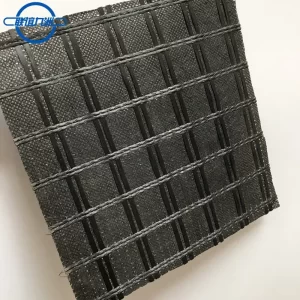

The composite consists of two primary components:
- Fiberglass Geogrid: A grid structure made from alkali-free fiberglass yarn, coated with modified asphalt or polymer for enhanced adhesion and chemical resistance.
- Ultra-Light Nonwoven Fabric: A lightweight, permeable geotextile (typically polypropylene or polyester) knitted directly onto the geogrid.
The two layers are integrated through a specialized knitting process, creating a unified material that leverages the strengths of both components. The two main components of your composite material—fiberglass geogrid and ultra-light nonwoven fabric—serve distinct yet complementary functions in asphalt reinforcement. Here’s a breakdown of their roles:
1. Fiberglass Geogrid: Structural Reinforcement
Main Function:
-
Load Distribution & Stress Transfer
The primary function of the fiberglass geogrid is to reinforce the asphalt layer by distributing the loads and stresses across the surface. This helps to reduce localized stress concentrations that typically lead to cracking and rutting.-
Tensile Strength: The geogrid resists tensile forces, preventing the asphalt from stretching and cracking under heavy traffic loads.
-
Structural Integrity: Its open grid structure helps to lock the asphalt in place, reducing reflective cracking and improving pavement stability.
-
Additional Benefits:
-
Improved Asphalt Bonding: The interlocking nature of the geogrid enhances the bond between the asphalt and the underlying layers.
-
Enhanced Flexibility: While strong, the geogrid allows the pavement to flex slightly, adapting to traffic movements without cracking.
2. Ultra-light Nonwoven Fabric: Functional Support and Bonding
Main Function:
-
Improved Bonding & Surface Adhesion
The nonwoven fabric plays a critical role in enhancing the adhesion between the fiberglass geogrid and the asphalt, especially at the interface. It helps to improve the bonding of the geogrid to the asphalt binder, ensuring the composite material stays securely in place throughout its life.-
Filler and Cushioning: The nonwoven fabric fills voids in the asphalt, providing a cushioning effect that distributes loads more evenly and reduces stress concentrations.
-
Enhanced Stress Resistance: It provides an additional layer of stress distribution, particularly useful in high-traffic areas or locations with fluctuating temperatures.
-
Additional Benefits:
-
Lightweight & Easy to Handle: The nonwoven fabric is lightweight, making it easy to install without adding significant weight to the composite, and helping reduce labor costs.
-
Water Drainage: Nonwoven fabrics can also allow some drainage, which is beneficial in preventing water accumulation and its damaging effects on the pavement.
Why Combine Fiberglass Geogrid with Nonwoven Fabric?

1. Improved Performance and Longevity
Fiberglass geogrids are known for their excellent tensile strength, low elongation, and resistance to high temperatures, which makes them an ideal choice for reinforcing asphalt. When combined with an ultra-light nonwoven fabric, the composite material achieves even greater durability. The nonwoven fabric serves as an additional layer that enhances bonding with the asphalt binder, improving the overall structural integrity of the pavement. This combination significantly reduces the occurrence of cracks, rutting, and other common asphalt pavement issues, extending the lifespan of roads and minimizing maintenance costs.
2. Enhanced Stress Distribution
The fiberglass geogrid’s open structure allows for efficient load distribution, reducing stress concentrations that typically lead to cracking. The nonwoven fabric further supports this by filling voids and creating a uniform layer that evenly distributes the load across the surface. This synergy between the two materials helps to alleviate strain on the asphalt, especially under high-traffic conditions, which is crucial for maintaining the strength and resilience of the pavement over time.
3. Lightweight and Easy to Install
One of the most notable benefits of this composite material is its lightweight design. The combination of fiberglass geogrid and nonwoven fabric results in a product that is easy to handle and install, reducing labor costs and construction time. This ease of installation makes it particularly suitable for both new road construction and rehabilitation projects. The lightweight nature of the composite also ensures minimal disruption to the surrounding environment, leading to faster project completion.
4. Superior Bonding with Asphalt
The ultra-light nonwoven fabric provides superior bonding between the geogrid and the asphalt layer, preventing slippage and ensuring better adhesion during the paving process. This results in stronger, more durable pavement structures that can better withstand the harsh demands of high-traffic roads, airport runways, and other infrastructure projects. The enhanced bonding capabilities of the composite material also improve the overall performance of the asphalt, preventing delamination and increasing its resistance to cracking and deformation.
5. Sustainable and Cost-Effective
In addition to improving pavement durability, the fiberglass geogrid and nonwoven fabric composite is an environmentally friendly solution. By increasing the lifespan of the asphalt layer and reducing the need for frequent repairs or overlays, this material contributes to reducing the consumption of raw materials and lowers the overall carbon footprint of road construction projects. The extended service life of roads translates into significant cost savings in terms of maintenance and rehabilitation over the long term.
6. Versatility in Application
This composite material is incredibly versatile and can be used in a wide range of asphalt reinforcement applications. It is suitable for highways, arterial roads, industrial pavements, parking lots, airport runways, and more. Whether used for new construction or pavement rehabilitation, the combination of fiberglass geogrid and nonwoven fabric ensures a reliable and efficient solution for enhancing the performance of any asphalt surface.
Why Choose This Composite Material?

1. Solving Common Pavement Challenges
Traditional asphalt reinforcement methods often struggle with:
- Reflective cracking from unstable subgrades.
- Water damage due to poor drainage.
- High costs of over-engineering to compensate for weak soils.
This composite addresses these issues by:
- Combining reinforcement and filtration in a single product.
- Enhancing load-bearing capacity on soft or variable subgrades.
- Extending service life of roads, runways, and parking lots.
2. Ideal Applications
- Highways and Expressways: Reinforce base layers to handle heavy truck traffic.
- Airport Runways: Resist jet blast forces and thermal stresses.
- Urban Roads: Prevent potholes and cracking in high-traffic zones.
- Bridge Decks: Lightweight design reduces structural load while improving durability.
3. Technical Validation
- Certifications: Complies with ISO 9001, CE, and ASTM standards for geosynthetics.
- Case Studies: Proven success in projects with reduced cracking rates (e.g., 60% fewer cracks after 5 years in a highway trial).
Conclusion
The fiberglass geogrid knitted with ultra-light nonwoven fabric composite represents a paradigm shift in asphalt reinforcement. By merging the rigidity of fiberglass with the adaptability of nonwoven textiles, it delivers unmatched crack resistance, cost savings, and environmental benefits. For engineers and project managers seeking to future-proof infrastructure, this material is not just an option—it’s a strategic advantage.
Invest in smarter reinforcement. Build roads that last.
