
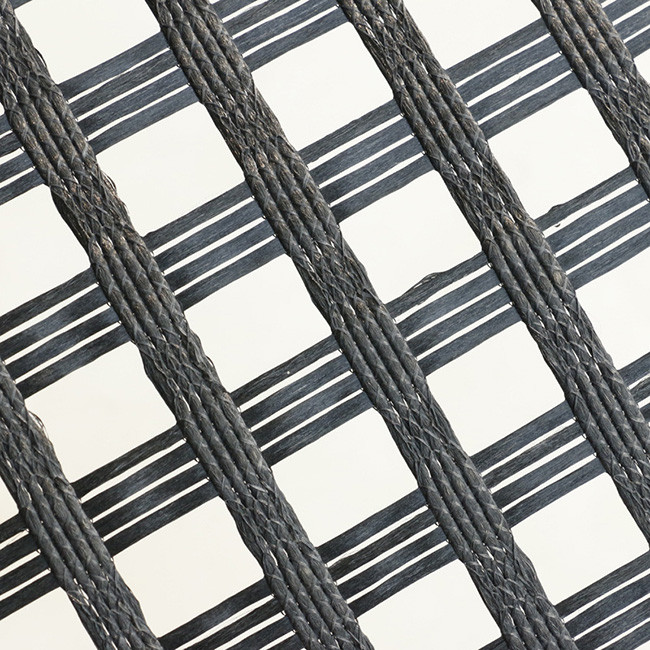

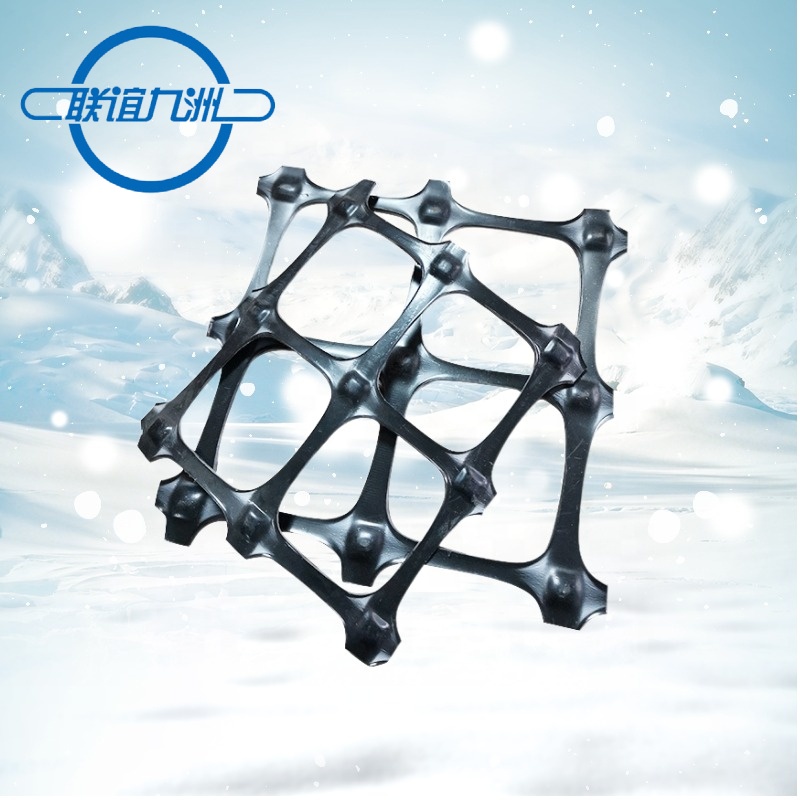
Highways, Railways, Airports, and Embankments Infrastructure projects depend on a good stable foundation. One of the most efficient geosynthetic products created for soil stabilization and reinforcement is the PP biaxial geogrid. Strength, durability, and cost efficiency in terms of large-scale construction make this product a vital solution in today’s modern civil engineering.
It will comprehensively guide what PP biaxial geogrid is, its uses, the differences presented compared to uniaxial geogrids, applications, and advantages with FAQs, some tips on installation, and a maintenance guideline.
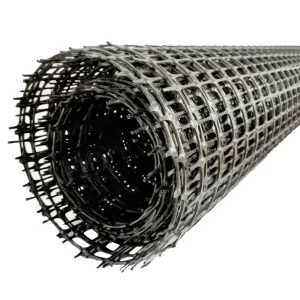
What is PP Biaxial Geogrid?
PP Biaxial Geogrid is a geosynthetic extrusion material, punched and stretched out of polypropylene where orientation takes place by stretching it such that the polymer molecules are aligned. This results in high ultimate tensile strength being developed in both directions-longitudinal as well as cross directions.
- Material: Polypropylene (PP), known for its resistance to chemicals, corrosion, and biological degradation.
- Structure: A square or rectangular grid with consistent apertures.
- Function: Designed to distribute load evenly, reinforce soil, and improve the overall stability of roadbeds, embankments, and retaining walls.
PP biaxial geogrids are especially useful in weak soil conditions where bearing capacity is low. By interlocking with aggregates, they enhance load distribution and reduce settlement.
How to Use PP Biaxial Geogrid?
The effectiveness of PP biaxial geogrid depends on proper installation. General steps include:
Subgrade Preparation:
Clear vegetation, soft soil, and debris.
Level the foundation and ensure proper compaction.
Placement of Geogrid:
Roll out the geogrid directly on the prepared soil.
Ensure the grid lies flat without wrinkles.
Overlap (Lapping):
Adjacent sheets should overlap by 20–40 cm, depending on soil condition and load requirements.
Fixing:
Secure geogrid with U-shaped pins, staples, or by overlapping with aggregate to prevent displacement.
Backfilling and Compaction:
Place aggregates or soil over the geogrid.
Compact in layers to achieve maximum interlock and bearing strength.
Multi-layer Installation (if required):
For very weak soil, multiple layers of geogrid can be used with fill layers in between.
Difference Between PP Biaxial Geogrid and Uniaxial Geogrid
| Feature | PP Biaxial Geogrid | Uniaxial Geogrid |
| Material | Polypropylene (PP) | HDPE / PET or PP |
| Strength Direction | Both longitudinal and transverse | Primarily in one direction |
| Best Application | Roadbeds, railways, airports, embankments | Retaining walls, steep slopes |
| Flexibility | Suitable for areas with multi-directional stress | Designed for unidirectional reinforcement |
| Installation | Easy, requires overlapping | Requires anchoring, often with reinforcement |
| Cost Efficiency | Highly cost-effective for soil stabilization | Higher cost but essential for vertical load-bearing walls |
Main Applications of PP Biaxial Geogrid
PP biaxial geogrids are used in a wide range of civil and geotechnical engineering projects:
Highways and Roads extend pavement life, reduces rutting.
Railways strengthen all ballast layers, minimization of settlement.
Airports provide stable support under the foundation for heavy loads from aircraft.
Embankments and Dikes prevent lateral spreading and improves slope stability.
Landfills reinforce the soil layers to avoid uneven settlement. Mining and Industrial Yards stabilize heavy truck paths as well as storage areas.
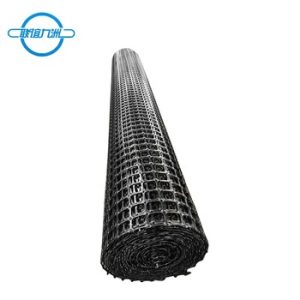
Functions of PP Biaxial Geogrid
Soil Reinforcement: Enhances shear resistance of weak subgrades.
Load Distribution: Spreads traffic loads over a wider area.
Settlement Reduction: Minimizes differential settlement in soft soils.
Erosion Control: Provides surface stability and prevents soil loss.
Cost Savings: Reduces aggregate thickness required for roadbeds.
Advantages of PP Biaxial Geogrid
High Tensile Strength in Two Directions
Provides stability for multi-directional loads.
Durability
Resistant to chemicals, biological degradation, and corrosion.
UV and Weather Resistance
Suitable for outdoor, long-term projects.
Easy Installation
Lightweight, flexible, and easy to handle on site.
Cost Efficiency
Reduces construction costs by minimizing aggregate requirements.
Extended Service Life
Prolongs the life of road and infrastructure projects.
PP Biaxial Geogrid FAQs
1、Which is more durable: PP geogrid or PET/HDPE geogrid?
PET/HDPE geogrids usually offer higher long-term creep resistance, but PP biaxial geogrids are more cost-effective and chemically resistant in common soil environments.
2、What types of projects use biaxial geogrid?
Highways, railways, airports, embankments, parking lots, and mining haul roads.
3、How much can PP biaxial geogrid improve soil bearing capacity?
Typically improves load-bearing by 50–200%, depending on soil conditions.
4、How to select aperture size and tensile strength?
Choose based on soil type, aggregate size, and expected load. Common apertures: 25–40 mm.
5、Is overlap required during installation?
Yes, standard overlap is 20–40 cm. For weak soils, larger overlaps may be needed.
6、Should it be used with geotextiles or geomembranes?
Often combined with geotextiles for filtration and separation. In landfills, combined with geomembranes for sealing.
7、What is the service life of PP biaxial geogrid?
Generally over 30 years, with UV and anti-aging treatments.
8、How to judge quality when purchasing?
Check tensile strength, elongation, aperture size, and compliance with standards like ISO 10319 or ASTM D6637.
PP Biaxial Geogrid Usage and Maintenance Guide
Handling: Avoid dragging on rough ground to prevent tearing.
Storage: Keep in a dry, shaded area away from direct sunlight.
Inspection: Check for cuts or damage before installation.
Installation: Ensure proper overlap and compaction to avoid gaps.
Maintenance: Once buried and compacted, little maintenance is needed.
Conclusion
PP biaxial geogrid is a basic material in projects of civil engineering works that require stabilization and reinforcement of soils. It offers high tensile strength in two directions, with great durability and at a low cost, making it the best option for road construction and railways, airports, embankments, and landfills.
With proper installation practices being keen on selecting suitable specifications together with quality control, engineers have a guarantee to unleash the performance of PP biaxial geogrids therefore extending the lifespan of critical infrastructure.
PP biaxial types are versatile compared to uniaxial geogrids and suitable for applications where loads come from more than one direction. The greater the demand is for stronger and more sustainable infrastructure in this world, that much more significant is the increasing role of PP biaxial geogrids.
