PRODUCTS
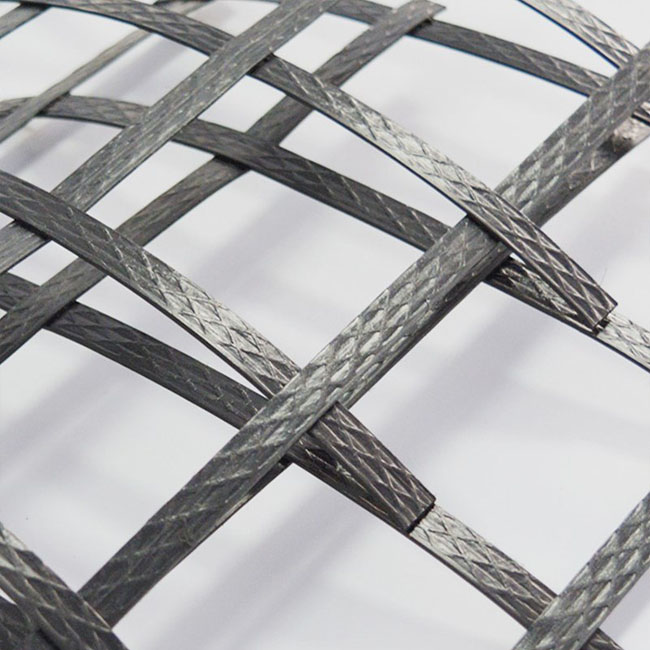
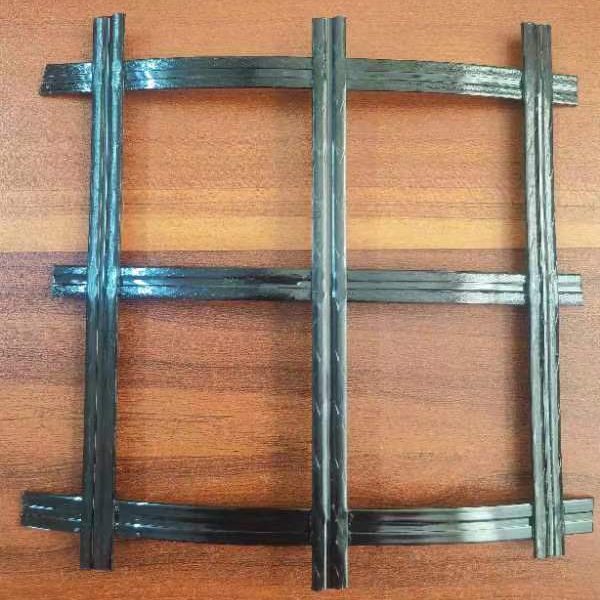
PP (Polypropylene) welded geogrid is another type of geosynthetic material used for soil reinforcement, ground stabilization, and various civil engineering applications. Similar to PET welded geogrids, PP welded geogrids are constructed from extruded polypropylene strips that are welded together, often using ultrasonic welding techniques.
PET welded geogrid is a type of geosynthetic material made from extruded polyethylene terephthalate (PET) strips that are heat-bonded together through an ultrasonic welding process. This construction method provides strong and durable geogrids that are used for soil reinforcement, ground stabilization, and other civil engineering applications.
Polypropylene (PP) nonwoven geotextile is a type of fabric used in civil engineering and construction projects for soil stabilization, erosion control, and drainage. Made from polypropylene fibers using the nonwoven process, this geotextile is known for its robustness, durability, and adaptability to various environmental conditions.
Polypropylene (PP) spunbond nonwoven fabric is a widely used material known for its strength, versatility, and cost-effectiveness. It is manufactured through the spunbond process, which involves extruding molten polymer through spinnerets to create continuous filaments that are laid down in a web and bonded together.
PET spunbond nonwoven fabric is a high-performance material made from polyethylene terephthalate (PET) fibers using the spunbond process. Known for its durability, strength, and versatility, this fabric has a wide range of applications across various industries.
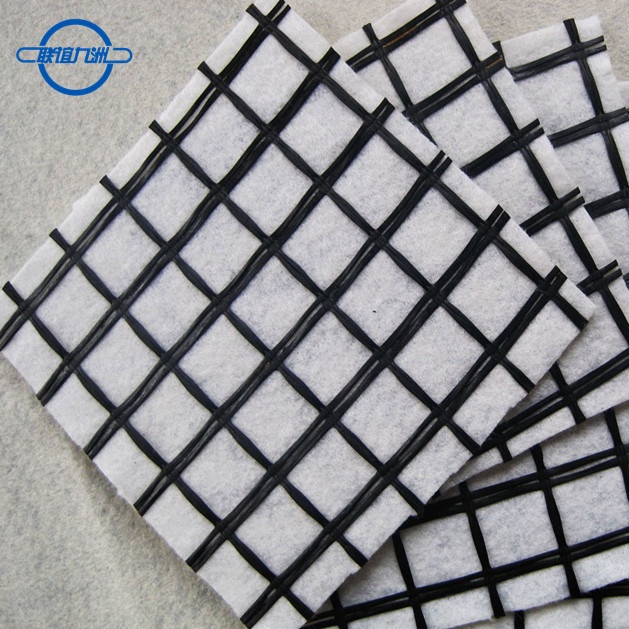
Fiberglass Geogrid Composite with nonwoven geotextile is an asphalt reinforcement composite that fiberglass geogrid with PET Nonwoven geotextile on one side. They are composited together by pressure sensitive glue. The chemistry stability is good, the hot-stability is good, anti-weary dehiscence, anti-low temperature shrinkage crack, postponement reduction reflection crack. The nonwoven simplifies installation and ensures continuous bond between the layers. This excellent adhesion allows Geocomposite to take up and evenly distribute tensile forces.