

Article Abstract:
In projects that involve geotechnical and civil engineering, the words geogrid and geotextile are often combined and, in some instances, misinterpreted as being interchangeable.
However, authoritative literature like Koerner’s Designing with Geosynthetics, the ASTM standards on geosynthetics, and the FHWA guidelines on pavement design differentiate between these two materials in regard to their structural properties, mechanical behavior, and functional performance.
Based on the detailed description, it determines if geogrid is the same as geotextile by studying their composition of material, their transfer of load mechanisms, their engineering functions, their application scenarios, and their design considerations.
Instead of providing a simple comparison, this article provides a technically-based framework that can be used by engineers, contractors, and project owners to select the appropriate geosynthetic solution for real-world infrastructure issues.
Introduction: Why the Confusion Between Geogrid and Geotextile Exists?
The query ” Is geogrid the same as geotextile?” is commonly encountered in forums dedicated to engineering, procurement, and even bids for projects. This misconception is understandable. Both materials are part of the larger family of geosynthetics; they are both polymeric in nature and have been widely utilized in the stabilization of soil and the enhancement of infrastructure.
From a non-professional perspective, they are often placed in locations that are similar to the soil’s profile and appear to have the same visual appearance when placed on the site.
However, in professional geotechnical practice, geogrid and geotextile are fundamentally dissimilar materials that are intended to fulfill different functions.
Treating them as substitutes can lead to underperforming structures, early failures, or extra costs. This distinction is of special importance in applications like road base enhancement, retaining walls, embankments, and erosion control devices.
To adequately answer the question, we must transcend the surface level and investigate how each material interacts with soil, distributes stress, and has a long-term effect on structural stability.
What Are Geosynthetics? A Necessary Foundation
Before evaluating geogrid and geotextile directly, it’s important to understand the larger umbrella category they belong to. Geosynthetics are synthetic products derived from polymeric materials that are used in conjunction with soil, rock, or another geotechnical material during civil construction.
According to the ISO 10318 and ASTM terminology standards, geosynthetics are composed of multiple product types, including geotextiles, geogrids, geomembranes, geons, and geocomposites. Each category is characterized by its unique physical shape as well as by its intended engineering purpose.
This classification has a significant importance: while geogrid and geotextile are not considered variations of the same product, they are instead considered as separate categories within a larger system of material design, each having a different purpose in mechanical applications.
What Is a Geotextile?
- Theaterial’s Composition and manufacturing process
A geotextile is a fabric that is permeable and composed of synthetic polymers like polypropylene or polyester. It’s manufactured in a variety of forms, including woven, nonwoven, and knitted, which results in a continuous structural sheet. The textile nature of geotextiles allows them to interact with soil constituents at the micro-scale, which enables the function of filtration and separation.
Nonwoven geotextiles are typically created through the use of a needle or athermal methods, which create a fabric that resembles felt with a high capacity for permeability. Woven geotextiles, however, are created by intersecting fabric, which results in a higher tensile strength but a lower elongation.
- The core functions of geomembranes that are relevant to engineering are listed below
Geotextiles are primarily employed for division, drainage, filtration, and protection. Their capacity to facilitate water’s passage while still retaining soil particles makes them essential in situations where the mechanical stability of the soil is as important as its hydraulic performance.
In pavement systems, geotextiles are employed to prevent the combination of the subgrade soil and the aggregate layers. In drainage systems, they function as a filter that surrounds pipes or stone layers. In the control of erosion, they maintain the soil’s surface while allowing vegetation to grow.

What Is a Geogrid?
- Structural Geometry and the Mechanism of Load Transfer
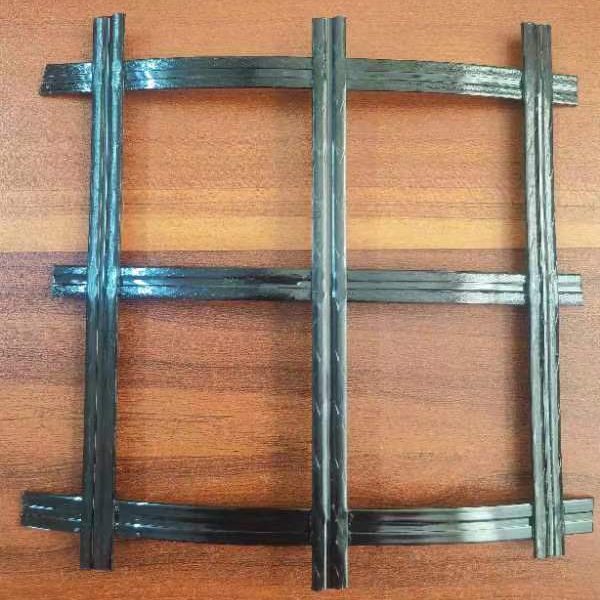
A geogrid is a synthetic material that is composed of open, grid-like structures formed by intersecting ribbons. Unlike geotextiles, geogrids are not composed of a single continuous layer. Instead, they have large openings that allow soil or other particles to mechanically interlock with the grid.
Geogrids are typically created through extrusion, weaving, or welding methods, and may have a uniaxial, biaxial, or triaxial composition, depending on the directionality of their tensile strength.
- The central functions of Core Engineering in relation to Geogrids
The primary purpose of a geogrid is to strengthen soil. Through mechanical locking and resistance that is tensile, geogrids increase the distribution of loads, reduce the movement of soil laterally, and increase the capacity of soil structures.
Geogrids are frequently employed in soil-based walls, slopes, embankments, and road base design where the tensile strength and long-term resistance of the soil are of paramount importance.
Are Geogrid and Geotextile the Same? A Direct Answer
From a standards-based and engineering perspective, geogrid is not identical to geotextile. Despite both being synthetic, they have different attributes:
- Physical composition
- Mechanical behavior
- The main function of primary engineering is.
- The mechanism of interaction with the soil.
- Common design approaches
Distinguishing the two is similar to treating steel rebar and concrete as being interchangeable because they are both used in structural systems.
Key Differences Between Geogrid and Geotextile
| Aspect | Geogrid | Geotextile |
| Structure | Open grid with apertures | Continuous fabric sheet |
| Primary Function | Reinforcement | Separation, filtration |
| Load Transfer | Mechanical interlock | Friction and confinement |
| Water Permeability | High (open structure) | Controlled permeability |
| Typical Strength Metric | Tensile strength at low strain | Tensile strength and puncture resistance |
Mechanical Behavior in Soil Systems
One of the primary differences between geogrid and geotextile is in the way they interact with the soil around them. Geogrids are dependent on the interlocking of particles, which causes the aggregate to occupy the spaces between the grids. This creates a soil composite that can carry more weight over a larger area.
Contrastingly, geotextiles have a primarily surface-based interaction. While they have a tensile strength that is comparable to that of steel, their behavior regarding elongation and stress-strain is not well-suited for use in high-density applications.
This discrepancy is responsible for the fact that geogrids have a greater presence in soil structures that are reinforced by geotextiles, while geotextiles are more popular for their hydraulic and Separation functions.
Application Scenarios: When to Use Each Material?
- Street and Highway Construction
In unpaved and paved roadways, geogrids are typically employed in the base layer to augment the capacity to bear weight and reduce ruts. Conversely, Geotextiles are employed beneath the base layer to prevent the soil from being contaminated by the finest subgrade soils.
Many optimized designs utilize both materials, each performing a complementary role instead of competing functions.
- Preserving Walls and Flats
Reinforced soil walls are primarily composed of geogrids because of their tensile strength and long lifespan. Geotextiles can still be employed for drainage and filtration beneath the wall’s surface, but they cannot be used as the primary reinforcing component.
Combined Use: Geogrid and Geotextile in Geocomposites
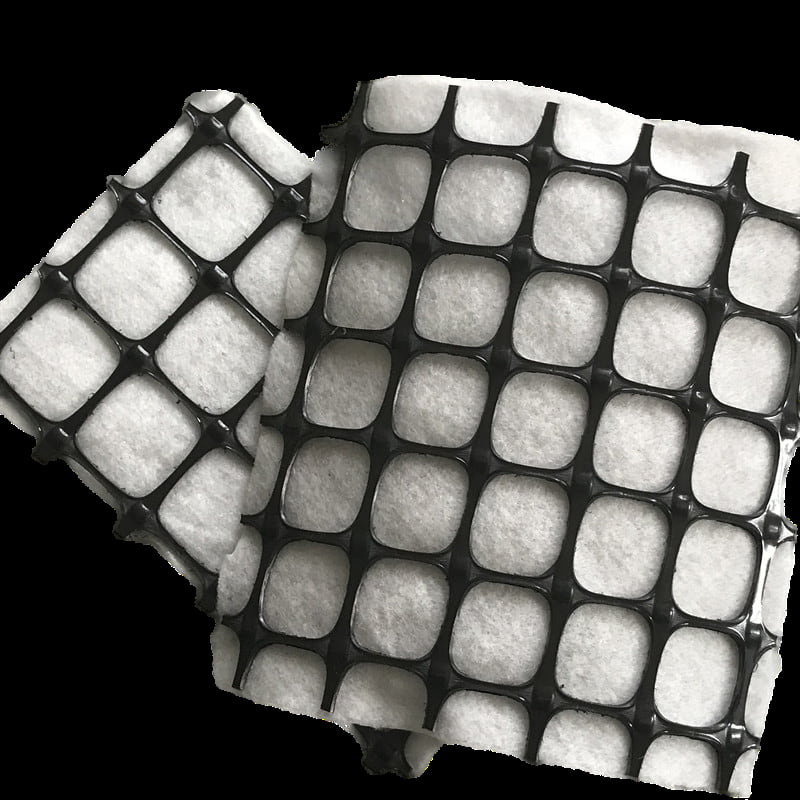
Modern geotechnical solutions increasingly use geocomposites, which combine geogrids and geotextiles into a single product. These systems leverage the reinforcement capability of geogrids and the filtration or separation function of geotextiles, offering installation efficiency and performance optimization.
| Function | Material Contribution |
| Reinforcement | Geogrid component |
| Filtration | Geotextile component |
| Installation Efficiency | Integrated structure |
Cost Considerations and Lifecycle Performance
From a financial perspective, geotextiles are typically less expensive per square meter than geogrids. However, the lifecycle cost analysis typically shows that selecting the appropriate material for the appropriate function has a greater long-term value than minimizing the initial cost of material.
Incorrectly substituting components—for example, using geotextile to replace geogrid or failing to account for the cost of materials—can lead to early maintenance or structural failure, the result being a far greater expense than the initial savings.
Common Misconceptions in Industry Practice
A widespread misconception is that a higher stretchiness score automatically renders a geotextile capable of reinforcement. In practice, the tensile strength alone is not sufficient to define the performance of reinforcements; the behavior of strain, the geometry of the aperture, and the interaction between soil and the structure are all critical.
Another common misconception is that geogrids serve as a filter. Despite their open design that allows water to flow through them, they lack the small-scale control of pores that is necessary for effectivefiltration.
Standards and Design Guidelines
Engineering standards specifically differentiate between geogrids and geotextiles. ASTM D6637 concerns the tensile strength of geogrids, while ASTM D4595 and ISO 10319 are typically used for geotextiles.
The design methods in the FHWA and AASHTO guidelines differentiate between the two materials as having different functions.
Frequently Asked Questions (FAQ)
Q1: Is the geogrid more powerful than the geotextile?
Geogrids typically have a higher tensile strength at low stress and are specifically designed to strengthen, making them more powerful in bearing loads.
Q2: Can soil from the ground replace the soil on the uplands?
In situations where reinforcements are employed, geotextiles typically cannot compete with geogrids because of disparities in the way they are transferred.
Q3: Is the combination of geogrid and geotextile utilized?
Yes. Many road and stonewalled designs have a dual purpose: they simultaneously achieve separation and reinforcement.
Q4: Which is more beneficial for drainage?
Geotextiles are more effective at preventing soil erosion and drainage; their controlled distribution of pores is beneficial.
Q5: How do professionals in the engineering profession choose between one of these?
Selection is based on function, soil conditions, load requirements, and applicable design standards—not on appearance or cost alone.
Conclusion: Understanding the Difference Is a Design Necessity
So, is geogrid the same as geotextile? The conclusive response is negative. While both materials are part of the geosynthetics family, they typically serve different purposes in engineering. Geogrids augment the soil’s tensile strength and interlock, while geotextiles regulate the separation, filtration, and drainage.
For those involved in engineering, construction, and decision-making regarding infrastructure, understanding the distinction is not simply academic. It’s crucial to a safe, efficient, and durable design.
