


Continuous filament nonwoven geotextile is an advanced material used extensively in civil engineering, construction, and environmental projects. Known for its durability, high tensile strength, and versatile properties, this type of geotextile is designed to improve the performance of various applications, from erosion control and drainage systems to reinforcement and filtration. In this article, we will explore what continuous filament nonwoven geotextiles are, their manufacturing process, applications, benefits, and their role in modern infrastructure development.
1. Introduction to Geotextiles
Geotextiles are permeable fabrics used in geotechnical engineering applications to provide stabilization, filtration, separation, and reinforcement in soil, rock, or other granular materials. These materials are designed to enhance the performance of civil engineering projects by improving soil strength, drainage efficiency, and the overall longevity of structures. Geotextiles come in various types, including woven, nonwoven, and knitted, each suited for specific applications.
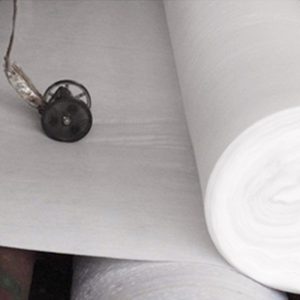
Continuous filament nonwoven geotextile is a particular category of nonwoven geotextile that is created using continuous filaments (long fibers). This type of geotextile is made from synthetic polymers like polyester, polypropylene, or nylon. The continuous filament construction ensures that the fibers are uninterrupted, providing a stronger and more durable fabric compared to staple fibers.
2. Manufacturing Process of Continuous Filament Nonwoven Geotextiles
The production of continuous filament nonwoven geotextiles involves several key steps. These processes are designed to create a fabric that is durable, stable, and suitable for various engineering applications:
- Polymer Extrusion: The process begins with the extrusion of a polymer, such as polypropylene or polyester, which is melted and then formed into continuous filaments. This is done by forcing the molten polymer through a die to create long fibers that do not require cutting or breaking.
- Web Formation: Once the continuous filaments are extruded, they are cooled and laid out into a web-like structure. This web can be produced through different techniques, including carding, air-laying, or wet-laying, depending on the intended properties of the final product.
- Needle Punching or Thermal Bonding: To enhance the strength and integrity of the fabric, the web of filaments is subjected to a needling or thermal bonding process. In needling, barbed needles are used to entangle the fibers, while in thermal bonding, heat is applied to melt and fuse the filaments together, creating a cohesive fabric.
- Finishing Treatments: After the fabric is formed, it may undergo various finishing treatments, such as UV stabilization, to improve its durability and resistance to environmental factors like sunlight and moisture.
This production process results in a fabric that is highly durable, non-biodegradable, and resistant to the elements, making it ideal for long-term use in construction and infrastructure projects.
3. Applications of Continuous Filament Nonwoven Geotextiles
Nonwoven geotextiles are versatile materials used in a wide range of applications, primarily in civil engineering, construction, and environmental projects. Some of the most common applications include:
3.1 Separation and Reinforcement
In road construction, continuous filament nonwoven geotextiles are used as separators between different layers of materials, such as soil, gravel, and sand. By preventing the mixing of soil and aggregate, these geotextiles enhance the load-bearing capacity of the structure and prevent settling, cracking, and other damage caused by soil movement. They also provide reinforcement to the soil, improving its strength and stability.
3.2 Drainage Systems
One of the key functions of continuous filament nonwoven geotextiles is to facilitate drainage in various applications, such as landfills, embankments, and roadways. These geotextiles allow water to pass through while preventing the migration of soil particles, thus maintaining the integrity of drainage systems. By allowing for efficient water flow, they help reduce hydrostatic pressure and prevent water accumulation, which can weaken structures over time.
3.3 Erosion Control
In coastal, riverbank, and hillside applications, continuous filament nonwoven geotextiles are used for erosion control. The fabric provides a protective barrier that helps to stabilize soil and prevent erosion caused by wind or water. In areas prone to erosion, these geotextiles are often used as part of a larger system of geosynthetic materials, such as erosion control blankets, to safeguard the environment and infrastructure.
3.4 Filtration
Continuous filament nonwoven geotextiles also serve as filtration materials in a variety of applications. For example, in stormwater management, these fabrics are used to filter out sediment and debris from water runoff, preventing the clogging of drainage systems and improving water quality. Similarly, they are used in landfills to filter out leachate and contaminants, protecting surrounding soil and water resources from pollution.
3.5 Landfill and Waste Containment
In landfill construction, continuous filament nonwoven geotextiles act as a barrier between waste materials and the surrounding environment. They are used as part of the composite lining system to contain hazardous materials and prevent leachate from contaminating groundwater. The fabric’s permeability and strength help ensure the stability of the landfill and prevent environmental damage.
4. Benefits of Nonwoven Geotextiles
The advantages of continuous filament nonwoven geotextiles make them a preferred choice for many construction and engineering applications. Here are some key benefits:
- High Durability: Nonwoven geotextiles are known for their exceptional durability and resistance to wear and tear. Their continuous filament construction makes them less prone to damage compared to staple fiber geotextiles, allowing them to last longer in harsh conditions.
- High Tensile Strength: These geotextiles offer excellent tensile strength, making them suitable for applications that require reinforcement and stabilization. Their ability to withstand heavy loads and pressures is critical in applications like road construction, embankments, and slope stabilization.
- Permeability: Continuous filament nonwoven geotextiles allow water to flow through them while retaining soil particles, providing an effective filtration and drainage solution. This permeability is essential in preventing water-related issues, such as flooding or soil erosion, in civil engineering projects.
- Environmentally Friendly: Most nonwoven geotextiles are made from synthetic polymers that are non-biodegradable and resistant to environmental degradation. While not biodegradable, these materials are recyclable and can be repurposed for other applications, making them a more sustainable option compared to some other construction materials.
- Cost-Effectiveness: Despite their high-performance characteristics, continuous filament nonwoven geotextiles are generally cost-effective. They offer long-term benefits, such as reduced maintenance costs and improved durability, which make them an attractive choice for infrastructure projects.
5. Conclusion
Continuous filament nonwoven geotextiles are indispensable materials in modern civil engineering and construction projects. Their ability to perform critical functions such as separation, reinforcement, drainage, erosion control, and filtration makes them vital for ensuring the stability, safety, and longevity of various infrastructure systems. As the demand for durable and sustainable construction materials grows, the role of continuous filament nonwoven geotextiles in the global construction industry will only continue to expand.
From enhancing soil stability in road construction to providing filtration and erosion control in environmental projects, these geotextiles offer a practical solution for many engineering challenges. Their high strength, durability, and versatility make them an essential tool for building the infrastructure of the future, helping to create safer, more reliable, and environmentally friendly solutions across the globe.
