


Introduction
In recent years, the construction and civil engineering industries have increasingly adopted innovative materials to improve infrastructure performance and longevity. One such material is the Steel Plastic Composite Geogrid, a versatile and efficient solution for various applications, including road construction, earth reinforcement, and slope stabilization. This article explores the key features of Steel Plastic Composite Geogrid, highlighting its benefits and applications, backed by relevant data.
What is Steel Plastic Composite Geogrid?
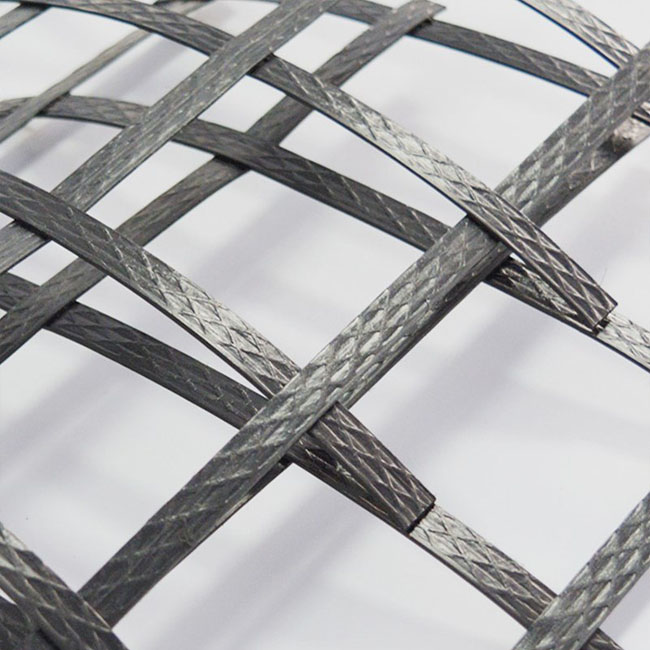
Steel Plastic Composite Geogrid is a geosynthetic material composed of a network of steel and plastic components. The unique combination of materials enhances its mechanical properties, making it suitable for demanding applications in soil reinforcement and stabilization. The geogrid consists of a polymer matrix that provides flexibility and resistance to environmental factors, while the steel component contributes to its strength and durability.
Key Features
1. High Tensile Strength
One of the standout features of Steel Plastic Composite Geogrid is its high tensile strength. Tensile strength is crucial for geogrids as it determines their ability to withstand loads without failure. According to various studies, these geogrids can achieve tensile strengths exceeding 50 kN/m, making them suitable for heavy load applications such as highway and railway constructions. For example, a project involving the reinforcement of a major highway in the UK reported a significant reduction in pavement deformation after the installation of Steel Plastic Composite Geogrid, demonstrating its effectiveness in load-bearing scenarios.
2. Durability and Corrosion Resistance
Durability is paramount in construction materials, especially when exposed to harsh environmental conditions. The composite nature of Steel Plastic Geogrid enhances its resistance to corrosion, UV radiation, and temperature fluctuations. Research indicates that when subjected to accelerated weathering tests, these geogrids maintain their structural integrity over extended periods, often exceeding 25 years of expected service life in real-world applications. This longevity not only reduces maintenance costs but also minimizes the need for frequent replacements, leading to overall project cost savings.
3. Effective Load Distribution
Steel Plastic Composite Geogrids excel in load distribution, which is essential in preventing soil erosion and failure in reinforced structures. The grid structure allows for even load distribution across the soil, reducing localized stress concentrations. A study published in the Journal of Geotechnical Engineering revealed that projects utilizing Steel Plastic Geogrids showed a 40% improvement in load distribution compared to traditional methods, resulting in enhanced stability and reduced settlement.
4. Easy Installation
The installation process of Steel Plastic Composite Geogrid is straightforward, making it a preferred choice for many contractors. The lightweight nature of the material facilitates easier handling and quicker installation times. In a case study conducted on a slope stabilization project, the use of these geogrids reduced installation time by approximately 30%, allowing for faster project completion without compromising quality.
5. Environmental Benefits
In today’s construction industry, environmental considerations are increasingly important. Steel Plastic Composite Geogrid contributes to sustainable construction practices by minimizing the amount of soil and materials needed for projects. Its ability to stabilize soil allows for reduced excavation and fill requirements. According to a report by the Environmental Protection Agency (EPA), the use of geogrids can lead to a 50% reduction in material use compared to traditional reinforcement methods. Additionally, their long service life means fewer materials are consumed over time, contributing to reduced environmental impact.
6. Versatile Applications
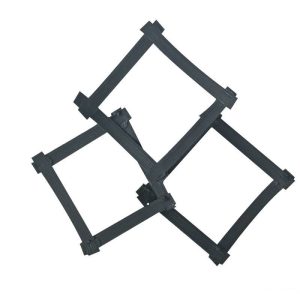
Steel Plastic Composite Geogrids are versatile and can be used in various applications, including:
- Road and Pavement Construction: They enhance the structural performance of roads, reducing rutting and extending service life.
- Retaining Walls: Their high strength and load distribution properties make them ideal for reinforcing retaining walls and preventing soil movement.
- Slope Stabilization: They effectively stabilize slopes, reducing the risk of landslides and erosion in vulnerable areas.
- Landfills: The geogrids provide support for landfill caps, enhancing stability and preventing settlement.
7. Cost-Effectiveness
While the initial cost of Steel Plastic Composite Geogrids may be higher than traditional materials, their long-term benefits make them a cost-effective choice. The durability, reduced maintenance needs, and longevity contribute to significant savings over the life of a project. According to a cost analysis performed on multiple infrastructure projects, the overall cost savings from using geogrids can reach up to 20% when factoring in reduced material use, labor costs, and maintenance.
Case Studies and Real-World Applications
Several notable projects have successfully utilized Steel Plastic Composite Geogrids, demonstrating their effectiveness:
- Highway Reinforcement Project in Canada: In this project, engineers implemented Steel Plastic Composite Geogrids to reinforce the base layer of a major highway. The results showed a 35% reduction in pavement deformation and a 25% increase in load-carrying capacity.
- Slope Stabilization in California: A critical slope stabilization project in California used these geogrids to mitigate landslide risks. Post-installation monitoring revealed a significant decrease in soil movement and erosion, ensuring the stability of the surrounding infrastructure.
- Landfill Cap Support in Texas: In a landfill project, Steel Plastic Composite Geogrids were employed to support the cap structure. The outcome was a reduced settlement rate and improved long-term stability of the landfill site, highlighting the versatility of geogrids in waste management applications.
Conclusion
Steel Plastic Composite Geogrids represent a significant advancement in geosynthetic materials, offering high tensile strength, durability, effective load distribution, and environmental benefits. Their versatility makes them suitable for various applications, from road construction to landfill support. With numerous successful case studies demonstrating their effectiveness, it is clear that these geogrids are a valuable asset in modern construction and civil engineering practices. As the industry continues to prioritize sustainability and efficiency, the adoption of Steel Plastic Composite Geogrids will likely increase, paving the way for more innovative and resilient infrastructure solutions.
By embracing such advanced materials, stakeholders in the construction sector can enhance project outcomes while contributing to a more sustainable future.
