

n the world of civil engineering and construction, the stabilization of foundations is a critical concern for ensuring the safety, longevity, and durability of structures. The foundation of a building, road, or any other infrastructure serves as the base that supports the entire load, and if not properly stabilized, it can lead to issues such as cracking settlement, and even structural failure. One of the most effective materials used in foundation stabilization is fiberglass geogrid. This advanced material is revolutionizing the way engineers and construction professionals approach soil stabilization, offering superior performance compared to traditional methods. In this article, we will explore what fiberglass geogrid is, how it works in foundation stabilization, its advantages, and its various applications in the construction industry.
1. What is Fiberglass Geogrid?
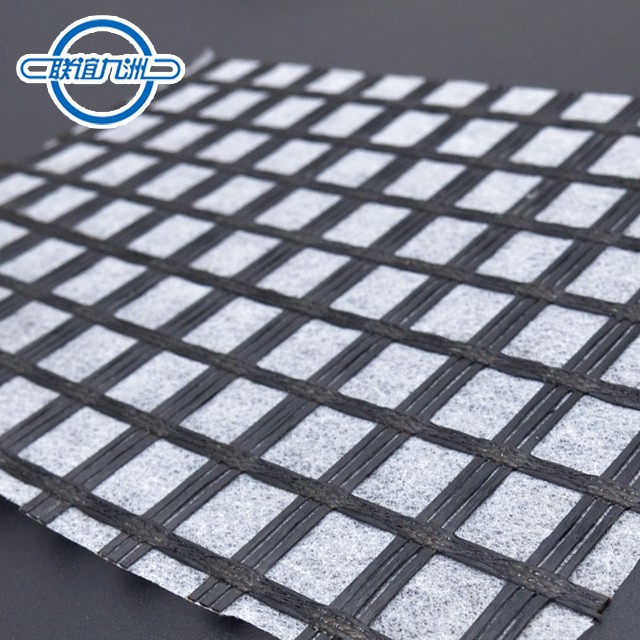
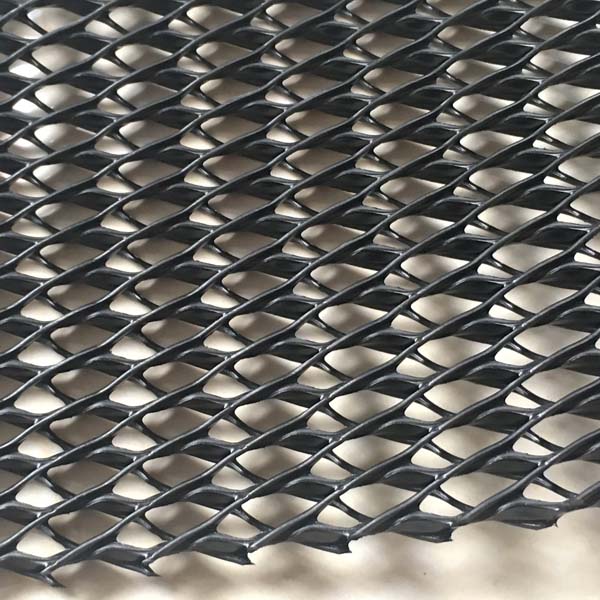
Fiberglass geogrid is a high-performance geosynthetic material made from fiberglass strands that are woven or knitted into a grid-like structure. These geogrids are designed to reinforce soils and other materials, providing added stability, strength, and durability. The fiberglass used in the geogrid is typically coated with a protective layer to enhance its resistance to environmental factors, such as UV rays, moisture, and chemical degradation.
The primary function of a geogrid, including fiberglass variants, is to distribute and transfer loads across a larger area, preventing soil movement and improving the bearing capacity of the foundation. Fiberglass geogrids are primarily used in applications where enhanced strength and high resistance to deformation are necessary, such as foundation stabilization, road construction, embankments, and retaining walls.
2. How Does Fiberglass Geogrid Work for Foundation Stabilization?
Fiberglass geogrids play an essential role in improving the stability and strength of the foundation by reinforcing the soil and distributing loads across a wider area. Here’s a breakdown of how fiberglass geogrids work for foundation stabilization:
2.1 Load Distribution
The key mechanism by which fiberglass geogrids stabilize foundations is their ability to distribute loads across a larger area. When a load is applied to a surface, the geogrid’s grid structure helps to spread the stress over the surrounding soil, reducing the concentration of pressure in any one spot. This uniform distribution of load prevents localized settlement and minimizes the risk of foundation failure due to soil compaction.
2.2 Soil Reinforcement
Fiberglass geogrids reinforce the soil by creating a mechanical connection between the grid structure and the surrounding soil particles. The open grid design allows the geogrid to interlock with the soil, enhancing the overall shear strength and stability of the soil. This interlocking action prevents the soil from shifting or sliding, particularly under heavy loads, making it an excellent solution for foundation stabilization in weak or unstable soils.
2.3 Prevention of Soil Movement
One of the most significant advantages of using fiberglass geogrid for foundation stabilization is its ability to prevent soil movement over time. When placed in the foundation, the geogrid prevents the lateral displacement of soil particles, reducing the risk of soil settlement, shifting, and erosion. This is especially important in areas where the soil may be prone to expansion or contraction due to moisture variations, temperature changes, or seismic activity.
2.4 Increased Bearing Capacity
Fiberglass geogrids increase the bearing capacity of weak or unstable soils. When a geogrid is placed in the ground, it provides added strength to the soil and prevents excessive deformation under load. This increase in bearing capacity is crucial for foundations that need to support large loads, such as buildings, bridges, and industrial structures. The geogrid distributes the load over a wider area, preventing the soil from compressing or failing under the weight of the structure.
3. Advantages of Using Fiberglass Geogrid for Foundation Stabilization
Fiberglass geogrid offers numerous advantages over traditional foundation stabilization methods, such as soil compaction, the use of cement, or other reinforcing materials. Here are some of the key benefits of using fiberglass geogrid for foundation stabilization:
3.1 Enhanced Durability
Fiberglass is known for its exceptional durability and resistance to wear and tear. Fiberglass geogrids are highly resistant to environmental factors such as UV degradation, moisture, and chemicals, making them ideal for long-term use in foundation stabilization. Unlike other materials, fiberglass does not degrade over time, ensuring that the geogrid continues to perform effectively for the life of the structure.
3.2 High Tensile Strength
Fiberglass geogrids are engineered to provide high tensile strength, which makes them ideal for use in applications that require the reinforcement of weak or unstable soils. The high tensile strength of fiberglass allows the geogrid to resist deformation and elongation under stress, providing enhanced soil stabilization. This makes fiberglass geogrids particularly useful for stabilizing foundations in areas with soft or expansive soils.
3.3 Lightweight and Easy to Handle
Compared to other geosynthetic materials, fiberglass geogrids are lightweight, making them easier to handle, transport, and install. Their light weight reduces labor costs and installation time, allowing for faster project completion. Despite being lightweight, the geogrids maintain high performance, making them a cost-effective solution for foundation stabilization.
3.4 Improved Load Distribution and Stability
As mentioned earlier, fiberglass geogrids provide excellent load distribution capabilities, helping to prevent localized settlement and reduce the risk of foundation failure. By evenly distributing loads across the foundation area, the geogrids ensure that the soil remains stable under pressure, which is particularly important in areas subject to heavy traffic or seismic activity.
3.5 Cost-Effective Solution
Fiberglass geogrids are a cost-effective solution for foundation stabilization. They offer long-term performance with minimal maintenance, reducing the need for frequent repairs or reinforcement. Additionally, the ease of installation and reduced labor requirements contribute to overall cost savings, making fiberglass geogrids a highly economical choice for foundation stabilization.
4. Applications of Fiberglass Geogrid in Foundation Stabilization
Fiberglass geogrids are used in a wide range of construction projects that require foundation stabilization. Some of the most common applications include:
4.1 Road and Highway Construction
In road and highway construction, fiberglass geogrids are used to stabilize the foundation of the roadbed and prevent cracking or settlement. By reinforcing the soil beneath the road surface, fiberglass geogrids enhance the road’s durability and resistance to traffic loads, preventing costly repairs and extending the lifespan of the road.
4.2 Building Foundations
In building construction, fiberglass geogrids are used to stabilize the foundation in areas with weak or expansive soil. The geogrid improves the soil’s bearing capacity and prevents settlement or shifting, ensuring that the building’s foundation remains stable and safe over time.
4.3 Retaining Walls
Fiberglass geogrids are often used in the construction of retaining walls to enhance their stability. The geogrid reinforces the soil behind the wall, preventing erosion and ensuring the wall can withstand the pressure exerted by the soil. This is particularly important in retaining walls that are subjected to heavy loads or environmental factors such as rainfall or seismic activity.
4.4 Embankments and Slopes
In embankments and slopes, fiberglass geogrids help to prevent soil erosion and stabilize the slope. The geogrid’s interlocking structure reinforces the soil, preventing landslides or slumping, which is especially important in areas with steep grades or heavy rainfall.
5. Conclusion
Fiberglass geogrid is a highly effective and durable material used for foundation stabilization. Its ability to reinforce soil, distribute loads, and prevent soil movement makes it an essential tool for modern construction projects. With its high tensile strength, environmental resistance, and cost-effectiveness, fiberglass geogrid is an ideal solution for stabilizing foundations in various applications, from road construction and building foundations to retaining walls and embankments.
As the construction industry continues to prioritize durability, safety, and sustainability, the role of fiberglass geogrids in foundation stabilization will only continue to grow. By offering long-term performance with minimal maintenance, fiberglass geogrids help ensure the stability and longevity of the infrastructure that supports our communities.
