
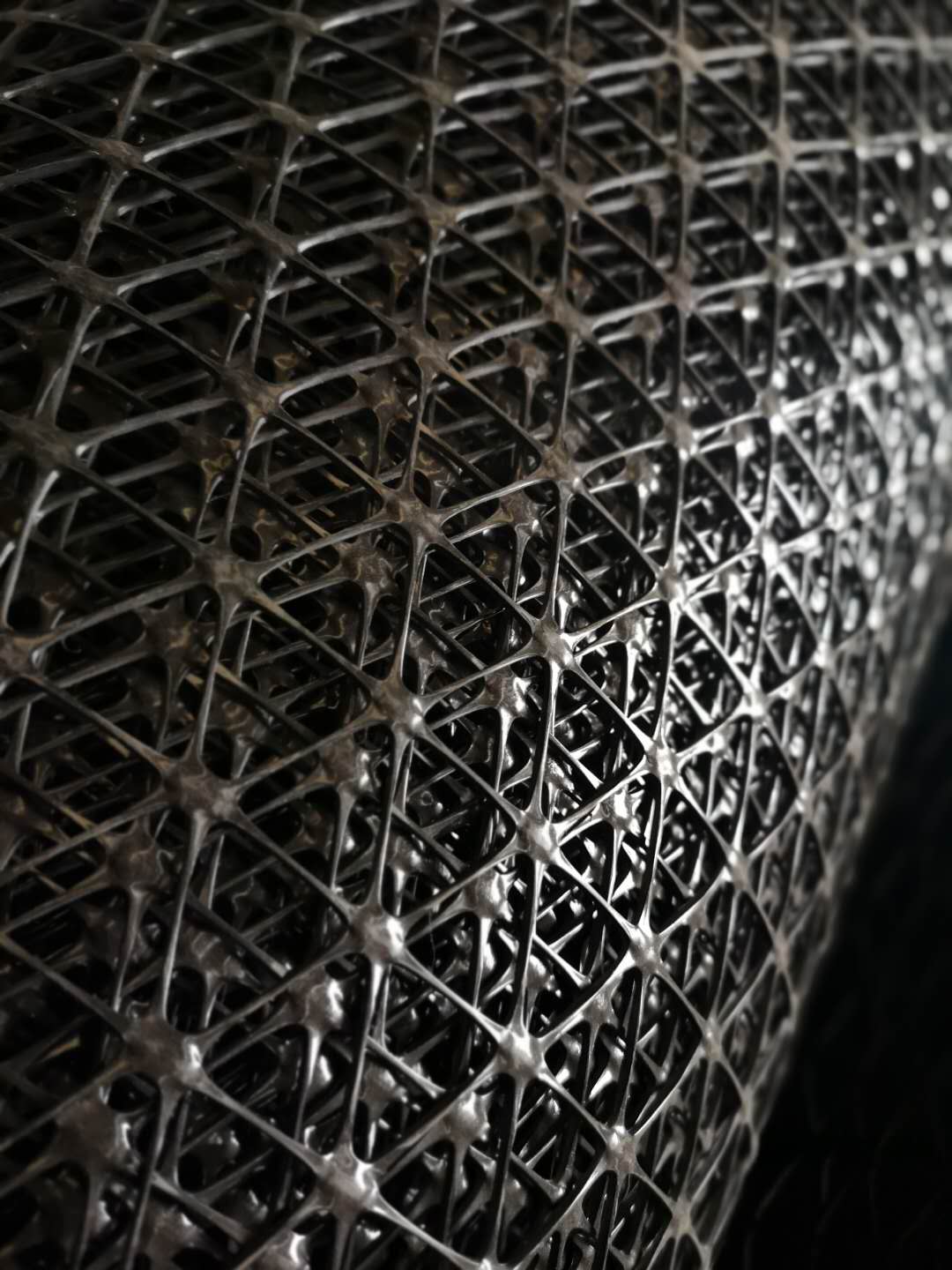


In the realm of civil engineering and construction, geotextiles are indispensable materials used to enhance the performance and longevity of various infrastructure projects. Among the diverse types of geotextiles, polyester woven geotextiles are particularly noted for their robustness and versatility. This article aims to provide a comprehensive guide on selecting woven polyester geotextiles for construction, focusing on their characteristics, benefits, application considerations, and selection criteria.
Understanding Polyester Woven Geotextiles
Polyester woven geotextiles are geosynthetic materials composed of polyester fibers arranged in a woven pattern. These geotextiles are engineered to offer high tensile strength, durability, and resistance to environmental factors, making them suitable for a wide range of construction applications.
The primary attributes of woven polyester geotextiles include:
- Tensile Strength: The woven structure of polyester geotextiles provides high tensile strength, which is crucial for applications requiring reinforcement and stabilization.
- Durability: Polyester fibers are known for their resistance to abrasion, UV degradation, and chemical exposure, ensuring long-term performance in harsh environments.
- Water Permeability: Woven polyester geotextiles offer excellent water permeability, allowing them to efficiently manage water flow and drainage in construction projects.
Benefits of Polyester Woven Geotextiles
- Enhanced Soil Stability:
- Polyester-woven geotextiles contribute significantly to soil stabilization. By distributing loads and reducing soil movement, they improve the overall stability of embankments, retaining walls, and pavements. This helps in preventing deformation and enhancing the structural integrity of the construction.
- Effective Drainage:
- The high permeability of woven polyester geotextiles facilitates effective drainage by allowing water to flow through while filtering out soil particles. This function is critical in preventing water accumulation, reducing hydrostatic pressure, and avoiding soil erosion in various construction scenarios.
- Erosion Control:
- Polyester-woven geotextiles play a vital role in controlling erosion by stabilizing soil surfaces and preventing runoff. This is particularly beneficial in slopes, channels, and other areas prone to erosion.
- Load Distribution:
- The woven structure of polyester geotextiles helps distribute loads evenly across the soil, reduces stress concentrations, and minimizes the risk of soil failure. This load distribution is essential for the stability of roadways, foundations, and other load-bearing structures.
- Cost-Effectiveness:
- While polyester woven geotextiles may have a higher initial cost than other geotextile types, their durability and long-term performance can lead to overall cost savings by reducing maintenance and extending the lifespan of construction projects.
Application Considerations
When selecting polyester woven geotextiles for construction, it is important to consider the specific requirements of the project. Here are some key factors to consider:
- Soil Type and Conditions:
- The type of soil and its conditions play a significant role in determining the appropriate geotextile. Polyester-woven geotextiles are well-suited for cohesive and non-cohesive soils, but it is essential to evaluate soil characteristics such as grain size and permeability to ensure compatibility.
- Load Requirements:
- Assess the load-bearing requirements of the project. Polyester woven geotextiles are available in various tensile strengths, so selecting the appropriate grade is crucial to meet the structural demands of the project.
- Environmental Factors:
- Consider environmental factors such as exposure to UV radiation, chemicals, and extreme temperatures. Polyester-woven geotextiles are resistant to these factors, but it is important to ensure that the specific product selected meets the environmental conditions of the site.
- Installation Practices:
- Proper installation is critical to achieving the desired performance of woven polyester geotextiles. Ensure that the installation procedures, such as overlapping, anchoring, and proper placement, are followed according to the manufacturer’s guidelines and industry best practices.
- Regulatory Compliance:
- Ensure that the selected polyester woven geotextile meets relevant standards and regulations. Compliance with industry standards such as ASTM (American Society for Testing and Materials) or ISO (International Organization for Standardization) is essential for ensuring the quality and performance of the geotextile.
Selecting the Right Polyester Woven Geotextile
Choosing the right polyester woven geotextile involves evaluating several key factors to ensure that it meets the specific needs of the construction project. Here is a step-by-step guide to help in making the right selection:
- Determine Project Requirements:
- Identify the primary functions that the geotextile will serve in the project, such as soil stabilization, drainage, or erosion control. Understanding these requirements will guide you in selecting a geotextile with the appropriate properties.
- Evaluate Material Specifications:
- Review the technical specifications of different polyester woven geotextiles, including tensile strength, elongation, permeability, and resistance to environmental factors. Compare these specifications with the project requirements to ensure compatibility.
- Consult with Suppliers and Experts:
- Engage with geotextile suppliers and industry experts to gain insights into the best polyester-woven geotextiles for your specific application. Suppliers can provide valuable information about product performance, certifications, and installation practices.
- Consider Long-Term Performance:
- Evaluate the long-term performance of the geotextile in terms of durability and maintenance. Select a product that offers long-lasting performance and minimal maintenance requirements to optimize the overall cost-effectiveness of the project.
- Review Case Studies and References:
- Review case studies and references of similar projects that have used polyester woven geotextiles. This can provide practical insights into the performance and suitability of the geotextile in real-world applications.
Conclusion
Selecting polyester woven geotextiles for construction requires a careful evaluation of the project’s specific needs, environmental conditions, and material properties. Polyester-woven geotextiles offer numerous benefits, including enhanced soil stability, effective drainage, erosion control, and load distribution. By understanding the key factors and considerations in selecting the right geotextile, engineers and construction professionals can ensure optimal performance and long-term success in their projects.
The proper application of woven polyester geotextiles can significantly improve the durability and functionality of construction projects, ultimately leading to more efficient and sustainable infrastructure development.
