


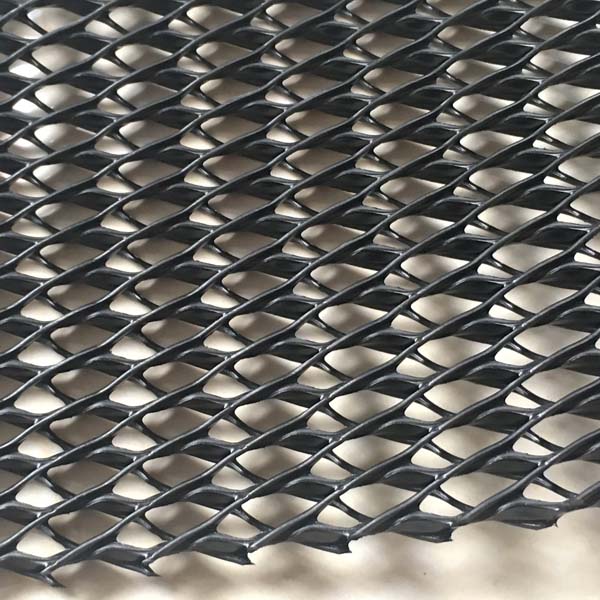
In the evolving world of civil engineering and construction, the demand for innovative materials that enhance the stability, efficiency, and longevity of structures has never been higher. One such material that has emerged as a game-changer is the PP (polypropylene) uniaxial geogrid. This sophisticated engineering product offers a range of benefits that significantly improve construction practices and outcomes. Let’s explore the key advantages of using PP uniaxial geogrids in construction.
Enhanced Load Distribution
PP uniaxial geogrids are renowned for their ability to distribute loads evenly across the ground. Their design, characterized by strong and rigid ribs oriented in one direction, allows them to effectively transfer loads from the overlying structure to a larger area of the soil or aggregate beneath. This load distribution is crucial in preventing localized stress and potential failure, thereby enhancing the overall stability of the construction.
Improved Soil Reinforcement
One of the most notable benefits of PP uniaxial geogrids is their role in soil reinforcement. When integrated into the soil matrix, these geogrids increase the soil’s load-bearing capacity and improve its shear strength. By reinforcing the soil, polypropylene uniaxial geogrids help in stabilizing embankments, retaining walls, and slopes, making them particularly valuable in applications where traditional methods might be inadequate or impractical.
Cost Efficiency
Incorporating polypropylene uniaxial geogrids can lead to significant cost savings in construction projects. Their ability to enhance soil stability and reduce the need for excessive excavation or additional fill materials can lower overall project costs. Additionally, their strength and durability often mean reduced maintenance and repair expenses over time. By providing a cost-effective solution without compromising on performance, PP uniaxial geogrids represent a financially savvy choice for many construction projects.
Durability and Longevity
PP uniaxial geogrids are designed to withstand harsh environmental conditions and resist degradation over time. Made from high-quality polypropylene, they are resistant to chemical attacks, UV radiation, and biological factors, ensuring their longevity and effectiveness. This durability makes them ideal for use in challenging environments and ensures that they maintain their performance throughout the life of the structure.
Flexibility in Application
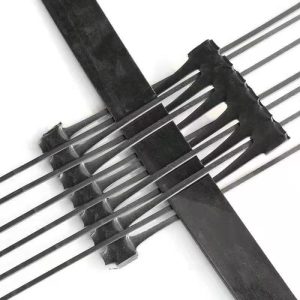
The versatility of PP uniaxial geogrids extends their applicability across a wide range of construction scenarios. Whether used in road construction, railway embankments, slope stabilization, or retaining walls, these geogrids adapt to various soil types and construction needs. Their flexibility makes them a preferred choice for engineers looking for reliable solutions that can be tailored to specific project requirements.
Environmental Benefits
In addition to their technical advantages, polypropylene uniaxial geogrids offer environmental benefits. By improving soil stability and reducing the need for excessive material use, they contribute to more sustainable construction practices. Their ability to extend the life of infrastructure and reduce the frequency of repairs also aligns with efforts to minimize the environmental impact of construction activities.
Enhanced Construction Efficiency
The use of polypropylene uniaxial geogrids can streamline construction processes and enhance efficiency. Their ease of installation, combined with their ability to quickly reinforce soil and stabilize structures, reduces the time required for project completion. This efficiency not only accelerates project timelines but also minimizes disruptions and enhances overall productivity.
