

Introduction: Understanding Asphalt Geogrids
Today, modern road construction employs asphalt geogrid as a mandatory component of a pavement’s strength, which prevents the pavement from becoming reflective and increases the life of the road. Asphalt geogrids are supplementary materials that are embedded between asphalt layers or between asphalt and base layers. Their function is beyond the mechanical purpose of keeping things stable — they provide additional structural support, reduce the frequency of maintenance, and increase the long-term durability of things.
Unlike the traditional asphalt coating that only relies on the thickness to have strength, an asphalt geogrid reacts to tension and prevents small cracks from forming in the pavement. This innovation has radically changed the way engineers construct and mend roads, highways, airports, and other surfaces that have a heavy load.
What Is an Asphalt Geogrid?
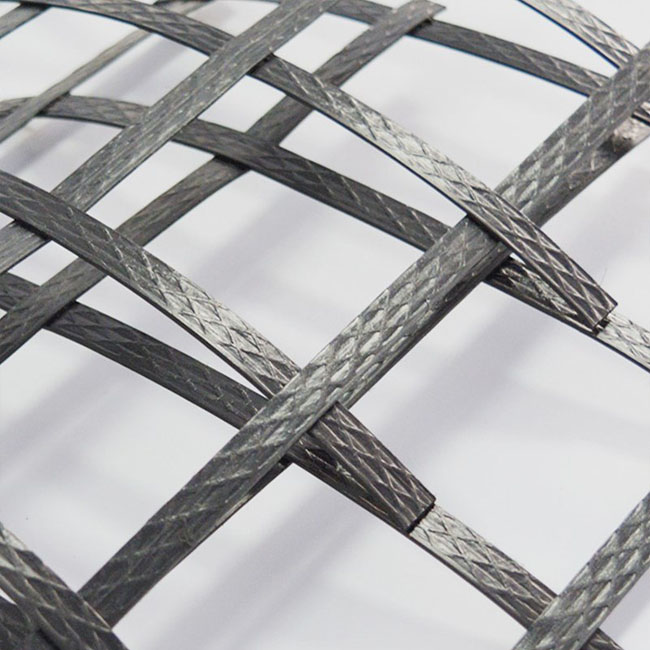
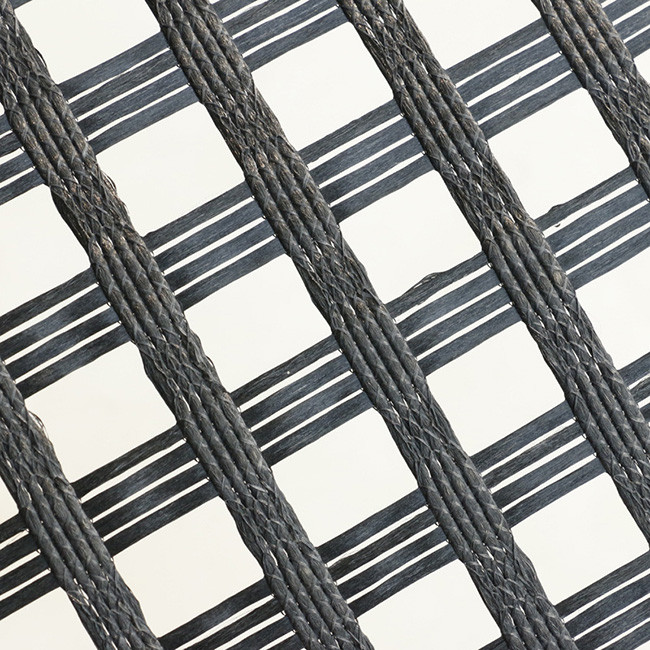
An asphalt geogrid is a synthetic material that is specifically intended to be used on asphalt roads. It’s composed of a grid-like structure that is made from high-tensile fibers, which are commonly composed of fiberglass, polyester, or polypropylene. These fibers are coated with a bituminous material or polymeric material that will ensure compatibility with the hot asphalt.
Essentially, it functions as a “reinforcement” mesh in the asphalt layer, which increases the tensile strength of the pavement and decreases the probability of reflective cracks in the base. The open-grid design allows asphalt to interlock and bond with the surrounding asphalt, which creates a composite layer that is resistant to deformation and fatigue.

What is the purpose of an asphalt geogrid?
The primary function of an asphalt geogrid is to augment the asphalt coating and lessen the incidence of reflective cracking. When a new asphalt coating is placed over a previously damaged pavement, the asphalt will typically reflect upward due to the concentration of stress and the cycling of temperature. A geogrid that is properly selected will absorb and redistribute the stress, which will prevent or delay the reappearance of cracks.
Other objectives include:
Increasing the distribution of payload between layers.
Reducing the effects of fatigue and rutting.
Increasing the bond between the asphalt layers.
Reducing the required thickness of asphalt will lead to savings.
Increasing the life of the pavement and lowering the cost of maintenance.
As a result, asphalt geogrids not only augment the structural strength of pavements but also increase the economic sustainability of large-scale projects in infrastructure.
Asphalt Geogrid Materials and Specification Essentials
Selecting the appropriate geogrid is predicated on understanding its composition, mechanical properties, and compatibility with specific types of pavement.
-
Fiber Substrate
The most common base material is fiberglass, which is valued for its high tensile modulus, low creep, and stability at high temperatures. Other substances include:
- Polyester (PET): It’s flexible and can withstand ultraviolet degradation.
- Polypropylene (PP): It has a chemical composition and a low density.
- Aramid fibers: They’re ideal for applications that require extreme tensile strength.
-
Coating Method
The coating facilitates the proper association of the geogrid and asphalt layer. Common coating types include:
- Customized bitumen coating: Adept at the hot-mix asphalt association.
- Elastomeric polymer coating: Increase the adhesion and resist oxidation.
- Composite coating: It’s both flexible and durable.
-
Common mechanical and standard grid apertures
The size of the Geogrid’s apertures determines how asphalt is consumed and how it interlocks. Standard openings typically have a range of 25×25 mm to 50×50 mm, depending on the aggregate’s size. Key performance indicators include: Tensile strength (Mpa) the ultimate tensile strength (kN/m) Elongation at the break (%)
-
Unit weight and thickness
The weight of the unit area (g/m^2) and the thickness of the grid affect the installation and bondability. Heavier grids have a greater capacity, but may need to raise the asphalt temperature during installation.
-
Temperature range and construction compatibility
Depending on the coating and type of fiber, asphalt geogrids are susceptible to: Hot-mix asphalt coating (HMA), Cool or warm combinations, Systems of sprayedischip surface rehabilitation.
Table 1: Comparison of Common Asphalt Geogrid Types
| Type | Base Material | Coating | Tensile Strength (kN/m) | Temperature Resistance (°C) | Typical Application |
| Fiberglass Geogrid | E-glass fiber | Bitumen | 50–120 | Up to 260 | Highways, airports, bridge decks |
| Polyester Geogrid | PET fiber | Polymer | 40–100 | Up to 200 | Local roads, overlays |
| Polypropylene Geogrid | PP fiber | Elastomeric | 30–80 | Up to 150 | Parking lots, low-stress roads |
| Aramid Geogrid | Aramid fiber | Hybrid polymer | 100–200 | Up to 300 | Heavy-duty pavements |
Manufacturing Process of Asphalt Geogrids
A successful asphalt-based geogrid is manufactured via a series of carefully planned processes that guarantee its durability and consistent performance.
- Yarn Preparation: Base fibers like fiberglass or PET are twisted and arranged.
- Knitting or Weaving: The grid is composed of interlacing or weaving the fibers into a grid-like structure.
- Coating Method: Alternative bitumen or polymeric coatings are employed to strengthen and shield.
- Drying and Curing: The coating is heated to cure for its stability of adhesion.
- Trimming and rolling: The material is reduced to standard lengths and rolled for transportation.
- Inspection of quality: Each batch is evaluated for its tensile strength, consistency of coating, and the accuracy of grid design.
Asphalt Geogrid Testing and Acceptance Criteria
Assessing quality is crucial to ensuring long-term pavement performance. The primary parameters involved in Key Testing are:
-
Mechanical Performance
Tensile strength (EN ISO 10319)
Shear Force Modulus
Elongation at the Break
-
Bonding Performance
Adhesion to asphalt (ASTM D7005)
Interlayer shear strength comparisons
-
Temperature behavior
High-temperature resistance (no change in shape at 200 degrees Celsius)
Low-temperature toughness
-
Aging Resistance
ultraviolet exposure test (ASTM D4355)
The stability of the oxide and the thermal aging process
-
Field Performance
Pull-out tests and reflective crack retardation tests to assess the bond between the substrate and the insulation after installation.
Common Manufacturing Challenges
During creation, engineers have several problems with quality control that they must address.
Maintaining long-term attachment between the coating and the fiber in heat and moisture.
balancing the stiffness and brittleness to avoid cracking in cold weather.
Avoid the wrinkling or slipping of the installation.
Increasing the compatibility of recycled asphalt with new asphalt mixtures.
Every issue necessitates precise optimization of the process and testing in the real world that guarantees the field’s effectiveness.
When Should Asphalt Geogrids Be Used?
Asphalt-based geogrids are beneficial in situations where puncture and wear are issues:
- Repairing or replacing aged or damaged pavements.
- Overlays of cement-based roads.
- High-traffic roads, airport runways, and industrial pavements.
- Composite structures that combine malleable and solid layers.
- They’re especially significant when money is limited but life is of the essence.
Advantages of Asphalt Geogrids
The advantages of asphalt-based geogrids are primarily:
- Reduced optical cracking due to stress shielding.
- Increased fatigue resistance to repeated traffic stress.
- Increased asphalt layer bond strength.
- Lower costs associated with the lower life cycle and reduced frequency of repair.
- Less frequent maintenance hours would result in a more even traffic flow.
- Increased environmental performance via reduced consumption of materials.
Major Applications of Asphalt Geogrids
Asphalt-based geogrids are popular for multiple reasons:
- Repairing the highway and expressway
- Urban road underserved areas
- Runways and taxiways at the airport.
- Yard pavements for industry
- Decking the bridge
- Track crossings
These apps demonstrate their versatility in diverse sectors that require a stable, long-lasting asphalt coating.
Case Studies: Successful Implementation of asphalt geogrid in Road Projects
Asphalt reinforcement geogrid is a material that has been commonly employed in the construction of roads to augment the efficiency and longevity of asphalt pavements. This article will explore some successful examples of asphalt-based geogrid that have been implemented, and it will discuss the benefits and positive results that were achieved.
First case:
One notable study is the restoration of a heavily used highway in a large city. The existing asphalt surface had greatly deteriorated as a result of the constant heavy weights and harsh weather. The endeavor involved the removal of the old flooring and the installation of a new asphalt coating that was reinforced with geogrid.
The utilization of asphalt as a reinforcing material for this project was highly successful at enhancing the road’s capabilities. The geogrid functioned as a supplemental layer, which spread the weight across the surface more evenly and decreased the likelihood of cracks or potholes. This led to a smoother and less dangerous driving experience for drivers.
Second case:
Another successful study involved the creation of a new road in a rural area with difficult soil conditions. The soil in this area was previously documented as being highly expansive, which meant that it would have a significant effect on the volume and weight of the soil when it was in a different state of moisture. This posed a significant problem for road building, as soil movement could lead to pavement failure.
To circumvent this issue, an asphalt-based geogrid was incorporated into the road design. The geogrid had a stabilizing effect, which prevented the soil from expanding or contracting excessively. This preserved the integrity of the pavement and minimized the likelihood of cracking or deformation. The road has been in operation for several years with no significant issues. This demonstrates the effectiveness of geogrid in addressing soil-related issues.
Third case:
In yet another case study, asphalt was employed as a reinforcing material for geogrid in the construction of a parking lot for a commercial building. The parking lot was predicted to have a heavy traffic pattern and frequent حركة-turns, which would lead to an accelerated rate of pavement degradation. To ensure the Parking Lot’s longevity, geogrid was incorporated into the asphalt pavement.
The geogrid augmented the asphalt’s strength, which improved its resistance to fatigue and rutting. This was of special significance in areas that would have sharp turns in their vehicles, this was because these areas were most susceptible to accelerated wear on the pavement. The utilization of geogrid in this endeavor resulted in a long-lasting and durable parking lot that had resisted the effects of traffic and weather.
Ultimately, the utilization of asphalt as a reinforcing material in road projects has been demonstrated to be highly effective in enhancing the performance and durability of roads. The case studies discussed in this article demonstrate the positive results of the use of geogrid, including increased load distribution, reduced cracking, and increased resistance to rutting and fatigue cracking.
The advantages of asphalt-based geogrid extend past the initial building phase. The long-term viability and performance of the roads has a direct relationship to cost-savings, this is because the roads need less frequent maintenance and repair. Also, the enhanced road performance leads to increased safety for drivers, because of the more stable and smooth pavements, the risk of accidents is reduced.
Asphalt-based geogrid has become essential to road building, this solution provides a powerful solution to the problem of improving road performance and extending the life of the pavement. The successful implementation of this approach in multiple case studies demonstrates its effectiveness in addressing the common problems associated with road construction and ensuring the long life of asphalt pavements.
Conclusion
The asphalt geogrid is considered one of the most effective components of pavement engineering today. Its function is much more extensive than simply increasing tensile strength; it is a structural innovation that has a significant impact on road life, reduces costs, and minimizes environmental impacts.
From the selection of proper materials and the design of the coating to the testing of the quality of asphalt, every aspect of the production and application of the geogrid is involved in its success in modern infrastructure.
For those involved in engineering, contracting, and purchasing in the B2B construction industry, understanding the purpose, performance, and specifications of asphalt geogrids is crucial to obtaining long-lasting and cost-effective pavement solutions.
