


In modern infrastructure development, the demand for durable, cost-effective, and sustainable construction materials has never been higher. As populations grow and urbanization increases, so does the need for robust infrastructure that can withstand heavy loads and adverse environmental conditions. Among the innovative materials used in contemporary construction is the Steel Plastic Composite Geogrid. This advanced geosynthetic material offers a multitude of benefits, making it an essential component in various civil engineering projects, particularly in road construction and soil stabilization. This article explores the key benefits of Steel Plastic Composite Geogrid and its applications in enhancing infrastructure resilience.
What is Steel-Plastic Composite Geogrid?
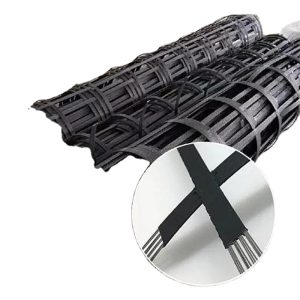
Steel Plastic Composite Geogrid is a geosynthetic material that combines steel’s strength with plastic’s flexibility and durability. It consists of high-strength steel wires or strips encased in a polymer coating, typically polyethylene or polypropylene. The steel provides exceptional tensile strength, while the plastic coating protects the steel from corrosion and environmental degradation. The grid-like structure of the material is designed to reinforce soil, distribute loads, and enhance the overall stability of construction projects.
Key Benefits of Steel Plastic Composite Geogrid
The use of Steel-Plastic Composite Geogrid in construction projects offers several significant benefits, making it a preferred choice for engineers and contractors worldwide:
- Exceptional Tensile Strength: One of the most important benefits of Steel-Plastic Composite Geogrid is its high tensile strength. The steel wires embedded within the plastic coating provide unparalleled strength, allowing the geogrid to withstand substantial loads. This makes it ideal for reinforcing embankments, retaining walls, and roadways, where high tensile strength is crucial for maintaining structural integrity.
- Enhanced Load Distribution: Steel Plastic Composite Geogrid excels at distributing loads evenly across a broader area, reducing the stress on underlying soils and subgrades. This load distribution capability helps to prevent deformation, such as rutting in roadways and mitigates the risk of soil failure in embankments and retaining structures. By spreading the load, the geogrid improves the stability and durability of the infrastructure.
- Improved Soil Stabilization: The grid structure of Steel-Plastic Composite Geogrid interlocks with the surrounding soil, providing additional stabilization. This is particularly beneficial in soft or loose soils, where the risk of settlement and shifting is high. By reinforcing the soil, the geogrid enhances the load-bearing capacity of the ground, making it suitable for constructing foundations, embankments, and other critical structures.
- Corrosion Resistance: The plastic coating on the steel wires not only protects the steel from environmental factors but also enhances the geogrid’s resistance to corrosion. This is especially important in environments exposed to moisture, chemicals, or saline conditions, such as coastal areas or sites with high groundwater levels. The corrosion resistance of Steel Plastic Composite Geogrid ensures a longer service life and reduces maintenance costs.
- Flexibility and Adaptability: Unlike traditional materials such as concrete or metal, Steel-Plastic Composite Geogrid offers flexibility and adaptability in construction. It can be easily cut and shaped to fit specific project requirements, making it suitable for a wide range of applications. The flexibility of the geogrid also allows it to accommodate ground movements without compromising its reinforcing capabilities, which is essential in areas prone to seismic activity or soil settlement.
- Cost-Effective Solution: While the initial cost of Steel-Plastic Composite Geogrid may be higher than some other materials, its long-term benefits make it a cost-effective solution. The durability and low maintenance requirements of the geogrid reduce the overall lifecycle costs of infrastructure projects. Additionally, the improved load distribution and soil stabilization properties contribute to a longer service life, minimizing the need for frequent repairs and replacements.
- Environmental Sustainability: Steel Plastic Composite Geogrid contributes to environmental sustainability in several ways. Its use in soil stabilization reduces the need for extensive earthworks, preserving natural landscapes and minimizing the environmental impact of construction activities. The geogrid’s durability and corrosion resistance also reduces the consumption of raw materials and energy required for maintenance and repairs, leading to a lower carbon footprint.
Applications of Steel Plastic Composite Geogrid
The versatility of Steel-Plastic Composite Geogrid makes it suitable for a wide range of applications in civil engineering and construction:
- Road Construction: In road construction, Steel-Plastic Composite Geogrid is used to reinforce the subgrade and base layers, improving the load-bearing capacity of the pavement. This helps to prevent common issues such as rutting, cracking, and settlement, extending the lifespan of the roadway.
- Embankment Reinforcement: For embankments and slopes, Steel Plastic Composite Geogrid provides essential reinforcement to prevent soil erosion, landslides, and settlement. The geogrid’s ability to stabilize soft soils and distribute loads makes it ideal for constructing stable embankments in challenging terrains.
- Retaining Walls: Retaining walls are critical structures that hold back soil and prevent erosion in sloped areas. Steel-plastic composite Geogrid reinforces retaining walls, providing additional strength and stability to prevent wall failure and soil movement.
- Railway Construction: In railway construction, Steel Plastic Composite Geogrid is used to reinforce the trackbed, improving its load-bearing capacity and preventing settlement. This ensures the stability of the railway tracks, enhancing safety and reducing maintenance costs.
- Landfill Containment: Steel-plastic composite Geogrid is also used in landfill containment systems to reinforce the liner and cover systems. The geogrid helps to prevent the migration of waste materials and ensures the long-term stability of the landfill.
Installation and Considerations
The installation of Steel Plastic Composite Geogrid is straightforward and can be integrated into standard construction practices. The geogrid is typically laid directly on the prepared surface, with the steel wires aligned toward the anticipated load. The grid should be properly tensioned and secured to ensure optimal performance. It is important to follow manufacturer guidelines and industry best practices during installation to achieve the desired results.
However, there are some considerations to keep in mind:
- Compatibility with Soil Types: The effectiveness of Steel-Plastic Composite Geogrid can vary depending on the type of soil it is used with. It is essential to assess the soil conditions and select the appropriate type of geogrid to ensure compatibility and maximize performance.
- Proper Installation Techniques: As with any construction material, proper installation is key to achieving the full benefits of Steel-Plastic Composite Geogrid. Incorrect installation can lead to reduced performance and may compromise the stability of the structure.
- Project-Specific Design: The design and selection of Steel Plastic Composite Geogrid should be tailored to the specific requirements of each project. Factors such as load requirements, soil conditions, and environmental factors should be considered to ensure the best results.
The Future of Steel-Plastic Composite Geogrid in Infrastructure
As the construction industry continues to evolve, the demand for innovative and sustainable materials like Steel-Plastic Composite Geogrid is expected to grow. Advances in material science and engineering are likely to further enhance the performance and versatility of geogrids, making them even more effective in addressing the challenges of modern infrastructure development. The combination of strength, flexibility, and environmental sustainability positions Steel-Plastic Composite Geogrid as a key material in the future of civil engineering.
Conclusion
Steel Plastic Composite Geogrid offers a wide range of benefits that make it an invaluable tool in modern construction. From its exceptional tensile strength and load distribution capabilities to its corrosion resistance and environmental sustainability, this geosynthetic material plays a crucial role in enhancing the stability and durability of infrastructure projects. As engineers and contractors seek cost-effective and sustainable solutions, Steel Plastic Composite Geogrid will continue to be a preferred choice for reinforcing roads, embankments, retaining walls, and other critical structures.
