


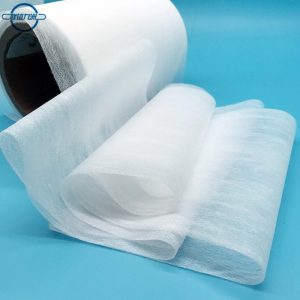
PP spunbond nonwoven fabric has become one of the most versatile and essential materials across various industries. This fabric is manufactured through a spunbond process in which polymer is melted, extruded, and spun into continuous filaments that form a web. The fabric’s unique structure results in a strong, lightweight, and breathable material, offering a multitude of benefits for applications in industries like healthcare, agriculture, automotive, and packaging.
1. Durability and Strength
One of the most notable advantages of PP spunbond nonwoven fabric is its high durability and tensile strength. The fabric’s continuous filament structure creates a strong, resilient material that can withstand significant wear and tear, even under demanding conditions. Compared to other nonwoven fabrics, PP spunbond provides excellent resistance to tearing, puncturing, and abrasion, making it suitable for applications where longevity and reliability are required. This feature is especially valuable in products like reusable bags, protective clothing, and agricultural covers, where durability directly influences performance.
2. Lightweight Nature
PP spunbond nonwoven fabric is extremely lightweight, which adds to its appeal for various applications. Despite its strength, the fabric’s low density makes it an ideal material for uses that prioritize both functionality and comfort. For example, in the medical field, lightweight PP spunbond fabrics are used in disposable gowns, masks, and surgical drapes because they provide reliable protection without adding excessive weight. This lightweight property also allows for easier transportation and reduced shipping costs, making PP spunbond fabric an economical choice for mass production and supply chain efficiency.
3. Breathability
Another significant benefit of PP spunbond nonwoven fabric is its breathability. The structure allows air and moisture to pass through, ensuring comfort for users while preventing the buildup of heat and humidity. Breathability is crucial in industries like healthcare, where nonwoven fabrics are used to produce personal protective equipment (PPE) such as face masks, gowns, and caps. In these applications, breathability enhances user comfort, which is essential for healthcare workers who must wear protective gear for extended periods. Additionally, this property makes PP spunbond fabrics suitable for hygiene products like diapers, wipes, and sanitary napkins, as it allows for better moisture control and skin-friendliness.
4. Cost-Effectiveness
Cost efficiency is a core advantage that makes PP spunbond nonwoven fabric attractive to manufacturers and end-users. The manufacturing process is relatively simple, quick, and low-cost compared to woven or knitted fabrics, as it does not require weaving or knitting machinery. Additionally, spunbond nonwoven fabric can be produced in large quantities with minimal resource consumption, which helps reduce the overall cost per unit. This cost-effectiveness has made it a staple in industries that demand large quantities of materials, such as packaging, agriculture, and disposable healthcare products. The low production cost also makes it affordable for consumers, making products made from this fabric more accessible.
5. Chemical and Water Resistance
PP spunbond nonwoven fabric offers excellent resistance to a wide range of chemicals, oils, and water, adding to its versatility. Polypropylene, as a material, does not easily absorb moisture and is unaffected by many types of chemicals, including mild acids and bases. This makes it an ideal choice for applications where chemical resistance is crucial, such as in agricultural covers, automotive liners, and protective clothing. Additionally, the fabric’s water resistance makes it suitable for outdoor applications, like weed control and crop protection covers, as it effectively shields crops from excess moisture while allowing air to circulate.
6. Eco-Friendliness and Recyclability
As sustainability becomes a priority across industries, PP spunbond nonwoven fabric provides an eco-friendly option due to its recyclability and low environmental impact. Polypropylene is a thermoplastic polymer, which means it can be melted down and reprocessed multiple times. This allows manufacturers to recycle PP spunbond fabric, reducing waste and promoting circular economy practices. Furthermore, PP spunbond fabric has a relatively low carbon footprint compared to other synthetic materials, as it requires less energy and water to produce. Many companies are adopting recycled spunbond nonwoven fabric in their production processes, contributing to environmental sustainability and helping to meet green manufacturing standards.
7. Customization and Versatility
One of the reasons PP spunbond nonwoven fabric is so widely used is its adaptability to various specifications and applications. The material can be produced in different weights, colors, textures, and finishes to meet specific industry requirements. For instance, it can be made into a soft fabric for hygiene products or a rigid, durable material for packaging purposes. Additionally, PP spunbond fabric can be laminated or treated to enhance its properties, such as adding UV resistance for agricultural use or flame retardancy for automotive applications. This customization potential ensures that spunbond nonwoven fabric can serve a diverse range of purposes, enhancing its value in multiple sectors.
8. Safe and Non-Toxic Material
PP spunbond nonwoven fabric is non-toxic and hypoallergenic, making it suitable for sensitive applications where safety is a priority. Polypropylene does not contain harmful chemicals, making it ideal for products that come into direct contact with the skin, such as diapers, masks, and sanitary products. Additionally, the fabric is non-irritating and does not release allergens, ensuring it is safe for users with allergies or sensitive skin. In the medical field, this characteristic is especially valuable, as it reduces the risk of adverse reactions when using disposable PPE, wound dressings, and other healthcare products.
9. Applications Across Various Industries
The extensive applicability of PP spunbond nonwoven fabric is a testament to its multifunctional properties. Some of the key industries and applications include:
- Healthcare: Used in surgical masks, gowns, caps, shoe covers, and disposable bed sheets due to its breathability, lightweight nature, and barrier properties.
- Agriculture: Used as crop covers, weed control fabrics, and greenhouse shading due to its durability, water resistance, and UV stability.
- Packaging: Used for shopping bags, reusable packaging, and protective wraps, as it is cost-effective, lightweight, and customizable.
- Hygiene Products: Used in diapers, sanitary napkins, and wipes, where softness, breathability, and moisture resistance are required.
- Automotive: Used in vehicle liners, upholstery, and insulation, leveraging its durability, chemical resistance, and flame retardancy.
Each application demonstrates how PP spunbond nonwoven fabric’s unique combination of properties meets specific industry demands.
10. Increased Hygiene and Sterility
PP spunbond nonwoven fabric is easy to sterilize and is often used in applications where hygiene is a priority. For example, in healthcare and hygiene products, the fabric’s structure supports sterility, as it can be manufactured in cleanroom environments and treated with antimicrobial agents. This property is crucial for medical applications, where preventing contamination is essential. Additionally, PP spunbond fabric’s resistance to microorganisms makes it a suitable choice for items like surgical masks, wound dressings, and disposable PPE.
Conclusion
PP spunbond nonwoven fabric offers a combination of durability, lightweight construction, breathability, cost-effectiveness, and chemical resistance, making it a highly advantageous material across various industries. Its recyclability and eco-friendly qualities make it particularly attractive in today’s market, where sustainability is increasingly valued. The material’s versatility, safety, and customizability make it suitable for numerous applications, including healthcare, agriculture, packaging, and automotive. With its range of benefits and adaptability, spunbond nonwoven fabric is set to remain a staple in both current and emerging applications.
