


In the modern world, infrastructure development is critical to economic growth, and one of the most essential components of this development is the construction and maintenance of durable roadways. Roads serve as the lifelines of economies, facilitating the movement of goods and people. However, the increasing load from heavy traffic, coupled with environmental factors, poses significant challenges to maintaining road quality. One of the innovative solutions that has emerged to address these challenges is the use of fiberglass asphalt geogrid. This technology has revolutionized the way roads are constructed and maintained, offering a robust solution to pavement reinforcement and extending the lifespan of asphalt surfaces.
Understanding Fiberglass Asphalt Geogrid
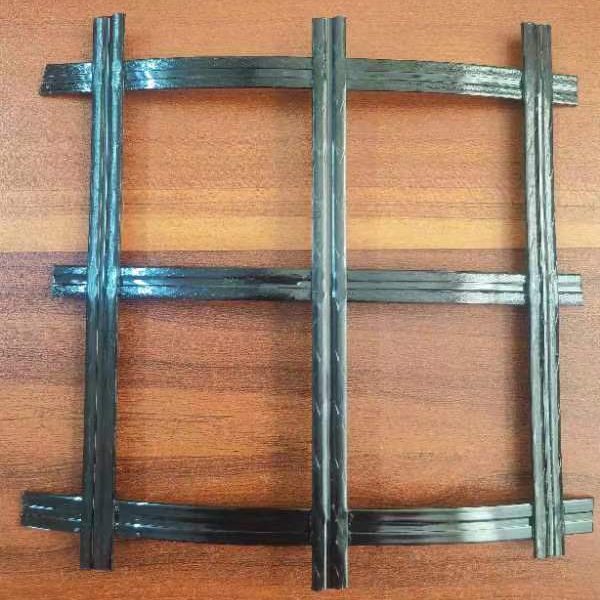
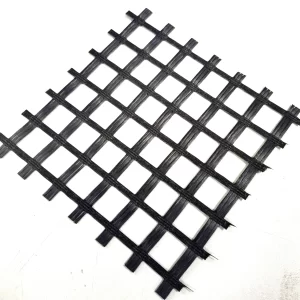
Fiberglass asphalt geogrid is a geosynthetic material specifically designed to reinforce asphalt layers in road construction. It is made from high-strength fiberglass strands, which are coated with an adhesive material to ensure strong bonding with the asphalt. The primary function of fiberglass geogrid is to distribute the load over a larger area, thereby reducing the stress on the underlying layers of the pavement. This distribution of stress helps to prevent common forms of pavement distress, such as cracking, rutting, and potholing, which are often caused by heavy traffic loads and environmental factors like temperature fluctuations and moisture infiltration.
The Advantages of Using Fiberglass Asphalt Geogrid
The application of fiberglass asphalt geogrid in road construction brings several advantages that contribute to the durability and longevity of pavements:
- Enhanced Crack Resistance: One of the most significant benefits of fiberglass asphalt geogrid is its ability to resist cracking. Cracks in asphalt pavements typically begin at the surface and propagate downward, leading to further deterioration if not addressed. Fiberglass geogrid acts as a barrier that prevents the initiation and propagation of cracks, thus preserving the integrity of the pavement.
- Improved Load Distribution: By reinforcing the asphalt layers, fiberglass geogrid helps to evenly distribute the load from vehicles across a broader area. This reduces the stress on the underlying layers and minimizes the risk of deformation, such as rutting, which is common in high-traffic areas.
- Increased Pavement Lifespan: The reinforcement provided by fiberglass geogrid significantly extends the service life of the pavement. Roads constructed with this technology require fewer repairs and maintenance over time, resulting in cost savings for municipalities and road agencies.
- Cost-Effective Solution: While the initial cost of incorporating fiberglass geogrid into pavement construction may be higher than traditional methods, the long-term benefits far outweigh the investment. The reduction in maintenance costs, coupled with the extended lifespan of the pavement, makes it a cost-effective solution for road construction projects.
- Environmental Benefits: Fiberglass geogrid also contributes to environmental sustainability by reducing the need for frequent repairs and resurfacing. Fewer maintenance activities mean reduced consumption of raw materials and energy, leading to a lower environmental footprint.
Applications of Fiberglass Asphalt Geogrid
Fiberglass asphalt geogrid is versatile and can be used in various road construction scenarios, including:
- New Road Construction: In the construction of new roads, fiberglass geogrid is used to reinforce the asphalt layers, ensuring that the pavement can withstand heavy traffic loads and environmental stresses from the outset.
- Rehabilitation of Existing Roads: For roads that have already developed cracks or other forms of distress, fiberglass geogrid can be used as a reinforcement layer during rehabilitation. This strengthens the existing pavement and prevents further deterioration.
- Airport Runways: The heavy loads imposed by aircraft during landing and takeoff require runways to be extremely durable. Fiberglass geogrid is often used in the construction and maintenance of airport runways to enhance their load-bearing capacity and prevent cracking.
- Bridge Decks: Bridge decks are subject to both heavy traffic loads and environmental factors such as moisture and temperature changes. The use of fiberglass geogrid in bridge deck construction helps to prevent cracking and extends the lifespan of the structure.
- Parking Lots: Large parking lots that accommodate heavy vehicles, such as trucks and buses, benefit from the reinforcement provided by fiberglass geogrid. This ensures that the pavement remains intact even under substantial loads.
Installation of Fiberglass Asphalt Geogrid
The installation process of fiberglass asphalt geogrid is relatively straightforward and can be integrated into standard road construction practices. The geogrid is typically laid directly on the prepared asphalt surface before the final asphalt layer is applied. The adhesive coating on the geogrid ensures that it bonds effectively with the asphalt, creating a composite structure that enhances the pavement’s strength and durability. Care must be taken during installation to ensure that the geogrid is properly aligned and tensioned to maximize its effectiveness.
The Future of Fiberglass Asphalt Geogrid in Road Construction
As the demand for durable and sustainable road infrastructure continues to grow, the use of fiberglass asphalt geogrid is likely to become more widespread. Advances in material science and engineering are expected to further enhance the performance of geogrids, making them an even more effective solution for pavement reinforcement. Additionally, the growing emphasis on environmental sustainability in construction practices will drive the adoption of technologies like fiberglass geogrid that contribute to reduced resource consumption and lower environmental impact.
Conclusion
Fiberglass asphalt geogrid represents a significant advancement in road construction technology, offering a reliable and cost-effective solution for enhancing pavement performance and longevity. By preventing cracking, improving load distribution, and extending the lifespan of asphalt surfaces, fiberglass geogrid plays a crucial role in the development of durable and sustainable road infrastructure. As the challenges of maintaining and rehabilitating roadways continue to evolve, the adoption of innovative solutions like fiberglass geogrid will be essential to meeting the demands of modern transportation networks.
