


LIANYI Polypropylene Nonwoven Geotextile,
Introduction
In the dynamic fields of civil engineering, construction, and environmental management, geotextiles are indispensable for enhancing project durability and efficiency. At Feicheng Lianyi Engineering Plastics Co.,Ltd, we specialize in manufacturing premium Polypropylene Nonwoven Geotextile, engineered from high-tenacity polypropylene staple fibers. Designed to meet rigorous demands, our geotextile solutions offer unmatched strength, versatility, and sustainability, making them ideal for diverse applications.
What is Polypropylene Nonwoven Geotextile?
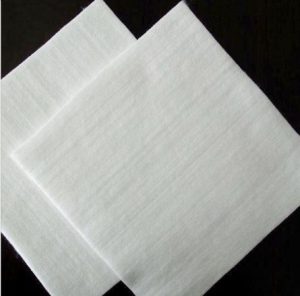
Our geotextile is crafted through a advanced needle-punching process, interlocking polypropylene fibers to create a durable, permeable fabric. Polypropylene, known for its resilience, ensures resistance to chemical degradation, moisture, and UV exposure, while the nonwoven structure optimizes filtration and drainage capabilities.
Main Functions of Polypropylene Nonwoven Geotextiles
Polypropylene nonwoven geotextiles are versatile engineered materials widely used in civil, environmental, and construction projects. Their unique structure and material properties enable them to perform several critical functions, ensuring long-term project durability and efficiency. Below are the primary functions:
1. Separation
Purpose: Prevent intermixing of dissimilar soil layers (e.g., gravel and subsoil).
-
How It Works: Acts as a barrier between materials, maintaining the integrity and functionality of each layer.
-
Applications:
-
Road and railway construction (prevents subgrade contamination).
-
Landscaping (keeps gravel or sand separate from underlying soil).
-
2. Filtration
Purpose: Allow water to flow through while retaining soil particles.
-
How It Works: The permeable nonwoven structure filters fine particles, preventing soil loss while ensuring proper drainage.
-
Applications:
-
Drainage systems (e.g., behind retaining walls, French drains).
-
Coastal and riverbank protection (reduces erosion while permitting water movement).
-
3. Drainage
Purpose: Facilitate the collection and lateral flow of water or gases.
-
How It Works: The 3D fiber matrix creates channels for efficient water/gas transport, reducing hydrostatic pressure.
-
Applications:
-
Landfill leachate management.
-
Sports fields and green roofs (prevents waterlogging).
-
4. Reinforcement
Purpose: Enhance soil strength and stability by distributing loads.
-
How It Works: High tensile strength of polypropylene fibers reinforces weak soils, improving load-bearing capacity.
-
Applications:
-
Slope and embankment stabilization.
-
Reinforcement of soft ground in road construction.
-
5. Protection
Purpose: Shield sensitive structures (e.g., geomembranes) from punctures or abrasion.
-
How It Works: Acts as a cushioning layer, absorbing stresses caused by heavy loads or sharp objects.
-
Applications:
-
Landfill liners (protects geomembranes from rocks or debris).
-
Pond and canal liners.
-
6. Erosion Control
Purpose: Stabilize soil against water or wind erosion.
-
How It Works: The geotextile holds soil in place while allowing vegetation to grow through it (in some cases).
-
Applications:
-
Slope stabilization with erosion control blankets.
-
Shoreline and riverbank protection.
-
Key Features and Benefits
-
Exceptional Strength: High-tenacity fibers provide superior tensile and puncture resistance, essential for soil stabilization and load distribution.
-
Permeability: Facilitates efficient water flow, preventing erosion and waterlogging.
-
Chemical & Environmental Resistance: Withstands harsh chemicals, pH variations, and UV radiation, ensuring longevity.
-
Durability: Maintains structural integrity under stress, ideal for long-term applications.
-
Ease of Installation: Lightweight and flexible, reducing labor and time costs.
Polypropylene Staple Fiber Nonwoven Geotextile: Key Advantages Over Competing Materials
In the world of geotextiles, material choice significantly impacts project performance, longevity, and cost-efficiency. Polypropylene staple fiber nonwoven geotextiles have emerged as a preferred solution across industries due to their unique properties. Below, we explore how they outperform other common geotextile materials, such as polyester, natural fibers (e.g., jute, coir), and woven/knitted fabrics.
1. Superior Chemical Resistance
Compared to Natural Fibers & Polyester
-
Polypropylene: Highly resistant to acids, alkalis, and most chemicals, making it ideal for harsh environments (e.g., landfills, industrial sites). Unlike natural fibers (jute, coir), it does not degrade when exposed to moisture, chemicals, or biological organisms.
-
Polyester: While durable, polyester can degrade in highly alkaline environments (e.g., concrete-lined applications).
-
Natural Fibers: Prone to rot, mold, and insect damage, limiting their lifespan in wet or organic-rich soils.
Why It Matters: Polypropylene ensures long-term stability in chemically aggressive or moisture-heavy settings.
2. Exceptional Hydrophobic Properties
Compared to Absorbent Materials
-
Polypropylene: Naturally hydrophobic—repels water rather than absorbing it. This prevents swelling, maintains permeability, and ensures consistent drainage performance.
-
Natural Fibers: Absorb water, leading to weight gain, reduced breathability, and accelerated degradation.
-
Woven Fabrics: While some synthetics are hydrophobic, tightly woven structures may clog over time, unlike nonwoven polypropylene’s open matrix.
Why It Matters: Ideal for drainage systems, erosion control, and applications requiring sustained water flow.
3. Lightweight & High Strength-to-Weight Ratio
Compared to Woven/Knitted Geotextiles
-
Polypropylene Nonwoven: Lightweight yet offers high tensile and puncture resistance due to its entangled fiber structure. Easier to handle, transport, and install.
-
Woven Geotextiles: Heavier and stiffer, requiring more labor for installation. While strong, they lack the flexibility needed for conforming to uneven surfaces.
Why It Matters: Reduces installation time and costs while maintaining durability in applications like road construction and slope stabilization.
4. Enhanced Filtration & Soil Compatibility
Compared to Woven & Natural Fiber Geotextiles
-
Polypropylene Nonwoven: The 3D fiber matrix acts as a superior filter, preventing soil migration while allowing water to pass freely. Perfect for separation and filtration in roadbeds or drainage systems.
-
Woven Fabrics: Tight weave can trap fine particles, leading to clogging and reduced hydraulic efficiency over time.
-
Natural Fibers: Lack consistent pore structure, leading to uneven filtration and faster breakdown.
Why It Matters: Ensures long-term soil stability and prevents infrastructure damage caused by soil erosion or clogged drainage.
5. UV & Environmental Durability
Compared to Natural Fibers & Some Synthetics
-
Polypropylene: UV-stabilized variants resist degradation from sunlight exposure, critical for exposed applications (e.g., erosion control blankets).
-
Natural Fibers: Biodegradable, but degrade rapidly (1–3 years), requiring frequent replacement.
-
Polyester: Durable but may degrade faster than polypropylene under prolonged UV exposure without additives.
Why It Matters: Longer lifespan (often 50+ years) reduces replacement costs and environmental disruption.
6. Cost-Effectiveness
Compared to Polyester & Specialty Geotextiles
-
Polypropylene: Lower raw material costs than polyester, with comparable or better performance in most applications.
-
Natural Fibers: Initially cheaper but incur higher long-term costs due to replacement needs.
-
Woven/Knitted Geotextiles: More expensive to produce and install due to complex manufacturing and heavier weight.
Why It Matters: Delivers high ROI through durability, ease of use, and reduced maintenance.
7. Eco-Friendly Advantages
Compared to Non-Recyclable Alternatives
-
Polypropylene: Fully recyclable, aligning with circular economy goals. Reduces reliance on non-renewable aggregates (e.g., gravel).
-
Natural Fibers: Biodegradable but often treated with synthetic coatings to prolong life, complicating disposal.
Why It Matters: Supports sustainable construction practices without compromising performance.
Applications Where Polypropylene Nonwoven Excels
-
Road/Railway Construction: Separation, filtration, and reinforcement of subgrades.
-
Landfills: Chemical-resistant liners and leachate management.
-
Erosion Control: UV-stable solutions for slopes and shorelines.
-
Agriculture & Drainage: Efficient water management without clogging.
Environmental Benefits
-
Eco-Friendly Material: Recyclable polypropylene aligns with sustainable practices.
-
Resource Efficiency: Reduces reliance on natural aggregates like gravel, minimizing ecological disruption.
-
Long Lifespan: Decreases the need for frequent replacements, lowering environmental impact.
Why Choose LIANYI?
-
Expertise & Innovation: Years of specialization in geotextile manufacturing, coupled with cutting-edge technology.
-
Quality Assurance: Rigorous testing ensures compliance with international standards (e.g., ISO, ASTM).
-
Custom Solutions: Tailored products to meet specific project requirements.
-
Global Support: Dedicated customer service and reliable logistics for seamless project execution.
Conclusion: Why Choose Polypropylene Nonwoven Geotextile?
Polypropylene staple fiber nonwoven geotextiles outperform alternatives by combining chemical resilience, hydrophobic efficiency, cost savings, and environmental adaptability. Whether your project demands long-term durability, superior filtration, or sustainable practices, this material delivers unmatched value.
At LIANYI GEOSYN, we engineer our polypropylene geotextiles to meet global standards (ASTM, ISO) while offering customizable solutions. Let us help you select the right geotextile to elevate your project’s success.
