


Lianyi’s Polyester Uniaxial Geogrid: A Sustainable Solution for Earth Retaining Structures
Feicheng Lianyi Engineering Plastics Co., Ltd., a leader in geosynthetic innovation, offers high-performance polyester uniaxial geogrids designed to provide sustainable and reliable solutions for earth retaining structures, such as mechanically stabilized earth (MSE) walls and reinforced slopes.
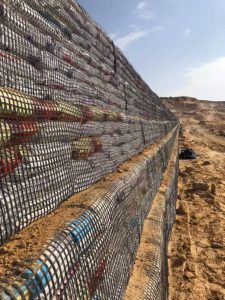
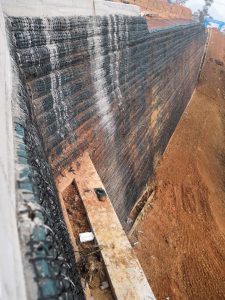
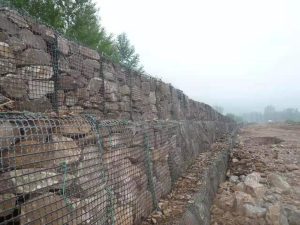
Key Features of Lianyi’s Polyester Uniaxial Geogrid
- Exceptional Tensile Strength
- Engineered with high-tenacity polyester fibers, Lianyi’s geogrids deliver superior tensile strength in the primary direction, ensuring stability under heavy loads and extended service life.
- Durable and Long-Lasting
- Manufactured with a robust polymer coating, these geogrids resist chemical degradation, UV exposure, and biological attack, maintaining their integrity in diverse environmental conditions.
- Low Creep for Long-Term Stability
- Lianyi’s geogrids exhibit minimal creep under sustained loads, making them ideal for critical infrastructure projects requiring long-term performance.
- Optimal Soil Interaction
- The geogrids feature an open mesh design that enhances interlock with backfill materials, ensuring efficient load transfer and reinforcing the overall structure.
- Sustainability Advantage
- By reducing the need for concrete or other high-carbon footprint materials, Lianyi’s polyester uniaxial geogrids support sustainable construction practices and environmental preservation.
- Lightweight and Easy to Install
- Their lightweight nature and ease of handling reduce installation time and labor costs, offering a practical and cost-effective solution for contractors.
Applications
- MSE Walls: Ensures structural stability and prevents deformation under heavy traffic or seismic loads.
- Reinforced Slopes: Strengthens steep slopes, enabling efficient land use while minimizing environmental disruption.
- Embankments over Soft Soil: Enhances stability and prevents differential settlement.
Why Choose Lianyi?
- Proven Expertise: As the largest geogrid manufacturer in China, Lianyi delivers cutting-edge solutions backed by years of research and development.
- Certified Quality: All products meet international standards, including ISO 9001, CE, and IGS certifications, ensuring reliability and safety.
- Eco-Friendly Solutions: Lianyi prioritizes sustainability by providing products that minimize environmental impact while maximizing performance.
Comparison: Lianyi’s Polyester Uniaxial Geogrid vs. Conventional Reinforced-Concrete Retaining Structures
Using Lianyi’s polyester uniaxial geogrids for earth retaining structures offers several advantages over traditional reinforced-concrete retaining walls. Here’s a detailed comparison:
1. Cost-Effectiveness
- Geogrid-Reinforced Structures:
- Lower Material Costs: Geogrid-reinforced walls allow the use of locally available backfill materials, reducing the need for expensive concrete or imported aggregates.
- Reduced Construction Costs: Lightweight geogrids are easier to transport and install, minimizing labor and equipment costs.
- Savings on Foundations: Geogrid walls exert lower pressure on foundations, reducing excavation and foundation requirements.
- Reinforced-Concrete Walls:
- High costs for materials like concrete, steel reinforcement, and formwork.
- Labor-intensive construction requiring skilled workers and heavy machinery.
2. Construction Time
- Geogrid-Reinforced Structures:
- Faster installation due to simple layering of geogrids and backfill.
- No curing time required, unlike concrete.
- Reinforced-Concrete Walls:
- Time-consuming due to formwork setup, concrete pouring, curing, and reinforcement placement.
3. Environmental Impact
- Geogrid-Reinforced Structures:
- Eco-Friendly: Minimizes the use of concrete, reducing carbon emissions.
- Allows for natural vegetation on the wall face, blending with the environment.
- Reinforced-Concrete Walls:
- High carbon footprint due to cement production and steel reinforcement.
- Typically results in a stark, artificial appearance that may not integrate well with natural surroundings.
4. Structural Flexibility
- Geogrid-Reinforced Structures:
- Flexible Design: Can accommodate differential settlement and seismic activity without significant damage.
- Suitable for steep slopes and irregular terrains.
- Reinforced-Concrete Walls:
- Rigid structure prone to cracking under differential settlement or seismic forces.
- Less adaptable to complex geometries.
5. Durability and Maintenance
- Geogrid-Reinforced Structures:
- Long-lasting due to high resistance to chemical degradation, biological attack, and UV exposure.
- Minimal maintenance required after installation.
- Reinforced-Concrete Walls:
- Susceptible to cracking, corrosion of steel reinforcements, and spalling over time.
- Higher maintenance costs for repairs and reinforcements.
6. Design Versatility
- Geogrid-Reinforced Structures:
- Enables creative and aesthetic wall designs with vegetated or textured finishes.
- Can be designed for varying heights and load conditions with optimized geogrid spacing.
- Reinforced-Concrete Walls:
- Limited design options, often resulting in plain and uniform structures.
- Difficult and costly to adapt for aesthetic or environmental integration.
7. Performance Under Load
- Geogrid-Reinforced Structures:
- Distributes loads efficiently through soil reinforcement, ensuring stability under heavy or dynamic loads.
- Excellent performance in soft soil conditions with proper geogrid selection.
- Reinforced-Concrete Walls:
- Performs well under static loads but requires significant engineering and material reinforcement for dynamic or heavy loads.
8. Applications
- Geogrid-Reinforced Structures:
- Ideal for MSE walls, reinforced slopes, and embankments over soft soils.
- Widely used in transportation infrastructure, residential developments, and landscaping.
- Reinforced-Concrete Walls:
- Commonly used for urban retaining walls, high-load applications, or when aesthetics are secondary.
Conclusion
Lianyi’s polyester uniaxial geogrids provide a sustainable, cost-effective, and versatile alternative to conventional reinforced-concrete retaining walls. They are particularly advantageous in projects requiring quick installation, environmental integration, and adaptability to challenging conditions. While reinforced-concrete walls may still be preferred for specific applications (e.g., extremely high loads or urban areas with limited space), geogrid-reinforced solutions are often the superior choice for modern earth retaining structures.
