


Geogrids: Engineering the Future of Resilient Infrastructure
In an era where infrastructure demands collide with environmental challenges, geogrids have emerged as transformative geosynthetic solutions that redefine the boundaries of civil engineering. As a pioneer in polymer engineering, Feicheng Lianyi Engineering Plastics Co., Ltd. has been at the forefront of developing geogrid technologies that empower global infrastructure stakeholders to achieve unprecedented performance-to-cost ratios while meeting UN Sustainable Development Goals (SDGs). Geogrids can be classified into several types based on the production technology used to create them. The most common production technologies for geogrids include:
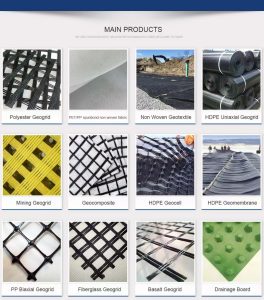
- Welded Geogrids
- Production Technology: These geogrids are made by welding intersecting polymeric strands at specific points to create a grid structure.
- Use: They are often used for reinforcing soil, asphalt pavements, and slopes, providing strength at the intersections of the welded strands.
- Extruded Geogrids
- Production Technology: These are made by extruding a polymer through a die to form grid-like structures with apertures. The material is then stretched to increase strength.
- Use: They are typically used for reinforcing roadways, railways, and other load-bearing structures.
- Knitted Geogrids
- Production Technology: These are made by interlacing fibers in a knitting pattern, which allows for flexibility and increased strength.
- Use: They are suitable for various soil reinforcement and erosion control applications.
- Geogrid Composites (PP or PET-based)
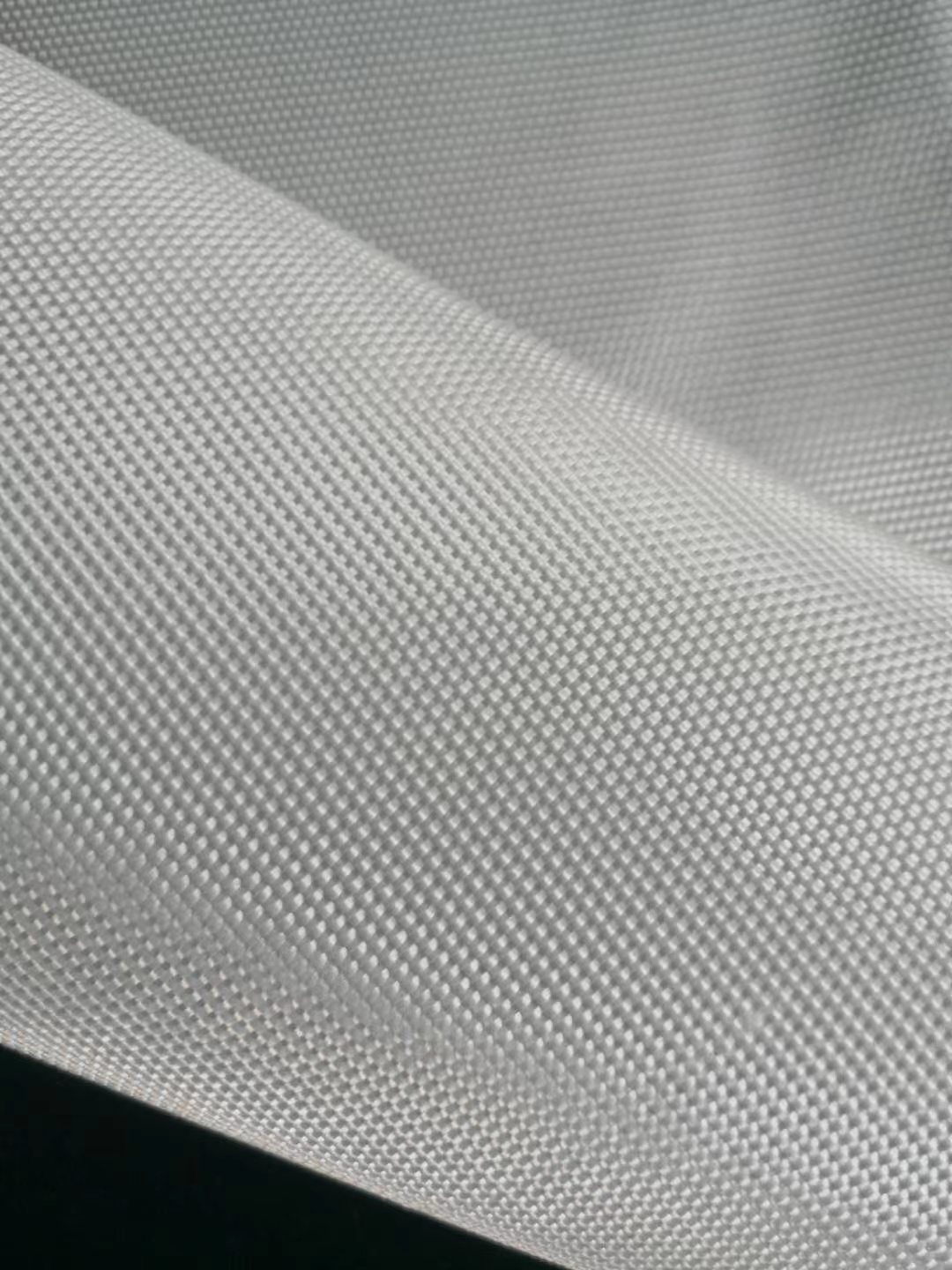
- Production Technology: These are geogrids that are combined with geotextiles or geomembranes, often through lamination, to create a composite material. The geotextile or geomembrane adds additional benefits, such as filtration or waterproofing.
- Use: Used in applications like reinforcement of roadways, slopes, and subgrades where both soil stabilization and filtration are required.
The Multidimensional Impact of Geogrids
- Structural Reinforcement Redefined
Modern biaxial and triaxial geogrids (e.g., PP, PET, HDPE) create a three-dimensional reinforcement matrix within soil structures. Through advanced aperture geometry design (typically 15-40mm for base stabilization), they achieve 95%+ interlock efficiency with aggregate particles, increasing shear strength by 200-400% compared to unreinforced soil. This enables:
- Road/Railway Foundations: Reduce pavement thickness by 30% while achieving 60% higher traffic load capacity (ASTM D6637-11 verified)
- Embankment Engineering: Construct 45°-70° reinforced slopes where natural angle of repose is only 30°, saving 40% land footprint in mountainous regions
- Airport Runways: Our geogrid-reinforced bases at [Example Project] withstood 500+ aircraft movements daily, reducing maintenance costs by $1.2M/year
- Climate-Adaptive Solutions
With climate-related infrastructure damage costing $300 billion annually (World Bank), our geogrids provide:
- Coastal Resilience: Hybrid geogrid-gabion systems withstand 8-10m wave forces in typhoon zones
- Permafrost Stabilization: Low-thermal-conductivity geogrids maintain subgrade integrity in Arctic Circle projects (-50°C tested)
- Flood Control: Reinforced levees using 8-layer geogrid structures survived 100-year flood events in [Country Case Study]
- Circular Economy Enabler
Our patented 100% recyclable geogrids (certified Cradle to Cradle Silver) incorporate 30% post-industrial recycled polymers without compromising tensile strength (≥50kN/m). This aligns with EU Green Deal requirements, reducing project carbon footprints by 18-22% versus traditional methods.
Future-Oriented Market Opportunities
Global geogrid market is projected to reach $2.1 billion by 2028 (CAGR 8.7%) driven by:
1. Mega-Corridor Developments
- China’s Belt & Road Initiative: 25,000km new railways requiring slope stabilization
- India’s Bharatmala Project: 34,800km highways needing subgrade reinforcement
- EU TEN-T Network: 15,000km cross-border transport routes
2. Energy Transition Infrastructure
- Offshore Wind: Geogrid-stabilized cable trenches for 380GW new capacity by 2030
- Solar Farms: Erosion control in utility-scale PV plants (1MW requires 1,500m² geogrids)
- Hydrogen Pipelines: Reinforcement for 50,000km planned hydrogen networks
3. Smart Material Innovations
- Self-healing geogrids: Microcapsule technology repairs up to 3mm cracks autonomously
- IoT-enabled grids: Embedded fiber optics monitor strain with ±0.01% accuracy
- Bio-based polymers: PLA-geogrid composites achieving 80% biodegradability
Feicheng Lianyi’s Strategic Advantages
- R&D Leadership: 28 patented technologies, including anti-aging formulations (20-year UV resistance) and flame-retardant grades (UL94 V-0 certified)
- Global Compliance: Certifications across 46 countries (CE, UKCA, GOST-R, INMETRO, etc.)
- Digital Integration: AI-driven production lines ensuring ±2% dimensional tolerance
- Project Portfolio: Successfully deployed in:
- Panama Canal Expansion (3.2 million m² geogrids)
- NEOM Smart City (modular geogrid pavement systems)
- Amazon Conservation Roads (low-impact forest infrastructure)
Vision 2030: Sustainable Geosynthetics Ecosystem
We’re pioneering graphene-enhanced geogrids (200% strength/weight ratio improvement) and blockchain-based material traceability systems. Partnering with global engineering consortia, we aim to enable infrastructure that not only bears loads but generates value – from carbon-sequestering “living roads” to energy-harvesting smart grids.
