
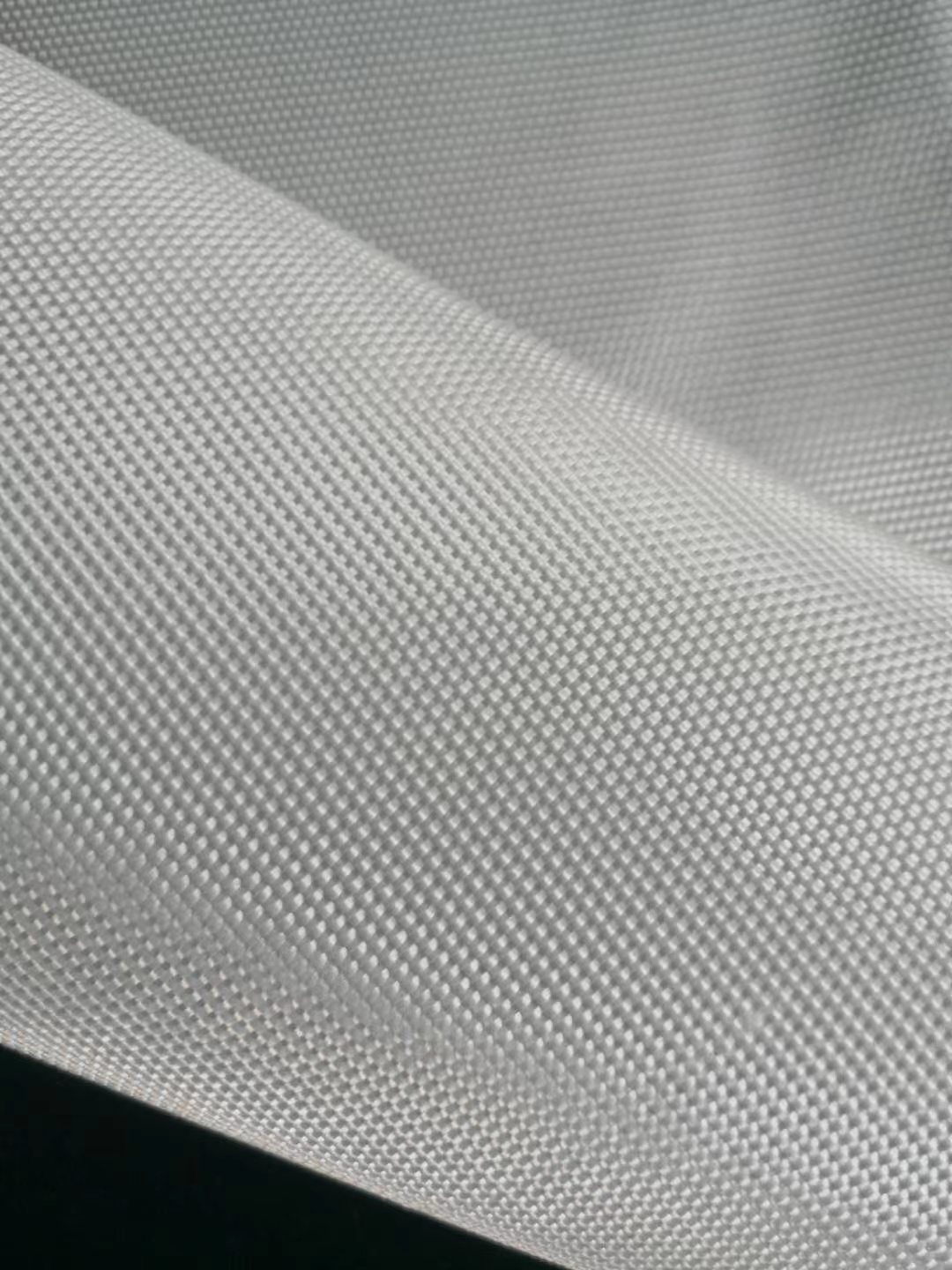
In the civil engineering and geotechnical construction fields, ground reinforcing systems have a significant impact on enhancing the soil’s performance, increasing its lifespan, and reducing the cost of long-term maintenance. Among the most popular solutions are Geogrid and Geoweb. Despite being both considered a geosynthetic and frequently mentioned as a group, they are significantly different in regard to structure, function, and application.
This article provides a comprehensive, professional comparison between Geogrid and Geoweb that focuses on the principles of engineering, behavior of materials, the way they are transferred, installation, and performance in the real world. If you’re considering different soil stabilization methods for roads, slopes, retaining structures, or load-bearing foundations, understanding the differences is crucial.
Understanding the Role of Geosynthetics in Modern Engineering
Before evaluating Geogrid and Geoweb directly, it’s important to understand the reasons why geosynthetics have become essential in modern infrastructure development.
The traditional method of soil reinforcement was primarily dependent on excavation, soil replacement, and overdesign using concrete or steel. These approaches are costly, time-consuming, and environmentally detrimental. Geosynthetics, including Geogrid, Geotextile, and Geoweb, have been engineered to provide supplementary support while also reducing the carbon footprint of the material and its utilization.
Among these, Geogrid has become the most popular reinforcing solution for tensile soil stabilization, while Geoweb systems have a more focused approach on three-dimensional confinement.
What Is Geogrid?
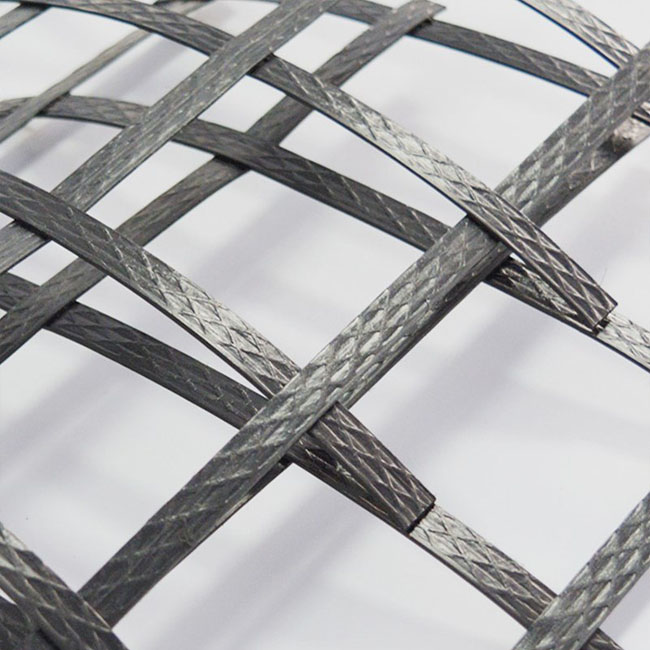
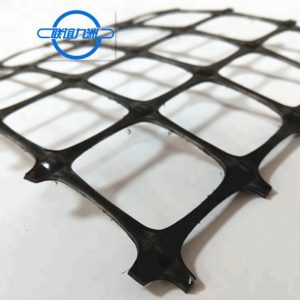
Geogrid is a synthetic material that is primarily composed of polymer and that is intended to provide additional tensile strength in soil or other layers that are aggregated. It’s composed of a grid-like design with regularly spaced openings that allow interaction with the surrounding soil or fill material.
Common materials employed in Geogrids.
Many Geogrids are composed of polymers that have a high tensile strength, such as:
- Polypropylene (PP)
- High-density polyethylene (HDPE)
- Polyester (PET) with a polymeric coating
These materials have a high tensile strength, chemical resistance, and a long lifespan in subterranean conditions.
Structural properties of Geogrid
The singular attribute of Geogrid is its open-grid design. This composition facilitates:
- Rigid mechanical association with clusters
- Effective transfer of loads through stretchiness
- Lessening of the lateral displacement of soil particles
Depending on the design’s specifications, Geogrids may be:
- Uniaxial (power in one direction)
- Biaxial (power in both directions)
- Triad (mixed directional transportation)

What Is Geoweb?
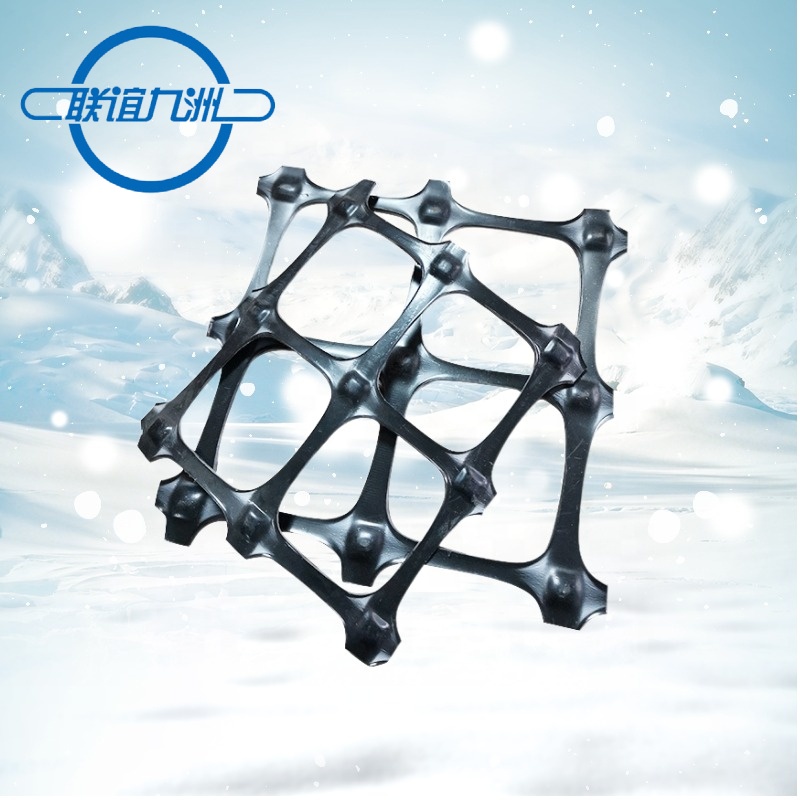
Also known as a cellular containment system, Geoweb is a 3-dimensional honeycomb-like structure composed of polymeric strips that are welded together. When added to the site and filled with soil, sand, or other material, it creates a semi-intuited barrier that binds the supplemental material.
Unlike Geogrid, which primarily relies on stretchiness, Geoweb is not primarily based on this property. Instead, it promotes soil function through cellular compaction.
The distinguishing features of geoweb systems:
- Three-dimensional structure
- Extremely wide lateral restriction
- The distribution of loads across insufficient subtypes
- Control of erosion on the surface.
Geoweb systems are typically composed of HDPE and are supplied in panels that are collapsed for easy transportation.
Fundamental Difference Between Geogrid and Geoweb
The core difference between Geogrid and Geoweb lies in how they interact with soil.
| Aspect | Geogrid | Geoweb |
| Structural form | 2D planar grid | 3D cellular structure |
| Reinforcement mechanism | Tensile load transfer | Confinement and load dispersion |
| Soil interaction | Aggregate interlock | Cell-based confinement |
| Typical placement | Between soil layers | On the surface or within shallow layers |
Understanding this fundamental distinction helps engineers choose the correct system based on load conditions and soil behavior.
Load Transfer Mechanism: Geogrid vs Geoweb
How does the transfer of land to the city affect the population?
Geogrid promotes soil reinforcement through tension-based action. When weights are placed on the Geogrid, the tensile forces that are developed cause the lateral movement of the soil to be restricted. This process:
Increases the capacity to bear stress
Reduces the amount of time spent raking and the degree to which it deforms.
Increases the overall tensile strength of the augmented layer.
The association between Geogrid’s apertures and aggregates is essential. Poorly graded aggregate or misaligned installation can greatly diminish the performance.
How does the transfer of data from Geoweb’s servers load?
Geoweb employs cell confinement to distribute loads; this is accomplished by filling the cells with infill. Each cell functions as a miniature retaining structure that prevents lateral translation. This produces:
Reduced vertical tension on slim subgrades.
Increased load distribution over a larger area with the same load.
Increased stability in response to dynamic pressure.
Geoweb is particularly beneficial when the subgrade soil has a low capacity to support weight.
Performance in Road and Pavement Applications
The Use of Geogrid in the Construction of Roads
Geogrid is commonly employed in the following areas:
- Base and sub-base support
- Asphalt pavement augmentation
- Heavy-duty agricultural roads
On the road, Geogrid:
- Reduces the need for aggregate thickness.
- Increases the life of the pavement.
- Minimizes the reflective nature of the asphalt’s cracks.
Because Geogrid functions within the structural layers, it is beneficial for long-term performance under heavy traffic repetition.
Geoweb in the Real-World Use of the App
Geoweb is typically employed for:
- Permissible temporary roads
- Low-traffic roads on insufficient subgrades.
- Construction platforms
While Geoweb is effective immediately, it’s typically not used on high-speed or high-traffic roads due to its design, which is primarily oriented towards the surface.
Slope Stabilization and Erosion Control
Geogrid for pendiente and retained structures
Geogrid is superior to reinforcing soil and solid walls. Its stretchiness increases the potential engineers have.
- sloping steeps
- Mechanically supported earth (MSE) walls
- Supported banks
Geogrid’s reinforcing effects enable soil structures to act as a single mass that resists both internal and external forces.
Geoweb for the Protection of the surface.
Geoweb is frequently employed for:
- Control of erosion on the surface.
- Channel reservation
- Vegetated slope defense
The cellular organization promotes soil conservation while also protecting runoff and erosion.
Installation Complexity and Construction Efficiency
Installing Geogrid
The process of installing a geogrid is relatively simple, but it requires caution:
- Adequate preparation of the subgrade
- Effective tensioning and overlap
- Effective aggregate choice
- Mistakes in placement can adversely affect the interlock and diminish the effectiveness of reinforcement.
- Establishing a link to the Earth
The process of installing Geoweb involves:
- Supporting the additional panels
- Compacting and filling the infill material fully.
- Preventing the uniform growth of cells.
- While Geoweb is more labor-intensive, it has greater flexibility on slanted terrain.
Durability and Long-Term Performance
Geogrid Life-span
High-quality Geogrids are intended for use that has a service life of over 50 years. The main factors that contribute to a long life are:
Adversity to creep
UV stability during installation
The resistance of chemicals in soil that is aggressive is
The performance of Geogrids is documented over time in field research.
Geoweb’s resilience
Other benefits of geoweb systems include a longer service life, but they are more susceptible to environmental factors. The exposure to UV light, cycles of freeze-thaw, and the wear of the surface must be considered during design.
Cost Considerations and Economic Efficiency
The economic efficiency of Geogrid is demonstrated by its low cost per unit of production.
Despite the higher initial cost of Geogrid, the overall project budget is often reduced due to:
- Lower total concentrations
- Limitations on the excavation
- Increasing the frequency of servicing
For large-scale projects that require infrastructure, Geogrid has a strong life cycle cost advantage.
The economic efficiency of Geoweb’s costs is discussed in the following manner:
Geoweb is beneficial for:
- Near-term stability
- Creative projects that are budgeted
- Controlling erosion in applications.
However, for permanent structures that support loads, the long-term economics are typically in favor of Geogrid.
Environmental Impact and Sustainability
Geogrid promotes sustainability through:
- Reducing the amount of natural aggregate used
- Reducing the carbon emissions from the transportation of materials.
- Increasing the lifespan of infrastructure
Geoweb promotes environmental initiatives by:
- Allowing vegetated areas to have their own life.
- Avoiding soil degradation
- Reducing soil erosion
Both of these systems are in line with modern methods of sustainable construction when applied correctly.
Choosing Between Geogrid and Geoweb
The choice between Geogrid and Geoweb is based on the following criteria:
- The volume of the load and its frequency
- The soil’s conditions below the grade
- Project duration
- Environmental exposure
- Maintenance expectations
In the majority of permanent infrastructure projects, Geogrid is the most popular option because of its superior tensile strength and long-term performance.
Common Misconceptions About Geogrid and Geoweb
One common misconception is that Geoweb will serve as a replacement for Geogrid in all instances. While Geoweb offers exceptional restraint, it cannot provide the same stretchiness needed for structural stability in the deep.
Another common misconception is that Geogrid is only appropriate for road use. In practice, Geogrid is commonly employed in elevations, railways, foundations, and soil-retaining systems.
Future Trends in Geogrid Technology
- Composite and Multiple-Purpose Geogrid Systems
Geogrid solutions have evolved past their single intended purpose. Composite products that include geogrids as well as geotextiles, drainage cores, or other synthetic materials are increasingly popular. These combined systems have multiple functions: soil enhancement, filtration, moisture control, and separation. They are intended to be installed in fewer layers, which improves the performance of the system and reduces the complexity of installation. This trend promotes a decrease in material consumption and a decrease in the complexity of projects regarding infrastructure and soil stabilization.
- Innovative materials and superior design
Advances in polymer chemistry and manufacturing have facilitated the creation of high-strength geogrids that are biaxially and triaxially oriented. These geogrids have a significantly enhanced junction strength and tensile stiffness. These high-performance materials facilitate heavier payloads and expand the use of geogrids in demanding environments, including heavy roadways, mining roads, and airport pavements.
- Sustainability and Eco-Friendly Solutions
Sustainability is a significant component of geosynthetics. Geogrid producers are taking on materials that are recycled, bio-based, and low-carbon in order to reduce environmental impact. These environmentally-oriented products follow green building regulations and help construction contractors achieve LEED and other environmental licenses.
- Smart Geogrid Technologies
Geogrids are now beginning to include embedded sensors and intelligent capabilities that allow for real-time measurement of parameters like stress, strain, moisture, and deformation. This type of smart geogrid allows for continuous monitoring of augmented structures, early detection of issues, and planning for proactive maintenance, all of which are now possible with geosynthetics.
- Digitization and Trackability of Quality
Digitization solutions like the QR-based certification system and data-driven installation tracking are being embraced to facilitate improved quality assurance and traceability. These instruments associate product test results (e.g., tensile strength information) with unique identifiers, which reduces the difficulty of disputes regarding inspection and increases on-site confidence.
- Climate Resilience and Regulatory Influences
With the increasing popularity of resilient infrastructure as a result of climate change, geogrids are now frequently incorporated into projects that focus on erosion control, slope stability, flood protection, and disaster mitigation. Meanwhile, more stringent regulations and enhanced standards globally have led to a greater use of certified geogrid systems in public projects and safety-critical areas.
- Increasing the market’s size and scope of application
The global market for geogrids is still expanding, as supported by the development of infrastructure in the Asia-Pacific, specifically in China and Japan. The increase in awareness of soil stability solutions is also responsible for the growth of the market. Urbanization and large civil projects have led to an increase in the adoption of roads, rail, walls, and landfills.
Conclusion: Geogrid vs Geoweb — A Clear Engineering Choice
While both Geogrid and Geoweb have an important role in soil stabilization, they are not substitutes for one another. Geogrid serves as a powerful tensile reinforcing system, which is ideal for long-term structural applications. Conversely, Geoweb provides surface-level protection and erosion control.
For contractors, engineers, and project planners who seek to strengthen the ground permanently, understanding the distinctions is crucial to making the best design decisions and achieving project success.
In most instances where structural support is required, Geogrid is still the most popular solution.
