

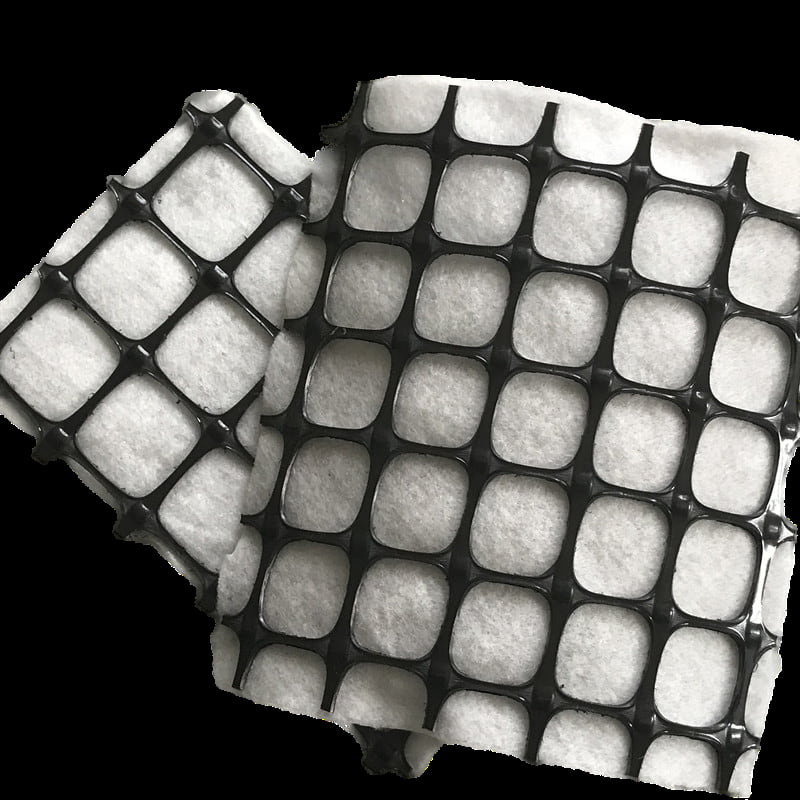

Fiberglass Geocomposite has emerged as a crucial material in modern infrastructure development, known for its exceptional strength, stability, and durability. As road networks, railways, and other structural projects expand to meet growing demands, there is a pressing need for materials that can reinforce and extend the life of these infrastructures. Fiberglass Geocomposite meets this need by enhancing load-bearing capacity, improving crack resistance, and offering long-lasting performance.
1. Road Construction and Pavement Reinforcement
One of the leading applications of fiberglass geogrid composite is in road construction and pavement reinforcement. Roads are subject to continual wear from vehicle loads, weather changes, and environmental stresses, often resulting in cracks, rutting, and deterioration over time. Fiberglass Geocomposite serves as a reinforcement layer that prevents these issues by increasing pavement strength, improving load distribution, and reducing cracking.
- Crack Resistance and Prevention: Traditional pavements are prone to cracking, leading to water infiltration and accelerated degradation. Fiberglass Geocomposite, placed beneath asphalt layers, reinforces the pavement structure and minimizes reflective cracking. According to a study by the American Society of Civil Engineers (ASCE), using fiberglass geogrid composite can reduce cracking by over 50%, significantly enhancing pavement lifespan.
- Increased Load-Bearing Capacity: Roads are often burdened by heavy traffic, especially in urban areas and highways. The addition of fiberglass geogrid composite in pavement layers can increase load-bearing capacity by up to 30%, as found in field studies across various countries. This improvement allows roads to handle heavier traffic loads without deteriorating prematurely, reducing the frequency of repairs and maintenance.
2. Railway Track Stabilization
Railways are another sector where Fiberglass Geocomposite has shown substantial benefits, specifically in track stabilization. Rail networks face challenges due to the heavy weight of trains, vibrations, and soil instability. Fiberglass geogrid composite provides a solution by offering structural support that keeps the track bed stable and reduces deformation.
- Vibration Absorption: Vibrations from passing trains create stress on railway tracks and can lead to track deformation over time. Fiberglass geogrid composite has high tensile strength and flexibility, which helps in absorbing these vibrations. In a case study published by the International Journal of Railway Engineering, it was found that railways reinforced with fiberglass geogrid composite experienced 20% fewer track distortions compared to conventional materials.
- Enhanced Stability on Soft Soils: Rail tracks laid on soft or clayey soils often face the risk of subsidence, affecting the stability and safety of the tracks. The inclusion of fiberglass geogrid composite in the track foundation can improve soil stability and prevent sinking. Data from the European Railway Track Foundation indicated that tracks built on soft soils reinforced with Fiberglass Geocomposite showed 35% greater stability, allowing for safer, uninterrupted railway operations.
3. Erosion Control in Slope and Embankment Protection
Soil erosion is a persistent issue in regions with slopes, embankments, and riverbanks. Fiberglass Geocomposite is commonly applied in erosion control as it strengthens the soil and prevents movement caused by water, wind, and other natural elements. It is widely used to protect slopes along highways, river embankments, and coastal areas from erosion damage.
- Slope Stability: Slopes are highly susceptible to erosion, especially in areas prone to heavy rainfall. By incorporating fiberglass geogrid composite into slope stabilization projects, engineers can reinforce the soil and prevent landslides. In one instance, the Department of Environmental Protection reported a 40% decrease in landslide occurrences in areas where fiberglass geogrid composite was installed on highway slopes.
- Protection of River and Coastal Embankments: River and coastal embankments are also vulnerable to erosion from water flow, tides, and wave action. fiberglass geogrid composite can reinforce these areas by anchoring the soil and preventing displacement. Research by the Coastal Engineering Journal found that reinforced embankments using Fiberglass Geocomposite showed a 60% increase in erosion resistance, helping to maintain the integrity of shorelines and riverbanks.
4. Landfill and Waste Containment
Landfills are challenging environments that require materials capable of containing waste and preventing contamination of surrounding soil and groundwater. Fiberglass geogrid composite is highly effective in landfill applications due to its chemical resistance, durability, and strength. It is often used as part of the landfill liner system, which ensures containment and prevents leachate infiltration.
- Durability and Chemical Resistance: Landfill liners must withstand a harsh environment with exposure to chemicals, moisture, and varying temperatures. fiberglass geogrid composite offers high resistance to chemical degradation, extending the life of landfill liners. According to a study conducted by the Environmental Protection Agency (EPA), landfill liners that included Fiberglass Geocomposite showed a lifespan increase of up to 25%, reducing the need for frequent replacements.
- Enhanced Leak Prevention: Fiberglass Geocomposite plays a crucial role in preventing leachate—a toxic liquid that can seep from landfills—from contaminating groundwater. When integrated into liner systems, it acts as a robust barrier that keeps leachate contained. The Solid Waste Management Journal published findings showing a 50% reduction in leachate seepage incidents when fiberglass geogrid composite was used in containment systems.
5. Retaining Wall Reinforcement
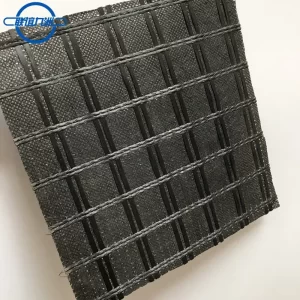
Retaining walls are widely used in construction to hold back soil in elevated areas, prevent landslides, and create level surfaces for buildings and roads. Fiberglass Geocomposite can reinforce retaining walls by increasing their stability, especially in regions with soft or loose soil.
- Improved Structural Stability: Retaining walls face significant lateral pressure from the soil they support. fiberglass geogrid composite provides extra tensile strength, helping the wall withstand these forces without deformation. In a comparative study by Civil Engineering Review, retaining walls reinforced with Fiberglass Geocomposite showed a 45% reduction in lateral movement under pressure.
- Longevity and Reduced Maintenance Costs: Retaining walls can be costly to repair if they fail. By using fiberglass geogrid composite to reinforce these structures, maintenance requirements and costs are reduced. According to data from the Construction Materials Journal, Fiberglass Geocomposite reinforcement can reduce repair costs by up to 30% due to its contribution to the wall’s durability.
6. Airfield Runway Stabilization
Airfield runways are subject to high loads from airplanes, which can cause rutting and other forms of deterioration. The use of Fiberglass Geocomposite in airfield construction is becoming popular due to its ability to enhance runway stability, improve load distribution, and minimize rutting and cracking.
- Increased Load-Bearing Capacity for Heavy Aircraft: Runways reinforced with fiberglass geogrid composite can handle the heavy loads imposed by large aircraft without deteriorating. A report by the Federal Aviation Administration (FAA) showed that using Fiberglass Geocomposite in runway construction increased load-bearing capacity by 40%, making it a preferred material in high-traffic airports.
- Reduction in Maintenance and Repair: Runways experience rapid wear and tear due to frequent takeoffs and landings. Fiberglass geogrid composite helps to extend runway life and reduce the frequency of maintenance. The Aviation Materials Research Institute found that the lifespan of runways reinforced with fiberglass geogrid composite increased by approximately 25%, reducing maintenance downtime and enhancing airport operations.
Conclusion
Fiberglass Geocomposite is a versatile and powerful material that has gained significant attention in the civil engineering and construction industries. With applications ranging from road and railway reinforcement to erosion control, landfill containment, retaining wall reinforcement, and airfield stabilization, its role in infrastructure development is profound. As demonstrated by relevant data and studies, fiberglass geogrid composite not only enhances structural integrity but also contributes to sustainability by extending the lifespan of infrastructure and reducing maintenance needs. Fiberglass Geocomposite stands out as an essential material that delivers immediate and long-term benefits for infrastructure projects where longevity, stability, and durability are paramount.
