


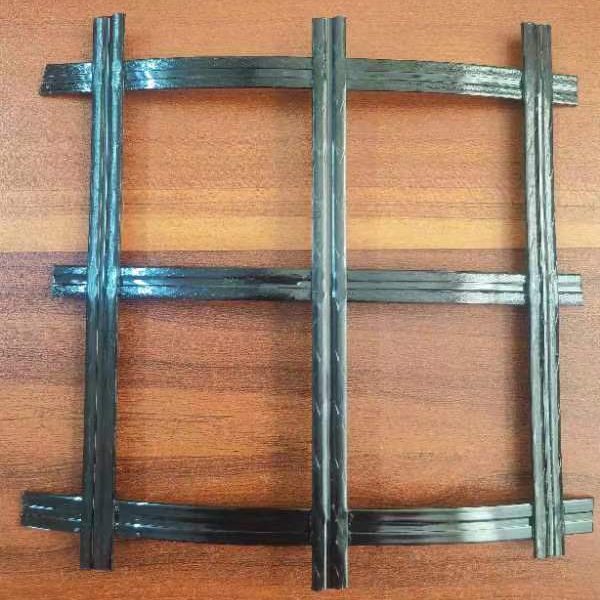
Τριαξονικό γεωπλέγμα είναι ένα προηγμένο υλικό γεωσυνθετικής ενίσχυσης με τριγωνική δομή αποθήκευσης που κατανέμει τα φορτία ομοιόμορφα σε πολλές κατευθύνσεις, περισσότερο από τα παραδοσιακά διαξονικά γεωδίχτυα.
Έρευνα που δημοσιεύθηκε από τη Διεθνή Εταιρεία Γεωσυνθετικών και την ASTM International δείχνει ότι τα τριαξονικά γεωδίχτυα μπορούν να βελτιώσουν σημαντικά τον περιορισμό του εδάφους, τη σταθερότητα των οδοστρωμάτων, τη φέρουσα ικανότητα, την αντοχή στις ρηγματώσεις και τη μακροχρόνια αντοχή των υποδομών σε έργα οδοποιίας, τοιχοποιίας, σιδηροδρόμων, αναχωμάτων και ενίσχυσης θεμελίων. Οι λύσεις τριαξονικών γεωδιχτύων υιοθετούνται όλο και περισσότερο στη σύγχρονη μηχανική υποδομών λόγω της υψηλής δομικής αποδοτικότητάς τους, της μειωμένης κατανάλωσης αδρανών, της μεγαλύτερης διάρκειας ζωής των οδοστρωμάτων και της ανώτερης απόδοσης σε πολλαπλές κατευθύνσεις.
Εισαγωγή: Γιατί το Τριαξονικό Γεωδίχτυ Έχει Γίνει Κρίσιμο στη Σύγχρονη Ενίσχυση Εδάφους
Τα σύγχρονα έργα πολιτικού μηχανικού είναι όλο και πιο περίπλοκα, περιλαμβάνοντας αδύναμους υποβάθρους, βαριές κυκλοφοριακές φορτίες, ασταθείς συνθήκες εδάφους, περιβαλλοντική πίεση και μακροχρόνιες απαιτήσεις αντοχής για τις υποδομές. Καθώς τα συστήματα μεταφορών επεκτείνονται παγκοσμίως και τα έργα κατασκευής μεταφέρονται σε μαλακότερο ή πιο δύσκολο έδαφος, οι μηχανικοί χρειάζονται προηγμένες τεχνολογίες ενίσχυσης που μπορούν να βελτιώσουν τη σταθερότητα του εδάφους, διατηρώντας παράλληλα το κόστος κατασκευής και τον περιβαλλοντικό αντίκτυπο υπό έλεγχο.
Μία από τις πιο σημαντικές καινοτομίες στη σύγχρονη γεωτεχνική είναι η τεχνολογία των Τριαξονικών Γεωδιχτύων.
Σε αντίθεση με τα παραδοσιακά υλικά ενίσχυσης, τα τριαξονικά γεωδίχτυα είναι σχεδιασμένα ειδικά για να παρέχουν κατανομή φορτίων σε πολλές κατευθύνσεις. Η τριγωνική δομή των ραβδών τους βελτιώνει τον περιορισμό του εδάφους και την ενσωμάτωση των αδρανών αποτελεσματικότερα από τα σχέδια των συμβατικών διαξονικών διχτύων.
Σήμερα, τα υλικά τριαξονικών γεωδιχτύων χρησιμοποιούνται ευρέως σε τομείς των υποδομών, συμπεριλαμβανομένων:
| Τομέας Υποδομών | Τυπικές εφαρμογές |
| Κατασκευή αυτοκινητοδρόμων | Ενίσχυση βάσης |
| Σιδηρόδρομοι | Σταθεροποίηση έρματος |
| Αεροδρόμια | Σταθεροποίηση διαδρόμων αεροπορικών πτήσεων |
| Τοίχοι αντιστήριξης | Ενίσχυση εδάφους |
| Οδοί εξόρυξης | Υποστήριξη βαρέων φορτίων |
| Βιομηχανικοί χώροι | Κατανομή φορτίου |
| Επιχώματα | Σταθεροποίηση πρανών |
| Λιμενικές υποδομές | Υποστήριξη θεμελίων |
Οι παραδοσιακές μέθοδοι σταθεροποίησης εδάφους συχνά εξαρτώνταν σε μεγάλο βαθμό από παχιά στρώματα αδρανών και κοστοβόρες διαδικασίες εκσκαφής.
Ωστόσο, τα σύγχρονα έργα υποδομών απαιτούν όλο και περισσότερο λύσεις που προσφέρουν τα ακόλουθα:
- Χαμηλότερο κόστος κατασκευής;
- Γρηγορότερη εγκατάσταση;
- Βελτιωμένη φέρουσα ικανότητα;
- Μειωμένη κατανάλωση υλικών;
- Μεγαλύτερη διάρκεια ζωής των οδοστρωμάτων;
- Καλύτερη αντοχή στην αειφορία.
Αυτό έχει επιταχύνει την παγκόσμια υιοθέτηση τεχνολογιών γεωσυνθετικής ενίσχυσης.
Το τριαξονικό γεωδίχτυ διαφέρει ουσιαστικά από τα προηγούμενα συστήματα γεωδιχτύων, καθώς η τριγωνική γεωμετρία των αποθηκών του δημιουργεί σχεδόν ισότροπες χαρακτηριστικές σκληρότητας.
Αυτό σημαίνει ότι τα φορτία μπορούν να κατανέμονται ομοιόμορφα σε πολλές κατευθύνσεις αντί να είναι κυρίως κατά μήκος δύο κάθετων αξόνων.
Το αποτέλεσμα είναι βελτίωση:
- Συγκέντρωση αδρανών υλικών
- Κατανομή των καταπονήσεων
- Αντοχή στις ρηγματώσεις
- Δομική σταθερότητα
- Αλληλεπίδραση με το έδαφος
Τα σύγχρονα οδικά συστήματα αντιμετωπίζουν όλο και πιο απαιτητικές συνθήκες, συμπεριλαμβανομένων:
- Βαριά κυκλοφορία φορτηγών
- Επαναλαμβανόμενα δυναμικά φορτία
- Κύκλοι παγώματος-ελαφρύνσεως
- Εισροή νερού
- Παραμόρφωση του υποβάθρου
Χωρίς επαρκή ενίσχυση, αυτές οι συνθήκες μπορεί να προκαλέσουν:
- Rutting
- Ρηγματώσεις
- Διαφορικός διακανονισμός
- Πρόωρη καταστροφή των οδοστρωμάτων
Τα συστήματα τριαξονικών γεωδιχτύων βοηθούν σημαντικά στη μείωση αυτών των κινδύνων.
Άλλο ένα σημαντικό πλεονέκτημα είναι η αειφορία.
Με τη βελτίωση της δομικής αποδοτικότητας, η ενίσχυση με τριαξονικά γεωδίχτυα μειώνει συχνά την ποσότητα αδρανών που απαιτείται για την κατασκευή.
Αυτό μειώνει:
- Μεταφορά υλικών
- Κατανάλωση πόρων λατομείων
- Εκπομπές άνθρακα
- Απαιτήσεις εκσκαφής
Κατασκευαστές όπως Feicheng Lianyi συνεχίζουν να υποστηρίζουν παγκόσμια έργα υποδομών παρέχοντας προηγμένες τεχνολογίες γεωδιχτύων σχεδιασμένες για δύσκολες γεωτεχνικές συνθήκες και σύγχρονες μηχανικές προδιαγραφές.
Καθώς η παγκόσμια μεταφορική υποδομή συνεχίζει να επεκτείνεται, το τριαξονικό γεωδίχτυ έχει γίνει μία από τις πιο σημαντικές λύσεις ενίσχυσης στη σύγχρονη πολιτική μηχανική.

Τι Είναι Το Τριαξονικό Γεωδίχτυ;
Το τριαξονικό γεωδίχτυ είναι ένα υλικό γεωσυνθετικής ενίσχυσης με βάση πολυμερή, με τριγωνική δομή αποθήκευσης που παρέχει κατανομή φορτίων σε πολλές κατευθύνσεις και σταθεροποίηση του εδάφους.
Σε αντίθεση με τα παραδοσιακά διαξονικά γεωδίχτυα, τα οποία ενισχύουν κυρίως σε δύο κατευθύνσεις, τα τριαξονικά γεωδίχτυα κατανέμουν τα φορτία ομοιόμορφα σε πολλά μονοπάτια φορτίου.
Το υλικό κατασκευάζεται συνήθως από πολυαιθυλένιο υψηλής πυκνότητας (HDPE) ή πολυπροπυλένιο πολυμερή με διαδικασίες που περιλαμβάνουν:
- Εξώθηση
- Punching
- Επέκταση
- Μοριακή κατεύθυνση
Η τριγωνική γεωμετρία είναι το καθοριστικό χαρακτηριστικό της τεχνολογίας Triaxial Geogrid.
Αυτή η δομή βελτιώνει:
- Συγκεντρωτικό σύμπλεγμα
- Κατακράτηση του εδάφους
- Μηχανική σταθερότητα
- Αποδοτικότητα μεταφοράς φορτίου
Η παρακάτω πίνακας συνοψίζει τα βασικά δομικά χαρακτηριστικά.
| Ακίνητα | Χαρακτηριστικό της Triaxial Geogrid |
| Σχήμα ανοίγματος | Τριγωνικό |
| Κατανομή φορτίου | Πολυκατευθυντικό |
| Κύρια υλικά | PP ή HDPE |
| Μηχανισμός ενίσχυσης | Συγκέντρωση αδρανών υλικών |
| Τυπικές εφαρμογές | Οδοί και θεμέλια |
Τα παραδοσιακά υλικά ενίσχυσης συχνά δημιουργούν κατευθυντικές αδυναμίες, καθώς η πίεση συγκεντρώνεται κατά μήκος περιορισμένων αξόνων.
Τα συστήματα Triaxial geogrid αντιμετωπίζουν αυτό το πρόβλημα παρέχοντας πιο ομοιόμορφη ραδιακή σκληρότητα.
Αυτό βελτιώνει την απόδοση υπό συνθήκες δυναμικού κυκλοφοριακού φορτίου.
Το υλικό λειτουργεί κυρίως σταθεροποιώντας τα στρώματα αδρανών.
Όταν τα συμπιεσμένα αδρανή αλληλεπιδρούν με τις οπές της geogrid, τα σωματίδια γίνονται μηχανικά περιορισμένα.
Αυτό το αλληλοσυνδεόμενο αποτέλεσμα περιορίζει την πλευρική κίνηση και βελτιώνει τη μεταφορά φορτίου σε όλη την ενισχυμένη δομή.
Τα σύγχρονα συστήματα triaxial geogrid είναι σχεδιασμένα για:
- Υψηλή αντοχή σε τάσεις
- Μακροχρόνια αντοχή σε ερπυσμό
- Χημική ανθεκτικότητα
- Περιβαλλοντική σταθερότητα
- Αντοχή στην υπεριώδη ακτινοβολία
Ένα άλλο σημαντικό πλεονέκτημα είναι η αποτελεσματικότητα εγκατάστασης.
Σε σύγκριση με τις παραδοσιακές μεθόδους σταθεροποίησης βαθιάς εκσκαφής, η ενίσχυση με geogrid μπορεί να μειώσει σημαντικά την πολυπλοκότητα της κατασκευής.
Καθώς ο κλάδος της γεωτεχνικής συνεχίζει να εξελίσσεται προς πιο αποδοτικά και βιώσιμα συστήματα υποδομής, η τεχνολογία Triaxial Geogrid παραμένει στον πυρήνα της σύγχρονης καινοτομίας στην ενίσχυση εδάφους.
Πώς λειτουργεί η Triaxial Geogrid στην ενίσχυση εδάφους;
Η απόδοση των triaxial geogrid εξαρτάται από την αλληλεπίδραση μεταξύ της δομής τους και των περιβαλλόντων αδρανών ή εδαφικών υλικών.
Ο κύριος μηχανισμός ενίσχυσης είναι ένας μηχανικός αλληλοσυνδεόμενος.
Όταν τα σωματίδια αδρανών συμπιέζονται πάνω στην geogrid, διεισδύουν στις οπές και περιορίζονται πλευρικά από τις ρίζες.
Αυτό δημιουργεί ένα σταθεροποιημένο συνθετικό στρώμα με σημαντικά βελτιωμένη δομική συμπεριφορά.
Η διαδικασία ενίσχυσης περιλαμβάνει γενικά:
- Συγκέντρωση αδρανών υλικών
- Ανακατανομή φορτίου.
- Μειωμένη πλευρική κίνηση
- Αυξημένη φέρουσα ικανότητα
- Μικρότερη κάθετη παραμόρφωση
Ο παρακάτω πίνακας εξηγεί τους κύριους μηχανικούς μηχανισμούς.
| Μηχανισμός Ενίσχυσης | Οφέλη μηχανικής |
| Συγκεντρωτικό σύμπλεγμα | Βελτιωμένη σταθερότητα |
| Κατανομή φορτίου | Μειωμένη συγκέντρωση τάσεων |
| Πλευρική κατακράτηση | Αντοχή στις ρηγματώσεις |
| Ενίσχυση εφελκυσμού | Ενισχυμένη δομική ικανότητα |
| Σταθεροποίηση της βάσης | Μεγαλύτερη διάρκεια ζωής του οδοστρώματος |
Ένα από τα πιο σημαντικά πλεονεκτήματα της triaxial geogrid είναι η πολυδιεύθυνση σκληρότητάς της.
Τα κυκλοφοριακά φορτία σπάνια ενεργούν μόνο σε μία κατεύθυνση.
Τα οχήματα παράγουν τις ακόλουθες δυνάμεις:
- Δυνάμεις φρεναρίσματος;
- Δυνάμεις στροφής;
- Δυναμική δόνηση;
- Επαναλαμβανόμενο κρουστικό φορτίο.
Τα παραδοσιακά συστήματα biaxial μπορεί να μην κατανέμουν αυτές τις δυνάμεις ομοιόμορφα.
Η τριγωνική δομή της Triaxial Geogrid βελτιώνει τη ραδιακή μεταφορά φορτίου και ελαχιστοποιεί την τοπική συσσώρευση τάσεων.
Ένας άλλος κρίσιμος παράγοντας είναι η σταθεροποίηση του υποβάθρου.
Οι αδύναμοι χώροι συχνά παραμορφώνονται κάτω από επαναλαμβανόμενο φορτίο.
Αυτή η παραμόρφωση μπορεί να προκαλέσει:
- Rutting
- Ρωγμές στην επιφάνεια
- Μετατόπιση του αδρανούς υλικού
- Δομική καθίζηση
Με την ενίσχυση του στρώματος αδρανούς υλικού, η τριαξονική γεωδίχτυση μειώνει την πίεση που μεταδίδεται στο υποκείμενο υπόστρωμα.
Αυτό βελτιώνει σημαντικά τη μακροχρόνια απόδοση του οδοστρώματος.
Η σύγχρονη μηχανική των οδοστρωμάτων βασίζεται όλο και περισσότερο σε μηχανιστικά μοντέλα σχεδιασμού που αναγνωρίζουν τη δομική συνεισφορά της γεωδίχτυσης στα συστήματα αντοχής στο φορτίο.
Κύριες εφαρμογές της τριαξονικής γεωδίχτυσης
Η τεχνολογία της τριαξονικής γεωδίχτυσης έχει πολλές εφαρμογές στις υποδομές και τη γεωτεχνική μηχανική.
Ένα από τα μεγαλύτερα πεδία εφαρμογής είναι η κατασκευή δρόμων.
Τα οδικά οδοστρώματα δέχονται συνεχή βαριά κυκλοφοριακά φορτία που μπορούν να εξασθενίσουν τα βασικά στρώματα με τον καιρό.
Η τριαξονική γεωδίχτυση βοηθά στη βελτίωση:
- Σταθερότητας του βασικού στρώματος
- Ζωής του οδοστρώματος
- Αντοχή στις ρηγματώσεις
- Κατανομή φορτίου
Μια άλλη κύρια εφαρμογή είναι η σταθεροποίηση σιδηροδρομικών γραμμών.
Το στρώμα των σιδηροδρομικών στρώματος υφίσταται έντονο δυναμικό φορτίο λόγω της κίνησης των τρένων.
Η ενίσχυση με γεωδίχτυση βελτιώνει τον περιορισμό του στρώματος και μειώνει την παραμόρφωση της γραμμής.
Η παρακάτω πίνακας συνοψίζει τις κύριες εφαρμογές.
| Εφαρμογή | Κύριο Όφελος |
| Οδικά οδοστρώματα | Μειωμένη αυλάκωση |
| Σιδηρόδρομοι | Σταθεροποίηση έρματος |
| Τοίχοι αντιστήριξης | Ενίσχυση εδάφους |
| Επιχώματα | Σταθερότητας των κλίσεων |
| Αεροδρόμια | Υποστήριξη βαρέων φορτίων |
| Οδοί εξόρυξης | Συγκέντρωση αδρανών υλικών |
Η ενίσχυση με τριαξονική γεωδίχτυση είναι επίσης ωφέλιμη για βιομηχανικούς χώρους και επιβατικούς σταθμούς, καθώς αυτές οι περιοχές υποστηρίζουν εξαιρετικά βαριά, επαναλαμβανόμενα φορτία.
Σε περιβάλλοντα με αδύναμο χώρο, τα συστήματα τριαξονικής γεωδίχτυσης μπορούν να μειώσουν σημαντικά το απαιτούμενο βάθος εκσκαφής.
Αυτό μειώνει τα κόστη κατασκευής ενώ επιταχύνει τα χρονοδιαγράμματα των έργων.
Τα συστήματα τοιχωμάτων συνεχίζουν να ενσωματώνουν ενίσχυση με γεωδίχτυση για να βελτιώσουν:
- Σταθερότητας της μάζας του χώρου
- Ακεραιότητας των στηρικτικών δομών
- Ελέγχου της μακροχρόνιας καθίζησης
Η Feicheng Lianyi παρέχει λύσεις ενίσχυσης με γεωσυνθέτες που σχεδιάζονται για διάφορες εφαρμογές υποδομών όπου η μακροχρόνια δομική απόδοση και η ανθεκτικότητα είναι κρίσιμες.
Καθώς η ζήτηση για υποδομές αυξάνεται παγκοσμίως, η χρήση τριαξονικής γεωδίχτυσης συνεχίζει να επεκτείνεται σε όλο και πιο εξειδικευμένες μηχανικές εφαρμογές.
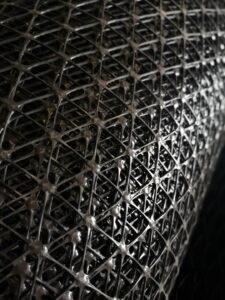
Πλεονεκτήματα της τριαξονικής γεωδίχτυσης σε σύγκριση με τις παραδοσιακές μεθόδους ενίσχυσης
Η σύγχρονη μηχανική υποδομών προτιμά όλο και περισσότερο την ενίσχυση με γεωσυνθέτες λόγω των πλεονεκτημάτων αποδοτικότητάς της σε σχέση με τις παραδοσιακές μεθόδους σταθεροποίησης.
Ένα μεγάλο πλεονέκτημα της τριαξονικής γεωδίχτυσης είναι η μείωση της κατανάλωσης αδρανούς υλικού.
Καθώς το ενισχυμένο στρώμα διανέμει τα φορτία πιο αποτελεσματικά, οι μηχανικοί μπορούν να μειώσουν το απαιτούμενο πάχος του βασικού στρώματος.
Αυτό δημιουργεί πολλαπλά οφέλη, συμπεριλαμβανομένων:
- Χαμηλότερων κόστων μεταφοράς
- Μειωμένης χρήσης υλικών λατομείων
- Ταχύτερη κατασκευή
- Χαμηλότερων εκπομπών CO2
Ο παρακάτω πίνακας συγκρίνει τις μεθόδους ενίσχυσης.
| Μέθοδος Ενίσχυσης | Κύριες Περιορισμοί | Πλεονέκτημα της Τριαξονικής Γεωδίχτυσης |
| Παχιά στρώματα αδρανούς υλικού | Υψηλό κόστος υλικών | Μειωμένο πάχος βασικού στρώματος |
| Αντικατάσταση του χώρου | Εκτεταμένη εκσκαφή | Ελάχιστη αφαίρεση υποστρώματος |
| Χημική σταθεροποίηση | Περιβαλλοντικές ανησυχίες | Μηχανική ενίσχυση |
| Παραδοσιακά διαξονικά πλέγματα | Κατευθυνόμενα όρια φορτίου | Πολυδιάστατη σταθερότητα |
Ένα άλλο σημαντικό πλεονέκτημα είναι η βελτιωμένη διάρκεια ζωής του οδοστρώματος.
Μειώνοντας στο ελάχιστο τη μακροπρόθεσμη δομική φθορά, τα συστήματα Triaxial Geogrid μειώνουν τις κοιλώσεις και τη μετατόπιση των αδρανών.
Αυτό μειώνει τη συχνότητα της συντήρησης και το κόστος ζωής.
Ένα άλλο σημαντικό πλεονέκτημα είναι η ταχύτητα εγκατάστασης.
Τα συστήματα Geogrid μπορούν συχνά να εφαρμοστούν γρήγορα χρησιμοποιώντας σχετικά απλές κατασκευαστικές διαδικασίες.
Αυτό είναι ιδιαίτερα πολύτιμο για:
- Απομακρυσμένα έργα
- Επείγουσα σταθεροποίηση οδών
- Ταχεία ανάπτυξη υποδομών
Η περιβαλλοντική απόδοση γίνεται επίσης όλο και πιο σημαντική.
Τα συστήματα Triaxial geogrid υποστηρίζουν τη βιώσιμη κατασκευή υποδομών μειώνοντας τη ζήτηση πρώτων υλών και βελτιώνοντας τη μακροπρόθεσμη αντοχή.
Καθώς οι κυβερνήσεις παγκοσμίως δίνουν προτεραιότητα στις βιώσιμες πρακτικές πολιτικού μηχανικού, η σημασία των τεχνολογιών γεωσυνθετικής ενίσχυσης συνεχίζει να αυξάνεται.
Διαδικασία εγκατάστασης και καλές πρακτικές κατασκευής
Η σωστή εγκατάσταση είναι ουσιαστική για τη μέγιστη απόδοση των Triaxial Geogrid.
Αν και οι διαδικασίες εγκατάστασης ποικίλλουν ανάλογα με τις συνθήκες του έργου, οι περισσότερες εφαρμογές ακολουθούν ένα παρόμοιο σύνολο κατασκευαστικών σταδίων.
Ο διαδικασία περιλαμβάνει γενικά τα εξής βήματα:
- Προετοιμασία υποβάθρου
- Ομαλοποίηση επιφάνειας.
- Τοποθέτηση γεωπλέγματος
- Διασπορά αδρανών
- Συμπίεση
- Ομαλοποίηση τελικού στρώματος
Η προετοιμασία του υποβάθρου είναι ιδιαίτερα σημαντική.
Αδύναμες ή ανομοιόμορφες επιφάνειες μπορεί να μειώσουν την αποτελεσματικότητα της ενίσχυσης.
Η παρακάτω πίνακας περιγράφει βασικές παραμέτρους εγκατάστασης.
| Στάδιο εγκατάστασης | Σημαντικές παραμέτρους |
| Προετοιμασία υποβάθρου | Αφαιρέστε μαλακά σημεία |
| Τοποθέτηση γεωπλέγματος | Διατηρήστε επίπεδη τάση |
| Τοποθέτηση αδρανών | Αποφύγετε ζημιές στον εξοπλισμό |
| Συμπίεση | Επιτύχετε σωστή πυκνότητα |
| Ζώνες επικάλυψης | Διασφαλίστε συνέχεια |
Η τοποθέτηση των αδρανών πρέπει να ελέγχεται προσεκτικά για να αποφευχθεί η ζημιά από τον κατασκευαστικό εξοπλισμό στα εκτεθειμένα υλικά του γεωπλέγματος.
Η ποιότητα της συμπίεσης επίσης επηρεάζει σημαντικά τη μακροπρόθεσμη απόδοση.
Η σωστή κατακράτηση των αδρανών συμβαίνει μόνο όταν έχει επιτευχθεί η αρκετή συμπίεση.
Τα σύγχρονα έργα υποδομών χρησιμοποιούν όλο και περισσότερο μηχανοποιημένα συστήματα εγκατάστασης για να βελτιώσουν την αποτελεσματικότητα και τη συνέπεια.
Η μηχανική σχεδίαση θα πρέπει επίσης να λαμβάνει υπόψη τα ακόλουθα:
- Φορτίο κυκλοφορίας
- Αντοχή του εδάφους
- Περιβαλλοντικές συνθήκες
- Συστήματα αποστράγγισης
- Μακροπρόθεσμη συμπεριφορά πλαστικότητας
Η Feicheng Lianyi υποστηρίζει έργα ενίσχυσης υποδομών με προϊόντα γεωπλέγματος που σχεδιάζονται για απαιτητικά κατασκευαστικά περιβάλλοντα και μακροπρόθεσμη γεωτεχνική σταθερότητα.
Ιδιότητες υλικών και τεχνική απόδοση
Η αποτελεσματικότητα των triaxial geogrid εξαρτάται σε μεγάλο βαθμό από τις ιδιότητες των υλικών που χρησιμοποιούνται και τον δομικό σχεδιασμό.
Τα σύγχρονα γεωπλέγματα σχεδιάζονται έτσι ώστε να διατηρούν την απόδοσή τους σε σκληρές περιβαλλοντικές και φορτιστικές συνθήκες.
Οι κρίσιμες χαρακτηριστικές απόδοσης περιλαμβάνουν:
- Αντοχή στην ένταση;
- Αντοχή συνδέσμου;
- Γεωμετρία διαφραγμάτων;
- Αντοχή στη ροπή;
- Χημική σταθερότητα.
Η παρακάτω πίνακας συνοψίζει σημαντικές τεχνικές ιδιότητες.
| Τεχνική Ιδιότητα | Μηχανική Σημασία |
| Ελαστικότητα έντασης | Αποδοτικότητα μεταφοράς φορτίου |
| Ακεραιότητα συνδέσμου | Δομική αντοχή |
| Σταθερότητα διαφραγμάτων | Συγκεντρωτικό σύμπλεγμα |
| Αντοχή στην υπεριώδη ακτινοβολία | Μακροζωία εξωτερικού περιβάλλοντος |
| Χημική αντοχή | Συμβατότητα με το έδαφος |
Η μακροχρόνια αντοχή στη ροπή είναι ιδιαίτερα σημαντική, καθώς τα συστήματα υποδομής βρίσκονται υπό φόρτιση για δεκαετίες.
Η σύγχρονη μηχανική πολυμερών μπορεί να βελτιώσει σημαντικά την αντοχή υπό συνεχή στρες.
Η αντοχή στο περιβάλλον είναι επίσης πολύ σημαντική.
Τα υλικά τριαξονικής γεωδικτύου πρέπει να αντέχουν στην έκθεση στα εξής:
- Υγρασία
- Μεταβολή θερμοκρασίας
- Χημικά του εδάφους
- Κύκλοι παγώματος-ελαφρύνσεως
- Οξείδωση
Οι προηγμένες διαδικασίες κατασκευής βοηθούν στη βελτιστοποίηση της κατεύθυνσης των πολυμερών και της δομικής ακεραιότητας.
Αυτό βελτιώνει τη μακροχρόνια αξιοπιστία της ενίσχυσης σε απαιτητικά έργα πολιτικού μηχανικού.
Βιωσιμότητα και μελλοντικές τάσεις στην τεχνολογία τριαξονικής γεωδικτύου
Η βιωσιμότητα γίνεται μία από τις σημαντικότερες προτεραιότητες στη μηχανική υποδομής παγκοσμίως.
Οι παραδοσιακές μέθοδοι κατασκευής δρόμων απαιτούν συχνά μεγάλες ποσότητες αδρανών και εκτεταμένες εργασίες εκσκαφής.
Η ενίσχυση με τριαξονική γεωδικτύο μπορεί να βοηθήσει στη μείωση του περιβαλλοντικού αντίκτυπου με τον τρόπο:
- Μικρότερη κατανάλωση υλικών;
- Μειωμένες εκπομπές μεταφοράς;
- Μεγαλύτερη διάρκεια ζωής του οδοστρώματος;
- Μειωμένη συχνότητα συντήρησης.
Μια άλλη σημαντική τάση αφορά τον ψηφιακό σχεδιασμό υποδομών.
Οι σύγχρονοι μηχανικοί χρησιμοποιούν όλο και περισσότερο:
- Μοντελοποίηση πεπερασμένων στοιχείων;
- Ανάλυση οδοστρώματος με βοήθεια ΤΝ;
- Ψηφιακή προσομοίωση διδύμου;
- Συστήματα γεωτεχνικής παρακολούθησης.
Αυτές οι τεχνολογίες βελτιώνουν τη βελτιστοποίηση της γεωδικτύου και την πρόβλεψη της μακροχρόνιας απόδοσης.
Μελλοντικές καινοτομίες μπορεί να περιλαμβάνουν:
- Έξυπνες γεωδικτύες με αισθητήρες;
- Ανακυκλωμένη ενίσχυση πολυμερών;
- Προηγμένα συνθετικά γεωσυνθήματα;
- Μηχανική μοριακής τεχνολογίας υψηλότερης απόδοσης.
Καθώς η παγκόσμια ζήτηση για υποδομές συνεχίζει να αυξάνεται, η τεχνολογία τριαξονικής γεωδικτύου θα παραμείνει πιθανώς μία από τις σημαντικότερες λύσεις ενίσχυσης στη βιώσιμη γεωτεχνική μηχανική.
Συχνές Ερωτήσεις για την Τριαξονική Γεωδικτύο
- Για ποιο σκοπό χρησιμοποιείται η Τριαξονική Γεωδικτύο;
Η Τριαξονική Γεωδικτύο χρησιμοποιείται για ενίσχυση εδάφους, σταθεροποίηση οδοστρώματος, περιορισμό αδρανών και κατανομή φορτίου σε έργα πολιτικού μηχανικού.
- Πώς διαφέρει η Τριαξονική Γεωδικτύο από τη διαξονική γεωδικτύο;
Οι τριαξονικές γεωδικτύες χρησιμοποιούν τριγωνικά διαφράγματα που παρέχουν πολυδιάστατη κατανομή φορτίου, ενώ οι διαξονικές γεωδικτύες ενισχύουν κυρίως σε δύο κατευθύνσεις.
- Ποια είναι τα πλεονεκτήματα της Τριαξονικής Γεωδικτύο;
Τα κύρια πλεονεκτήματα περιλαμβάνουν βελτιωμένη κατανομή φορτίου, μειωμένη κατακόρυφη παραμόρφωση, μεγαλύτερη διάρκεια ζωής του οδοστρώματος, μικρότερη χρήση αδρανών και ενισχυμένη σταθεροποίηση εδάφους.
- Ποιες βιομηχανίες χρησιμοποιούν τριαξονικό γεωδίχτυ?
Βιομηχανίες που περιλαμβάνουν υποδομές μεταφορών, εξόρυξη, σιδηρόδρομους, αεροδρόμια, κατασκευή στηριζόμενων τοίχων και ανάπτυξη βιομηχανικών χώρων χρησιμοποιούν συστήματα τριαξονικού γεωδιχτύ.
- Μπορεί το τριαξονικό γεωδίχτυ να μειώσει το κόστος κατασκευής;
Ναι. Με τη βελτίωση της δομικής αποδοτικότητας και τη μείωση των απαιτήσεων σε αδρανή, το τριαξονικό γεωδίχτυ μπορεί να μειώσει σημαντικά το κόστος των έργων.
- Είναι το τριαξονικό γεωδίχτυ φιλικό προς το περιβάλλον;
Ναι. Στηρίζει τη βιώσιμη κατασκευή μειώνοντας τις εργασίες εκσκαφής, την κατανάλωση υλικών, τις ανάγκες στη μεταφορά και τη συχνότητα συντήρησης.
Συμπέρασμα
Το τριαξονικό γεωδίχτυ έχει γίνει μία από τις πιο προηγμένες και αποτελεσματικές τεχνολογίες γεωσυνθετικής ενίσχυσης στη σύγχρονη πολιτική μηχανική και κατασκευή υποδομών. Χάρη στη μοναδική δομή τριγωνικής διαπερατότητας και τη δυνατότητα πολυδιεύθυνσης κατανομής φορτίων, το τριαξονικό Γεωδίχτυ βελτιώνει σημαντικά την κατακράτηση του εδάφους, τη σταθεροποίηση των αδρανών, τη φέρουσα ικανότητα και τη μακροχρόνια απόδοση των οδοστρωμάτων σε σύγκριση με παραδοσιακά συστήματα ενίσχυσης. Η ικανότητά του να μειώνει τις ρηγματώσεις και να ελαχιστοποιεί τις παραμορφώσεις παρατείνει τη διάρκεια ζωής των υποδομών, καθιστώντας το ένα απαραίτητο λύση για αυτοκινητοδρόμους, σιδηρόδρομους, αεροδρόμια, βιομηχανικούς χώρους, στηριζόμενους τοίχους, αναχωμάτων και έργων σταθεροποίησης θεμελίων παγκοσμίως.
Η αυξανόμενη αποδοχή του αντανακλά τις ευρύτερες τάσεις της βιομηχανίας προς τη βιώσιμη κατασκευή, την αποτελεσματική ανάπτυξη υποδομών και την προηγμένη γεωτεχνική μηχανική. Με τη μείωση των απαιτήσεων πάχους των αδρανών, την ελαχιστοποίηση των εργασιών εκσκαφής, τη μείωση της ανάγκης μεταφοράς και την επιμήκυνση των διαστημάτων συντήρησης, τα συστήματα τριαξονικού γεωδιχτύ συμβάλλουν άμεσα στη βελτίωση της περιβαλλοντικής απόδοσης και στη μείωση του κόστους κατασκευής σε όλη τη διάρκεια ζωής. Κατασκευαστές όπως η Feicheng Lianyi συνεχίζουν να υποστηρίζουν την καινοτομία στις υποδομές παρέχοντας τεχνολογίες γεωσυνθετικής ενίσχυσης που σχεδιάζονται για δύσκολες μηχανικές συνθήκες και σύγχρονες αποδόσεις.
Καθώς τα δίκτυα μεταφορών επεκτείνονται παγκοσμίως και τα έργα υποδομών αντιμετωπίζουν όλο και περισσότερο αδύναμα εδάφη, υψηλά κυκλοφοριακά φορτία και αυστηρότερες απαιτήσεις βιωσιμότητας, η τεχνολογία του τριαξονικού γεωδιχτύ θα παίξει πιθανώς ακόμα μεγαλύτερο ρόλο στο μέλλον του πολιτικού μηχανικού σχεδιασμού. Οι προόδοι στην επιστήμη των πολυμερών, την ψηφιακή μοντελοποίηση, τα έξυπνα συστήματα παρακολούθησης και τα υψηλής απόδοσης γεωσυνθετικά αναμένεται να βελτιώσουν περαιτέρω την αποτελεσματικότητα της ενίσχυσης και τη μακροχρόνια ανθεκτικότητα των υποδομών. Στη σύγχρονη γεωτεχνική μηχανική, το τριαξονικό γεωδίχτυ παραμένει μία από τις πιο αξιόπιστες και στρατηγικά σημαντικές λύσεις για την ενίσχυση του εδάφους και τη σταθεροποίηση των κατασκευών.
