


기사 요약: Geogrids and geotextiles are geosynthetic materials used in civil engineering and geotechnical construction projects to enhance soil performance, regulate water flow, and safeguard infrastructure. Geogrids are primarily used for soil reinforcement and aggregate confinement, whereas geotextiles have a wider range of applications, including separation, filtration, drainage, erosion control and reinforcement in selected cases. The Federal Highway Administration (FHWA) identifies their applications in pavement systems, embankments, foundation soils, retaining structures, and drainage facilities in its Geotechnical Engineering guidance.
What Are Geogrids and Geotextiles?
지오그리드 그리고 지오텍스타일 are two of the most widely used types of geosynthetic material. Both are typically made from synthetic polymers and installed in contact with soil, aggregate, or other construction materials. They improve the performance of engineered systems by reducing reliance on thicker soil layers, additional excavation, or conventional structural materials. Although they are often discussed together, they have different structures, engineering functions, and typical applications.

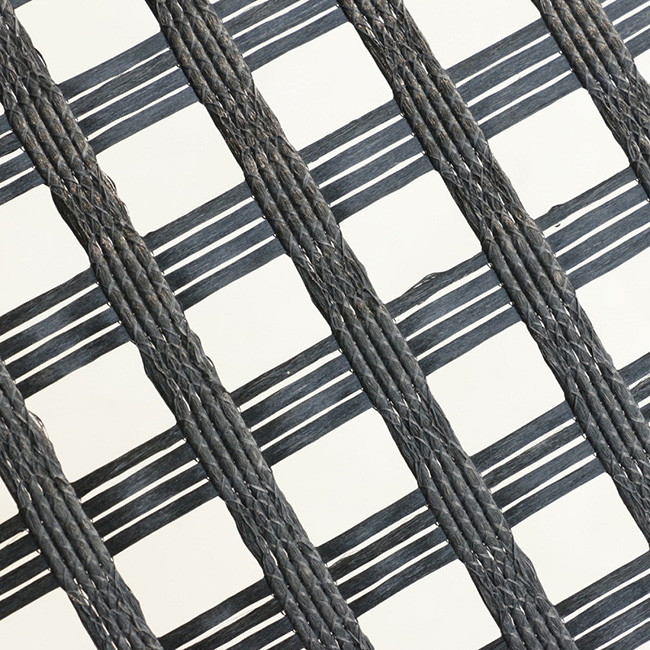
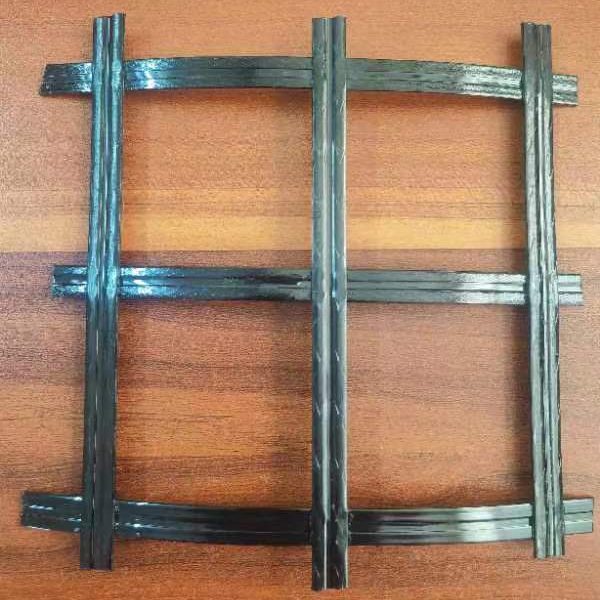
Geogrids are grid-shaped polymer products with regularly spaced apertures. They are typically made from high-density polyethylene (HDPE), polypropylene (PP), or polyester (PET), depending on the design of the product and its intended application. Their open structure allows the surrounding soil or aggregate particles to interact with the grid ribs. When properly selected and installed, this interaction creates mechanical interlock and lateral restraint, helping to distribute loads and improve the stability of reinforced soil structures.
Geotextiles, by contrast, are permeable textile materials supplied in rolls. They are generally classified as either woven or non-woven. Woven geotextiles are produced by interlacing yarns or tapes, and are often chosen for applications requiring dimensional stability and tensile strength.
Geotextiles, by contrast, are permeable textile materials supplied in rolls. They are generally classified as either woven or non-woven. Woven geotextiles are produced by interlacing yarns or tapes, and are often chosen for applications requiring dimensional stability and tensile strength. 부직포 지오텍스타일 are commonly manufactured by bonding or needle-punching fibres to create a porous structure useful for filtration, separation and drainage. Depending on their construction and properties, geotextiles can also provide reinforcement and erosion protection.

The most important distinction is functional: geogrids are generally selected when tensile reinforcement and aggregate interlock are central to the design, whereas geotextiles are frequently selected when soil separation, water passage, and particle retention are required. FHWA guidance also explains that a geogrid may not prevent fine subgrade particles from pumping into an aggregate base, meaning a separate geotextile layer may be necessary where both reinforcement and filtration are required.
How Are Geogrids and Geotextiles Used in Road Construction?
Road construction is one of the most well-established applications of geogrids and geotextiles. Road foundations often contain natural soils that vary in strength, moisture content, and drainage characteristics. When subjected to repeated traffic loading, weak subgrades can deform, causing the aggregate layers to move laterally and fine particles to migrate into the road base. These issues can result in rutting, uneven settlement, reduced pavement performance and increased maintenance costs.
Geosynthetics are installed within the pavement structure to address weaknesses in the soil and aggregate system. Their function depends on the design, but common applications include subgrade separation, base reinforcement, stabilisation, filtration and drainage.
Geogrids for Road Base Reinforcement
Geogrids are typically positioned at the interface between the subgrade and the granular base, or within the aggregate layer, to enhance the mechanical performance of the road foundation. The apertures in the geogrid allow aggregate particles to interlock with it, which limits excessive lateral movement under wheel loads. This helps the aggregate layer to maintain its structural integrity and improves load distribution across weaker ground.
On construction sites, geogrids are particularly important for access roads, haul roads, temporary working platforms, industrial yards and sections of pavement built over soft or variable subgrades. In suitable conditions, reinforcement may enable engineers to optimise aggregate thickness or improve construction access. However, proper subgrade assessment, drainage design and pavement thickness calculations are still necessary.
Geotextiles for Separation and Filtration
Geotextiles are frequently installed between fine-grained subgrade soil and the granular road base. Their separation function reduces the mixing of these materials during construction and under repeated traffic loading. This helps preserve the intended thickness and grading of the aggregate layer, rather than allowing it to become contaminated by softer underlying soil.
Filtration is another important function. A suitable geotextile allows water to pass through while retaining soil particles within specified limits. This is particularly useful where groundwater or rainfall can move through the pavement foundation. The fabric must be selected to match the soil gradation and expected hydraulic conditions; simply choosing a heavier or thicker fabric does not guarantee effective filtration.
Using Geogrids and Geotextiles Together
Some road projects require both reinforcement and separation. In such cases, a geogrid can be used to confine the aggregate, while a geotextile can be used to control the movement of fine soil particles. Depending on the product and engineering specification, the materials may be installed as separate layers or supplied as a combined geocomposite.
It is important to understand the difference between the two materials because they do not automatically perform each other’s functions. The Federal Highway Administration’s (FHWA) pavement guidance specifically notes that geogrids can help prevent aggregate from penetrating soft subgrade soil; however, they do not necessarily prevent subgrade fines from pumping upwards into the base. Therefore, a geotextile separator may be needed to address this mechanism separately.
Applications in Retaining Walls and Reinforced Soil Structures
Geogrids are widely used in mechanically stabilised earth (MSE) retaining walls and reinforced soil slopes. In these structures, layers of geogrid are placed horizontally within compacted backfill at specified vertical intervals. The geogrids then interact with the surrounding soil to provide tensile resistance, helping the soil mass behave as a more stable composite structure.
In a typical reinforced soil retaining wall, the geogrid extends from the facing into the retained fill. The length, tensile strength, spacing, connection details, and design life of the geogrid must be determined based on factors such as earth pressures, surcharge loads, groundwater conditions, soil properties, and applicable design requirements. The facing may consist of concrete panels, modular blocks, or other engineered systems. The geogrid is not merely a fabric placed behind a wall; it forms part of a designed structural system.
Geogrids are also used to construct reinforced soil slopes in situations where a conventional steep slope would be unstable or require a larger footprint. By incorporating reinforcement between compacted soil layers, engineers can increase the achievable slope angle while maintaining stability. These systems are used in highway embankments, site development, road widening, and projects where space is limited.
Geotextiles can be incorporated into retaining walls and reinforced slopes for filtration and drainage purposes. For instance, a geotextile filter can be positioned between the soil and the drainage aggregate zone to minimise the migration of fine particles while enabling water to pass through. In certain designs, high-strength geotextiles can also act as tensile reinforcement; however, their long-term deformation behaviour and interaction with the soil must be considered.
Use in Embankments and Construction Over Soft Ground
Building embankments on soft clay, peat, loose saturated soil or other weak foundation materials can be challenging. The weight of the fill can put excessive stress on the underlying ground, potentially causing settlement, lateral spreading, or failure of the bearing capacity. Geogrids and geotextiles can be incorporated into the foundation system to improve construction performance and mitigate these risks.
Geogrids are typically installed at the base of an embankment to provide tensile reinforcement and enhance load distribution. They can restrain the lateral movement of granular fill and contribute to embankment stability, particularly during staged construction. Where several reinforcement layers are required, their spacing and tensile properties should be determined through engineering analysis rather than being selected based on generic installation rules.
Geotextiles are frequently used beneath embankments as separation and filtration layers. They prevent soft foundation soil from mixing with the placed fill and maintain the drainage function of granular layers. Depending on the project, high-strength woven geotextiles may also be used for reinforcement purposes.
These applications are particularly relevant to highway approaches, railway embankments, industrial platforms, port facilities, and land development on weak ground. The Federal Highway Administration’s (FHWA) geosynthetic design guidance identifies embankments on soft soils, foundation reinforcement, and roadway applications as major areas where geosynthetics can provide engineering benefits.
Drainage and Filtration in Civil Engineering Projects
Water management is essential to the long-term performance of roads, retaining walls, foundations, slopes, and underground structures. If water accumulates behind a retaining wall or within a pavement foundation, it can increase pore-water pressure, weaken soil, transport fine particles, and accelerate deterioration. Geotextiles are commonly used in drainage systems because they can allow water to pass while limiting the movement of surrounding soil.
Subsurface and Foundation Drainage
Nonwoven geotextiles are often installed around perforated drainage pipes, within drainage trenches, or between soil and drainage aggregate. In these arrangements, the geotextile acts as a filter: water enters the drainage zone while soil particles are retained. This helps reduce the risk of drainage aggregate or pipe openings becoming clogged by migrating fines.
Typical field applications include:
- French drains and perforated pipe trenches.
- Foundation perimeter drainage systems.
- Retaining wall back-drainage layers.
- Roadside and pavement edge drains.
- Drainage blankets beneath embankments.
- Subsurface drainage around sports fields and landscaped areas.
The geotextile must be compatible with the surrounding soil and the expected water flow. Its apparent opening size, permittivity, and resistance to clogging are important selection considerations. If the openings are too large, soil may pass through; if the filtration system is poorly matched to the soil, excessive clogging may restrict water flow. FHWA’s geotechnical guidance emphasizes specifying the intended geotextile function and considering soil and performance parameters when designing subsurface drainage.
Geocomposites for Integrated Drainage
In applications where both filtration and in-plane water transport are required, engineers may specify geocomposite drainage products. These commonly combine a geotextile filter layer with a drainage core, such as a geonet or molded polymer structure. The geotextile retains soil particles, while the core provides a pathway for water to flow toward an outlet.
Such products are used behind retaining walls, beneath pavement systems, around foundations, and in other locations where conventional granular drainage layers may be difficult to install or where space is limited. The drainage capacity must be evaluated under the expected compressive load, because the core can deform and its flow capacity may change under pressure.
Erosion Control on Slopes, Riverbanks, and Coastal Areas
Soil erosion occurs when exposed soil particles are removed by rainfall, surface runoff, flowing water, or wave action. If left uncontrolled, erosion can undermine embankments, damage drainage infrastructure, expose foundations, and increase the amount of sediment entering nearby waterways.
Geotextiles are used in erosion control systems to protect soil surfaces, support filtration beneath protective materials, and retain soil while allowing water to pass through. For instance, a geotextile can be placed under riprap on a riverbank or in a drainage channel. The stone layer absorbs or dissipates the energy of flowing water, while the underlying geotextile prevents fine soil from being washed out through the gaps between the stones.
On slopes, geotextiles and related erosion-control products can be installed under vegetation, erosion-control blankets, or other surface protection systems. Their role depends on the product design: some provide temporary surface protection during the establishment of vegetation, while others serve as permanent filter or protection layers. Geogrids may also be used in engineered slope reinforcement where the design requires tensile support within the soil mass.
When it comes to riverbank protection, drainage channels, and coastal engineering, the selection process must take into account flow velocity, hydraulic conditions, soil gradation, stone size, installation stresses, and expected service life. A geotextile selected for a low-flow drainage trench should not be used automatically beneath heavy riprap or in high-energy hydraulic conditions. The Federal Highway Administration’s (FHWA) geosynthetic guidance identifies erosion control, including geotextiles beneath riprap, as an established application.
Geogrids and Geotextiles in Railways, Landfills, and Other Infrastructure
도로와 옹벽 구조물 외에도, 지오그리드와 지오텍스타일은 다양한 특수 인프라 분야에서 사용됩니다. 이들의 기능은 전반적으로 일관되지만, 설계 요구사항은 하중, 토양 상태, 수분 이동 및 환경적 제약과 같은 요인에 따라 달라집니다.
철도 건설 분야: 지오텍스타일은 노반 토양을 자갈 또는 자갈 밑층으로부터 분리하여 미세 입자에 의한 오염을 줄일 수 있습니다. 지오그리드는 선로 바닥 안정화의 특정 응용 분야에서 골재 구속력 향상 및 하중 분산 지원을 위해 사용될 수 있습니다. 설계 시 반복되는 동적 하중, 자갈 특성, 배수 및 선로 형상을 반드시 고려해야 합니다.
매립지 공학: 지오텍스타일은 매립지 배수 및 라이닝 시스템에서 필터 및 보호층으로 일반적으로 사용됩니다. 이들은 주변 재료에 의해 지오멤브레인이 찔리는 것을 방지하고, 토양이나 배수용 골재를 다른 층과 분리하는 데 도움을 줍니다. 지오그리드는 사면 및 접근로의 안정화 시스템을 포함한 일부 보강 응용 분야에서 사용될 수 있습니다. 다만, 많은 차단 시스템에서 주요 저투수성 장벽 역할을 하는 지오멤브레인과는 혼동해서는 안 됩니다.
광산 및 산업 현장: 지오그리드는 중장비용 운반 도로, 작업 플랫폼 및 접근로를 보강하는 데 사용될 수 있습니다. 지오텍스타일은 골재층 아래나 배수 시스템 주변에서 분리 및 여과 기능을 제공할 수 있습니다. 이는 대규모 부지 내 지반 조건이 다양하고 건설 교통량이 특정 지역에 집중되는 경우 특히 유용합니다.
교량 진입로: 지오헤비티드 보강재는 교량 교각과 진입로 충전체를 지지하는 보강토 시스템에 활용될 수 있습니다. 미국 연방도로청(FHWA)의 ‘지오헤비티드 보강토 교각 및 통합 교량 시스템 설계 및 시공 가이드라인’은 간격이 좁은 보강재와 다짐된 과립 충전재를 사용하는 시공 방법을 설명합니다. 또한, 도로와 교량 간의 전환부 관리를 돕기 위해 통합 진입구역 내 보강재 배치에 대한 지침도 포함하고 있습니다.
지오그리드 대 지오텍스타일: 어떤 재료를 선택해야 할까요?
지오그리드와 지오텍스타일 중 어느 것을 선택할지는 단순히 제품 카테고리나 가격이 아니라 엔지니어링 문제에서부터 시작되어야 합니다. 주요 요구 사항이 인장 보강 및 골재 상호 잠금이라면 지오그리드가 더 직접적인 선택일 수 있습니다. 프로젝트에서 토양 분리, 여과 또는 입자 이동 방지가 필요하다면 지오텍스타일이 일반적으로 더 적합합니다. 일부 프로젝트에서는 보강과 여과가 서로 다른 설계 기능이므로 두 제품 모두를 필요로 합니다.
| 프로젝트 요구 사항 | 일반적인 재료 선택 | 주요 기능 |
| 옹벽 또는 급경사 사면 보강 | 지오그리드; 일부 설계에서는 고강도 지오텍스타일 사용 | 인장 보강 및 토양 안정성 |
| 골재 도로 기반 개선 | 지오그리드 또는 보강용 지오คอม포지트 | 골재 구속 및 하중 분산 |
| 연약한 노반과 도로 골재 분리 | 직조형 또는 부직포 지오텍스타일 | 재료 혼합 방지 및 감소 |
| 배수 트렌치 내 물 여과 | 대개 부직포 지오텍스타일 | 물 통과 및 토양 입자 유지 |
| 파편석 아래 토양 보호 | 적합한 지오텍스타일 필터 | 여과 및 침식 방지 |
| 약한 토양 위 제방 보강 | 지오그리드 또는 설계된 보강용 지오텍스타일 | 인장 저항 및 안정성 |
| 지오멤브레인 보호 | 보호용 지오텍스타일 | 완충 및 찔림 방지 |
| 여과와 배수의 결합 | 지오컴포지트 | 통합 여과 및 수분 이송 |
다음의 재료 특성은 초기 선택을 안내하는 데 도움이 됩니다. 이는 일반적인 경향일 뿐이며, 프로젝트별 설계를 대체할 수 있는 것은 아닙니다.
| 기본 기하학 | 지오그리드 | 지오텍스타일 |
| 물리적 구조 | 리브와 개구부가 있는 오픈 그리드 | 직조형 또는 부직포 투과성 섬유 |
| 주요 역할 | 토양 보강 및 골재 구속 | 분리, 여과, 배수 및 보호 |
| 토양과의 상호작용 | 기계적 상호 잠금 및 인장 저항 | 입자 유지, 계면 상호작용 및 물 통과 |
| 일반적인 재료 | HDPE, PP, PET | PP, PET 및 기타 명시된 폴리머 |
| 전형적인 현장 위치 | 옹벽, 보강된 사면, 도로 기반, 제방 | 도로 노반, 배수 트렌치, 파편석 아래, 기초 |
| 주요 설계 특성 | 인장 강도, 강성, 개구부 형상, 접합부 강도, 크리프 저항 | 인장 강도, 겉보기 개구 크기, 투과율, 투수성, 찔림 저항 |
| 결합 사용 | 여과가 필요한 경우 지오텍스타일과 함께 사용되는 경우가 많습니다. | 보강이 필요한 경우 지오그리드와 함께 사용할 수 있습니다 |
설치 전 엔지니어가 고려해야 할 사항은 무엇인가요?
기술적으로 적합한 지오텍스타일이라도 잘못 선택하거나 설치하면 성능이 저하될 수 있습니다. 제품은 토질 조건, 시공 방법 및 예상 서비스 하중을 고려하여 설계되어야 합니다. 엔지니어와 시공업체는 자재가 현장에 도착하기 전에 다음 요소들을 검토해야 합니다.
- 지반 상태를 조사합니다. 토양 분류, 입경 분포, 기층 강도, 지하수위, 배수 상태 및 예상 침하를 검토합니다. 이러한 파라미터들은 프로젝트에서 보강, 분리, 여과 또는 여러 기능을 동시에 필요로 하는지를 판단하는 데 도움을 줍니다.
- 필요한 성능 특성을 정의합니다. 지오그리드의 경우 관련 특성으로는 요구 방향의 인장강도, 인장강성, 접합부 강도, 개구부 형상 및 장기 크리프 거동 등이 포함될 수 있습니다. 지오텍스타일의 경우 엔지니어들은 일반적으로 인장 및 관통 강도, 겉보기 개구 크기, 투과율 및 시공 손상에 대한 내성을 평가합니다.
- 내구성과 설계 수명을 확인합니다. 폴리머 종류, 매설 전 자외선 노출, 화학적 환경, 온도 및 장기 하중은 제품 성능에 영향을 미칠 수 있습니다. 설계 시 단기 인장강도에만 의존하기보다는 시공 손상, 크리프 및 관련 내구성 저하 요인을 반드시 고려해야 합니다.
- 시공 면을 준비합니다. 날카로운 이물질 및 부적합 재료를 제거하고, 주요 불규칙성을 보정하며, 프로젝트 사양에 따라 기층을 준비합니다. 롤은 설계에서 지정된 방향과 위치에 배치되어야 하며, 중첩부나 연결부는 설계에 명시된 대로 처리해야 합니다.
- 골재 배치 및 다짐을 관리합니다. 건설 장비가 노출된 지오텍스타일을 손상시키지 않도록 해야 합니다. 충전 배치, 이동, 적재 두께 및 다짐 절차는 제조사 지침과 프로젝트 요구사항을 준수해야 합니다. 주름, 접힘, 변위 및 불충분한 중첩은 의도된 성능을 저해할 수 있습니다.
- 작업을 검사하고 기록합니다. 제품 식별 정보, 롤 상태, 설치 위치, 중첩 치수, 연결부 및 피복 두께를 확인합니다. 사진과 검사 기록은 지오텍스타일을 피복하기 전 품질 보증을 위한 유용한 증거 자료가 됩니다.
FHWA의 지오텍스타일 설계 및 시공 가이드라인은 자재 선정, 시험, 사양서 작성 및 시공 절차를 통합적으로 고려해야 함을 강조합니다. 실제 적용에서는 이는 제품을 무게나 인장강도만으로 선택하는 것이 아니라, 설계 기능에 맞춰 선정하고 프로젝트의 해당 표준 및 사양에 따라 검증해야 함을 의미합니다.
지오그리드와 지오텍스타일에 관한 자주 묻는 질문
- 지오그리드와 지오텍스타일은 건설에서 어떤 용도로 사용되나요?
지오그리드는 주로 토양을 보강하고 골재층을 안정화하며 옹벽, 사면 및 제방의 성능을 향상시키는 데 사용됩니다. 지오텍스타일은 일반적으로 토양 분리, 여과, 배수, 침식 방지 및 일부 보강 응용 분야에 사용됩니다.
- 지오그리드와 지오텍스타일의 주요 차이점은 무엇인가요?
지오그리드는 개방형 격자 구조를 가지고 있어 토양이나 골재 입자가 리브와 서로 맞물려 인장 보강 및 구속 효과를 제공합니다. 지오텍스타일은 투과성 섬유 시트로, 토양층 분리, 입자 유지 및 물 투과와 같은 기능을 수행하도록 설계되었습니다.
- Can geogrids and geotextiles be used together?
네. 프로젝트에서 토양 보강과 분리 또는 여과가 모두 필요한 경우 두 제품을 결합하여 사용하는 경우가 많습니다. 예를 들어, 도로 기초에는 골재를 구속하는 지오그리드와 미세 기층 입자가 베이스로 유입되는 것을 방지하는 지오텍스타일을 함께 사용할 수 있습니다.
- 지오텍스타일은 도로 건설에 적합한가요?
네. 지오텍스타일은 도로 아래에 널리 사용되어 연약한 기층 토양과 과립성 기초 재료를 분리하고 오염을 줄이며 배수를 지원합니다. 적절한 원단은 토양 입경 분포, 수류, 하중 및 시공 조건에 따라 선정되어야 합니다.
- 토양 안정화에 가장 적합한 지오그리드는 무엇인가요?
적합한 지오그리드는 토양 조건, 골재 특성, 하중 및 요구되는 보강 메커니즘에 따라 달라집니다. 엔지니어들은 인장강도만으로 제품을 선택하기보다는 인장강도, 강성, 개구부 형상, 접합부 강도 및 장기 내구성을 종합적으로 평가해야 합니다.
- How long do geogrids and geotextiles last underground?
이들의 서비스 수명은 폴리머 종류, 토양 화학성, 온도, 시공 손상, 하중 및 환경 노출에 따라 달라집니다. 적절히 사양이 정해지고 설치된 지오텍스타일은 장기적인 성능을 제공할 수 있지만, 설계 수명은 프로젝트별 내구성 요구사항과 관련 감소 계수를 적용하여 평가해야 합니다.
결론
지오그리드와 지오텍스타일은 현대 토목공학에서 토양, 골재 및 물 간의 상호작용을 개선하는 데 중요한 역할을 합니다. 지오그리드는 특히 도로 기초, 옹벽, 제방 및 보강된 사면을 보강하는 데 귀중하며, 지오텍스타일은 교통, 배수 및 환경 인프라에서 필수적인 분리, 여과, 배수 및 침식 방지를 제공합니다.
하지만 가장 효과적인 해결책은 반드시 한 재료를 다른 재료보다 우위에 두는 것이 아닙니다. 많은 현장 적용에서는 각 층이 명확히 정의된 공학적 기능을 수행하도록 지오텍스타일을 조합하여 사용해야 합니다. 지반 상태, 수리적 요구사항, 기계적 특성, 시공 절차 및 장기 내구성을 평가함으로써 엔지니어들은 신뢰할 수 있는 인프라 성능을 보장하기 위해 적합한 지오그리드 또는 지오텍스타일 시스템을 선택할 수 있습니다.
